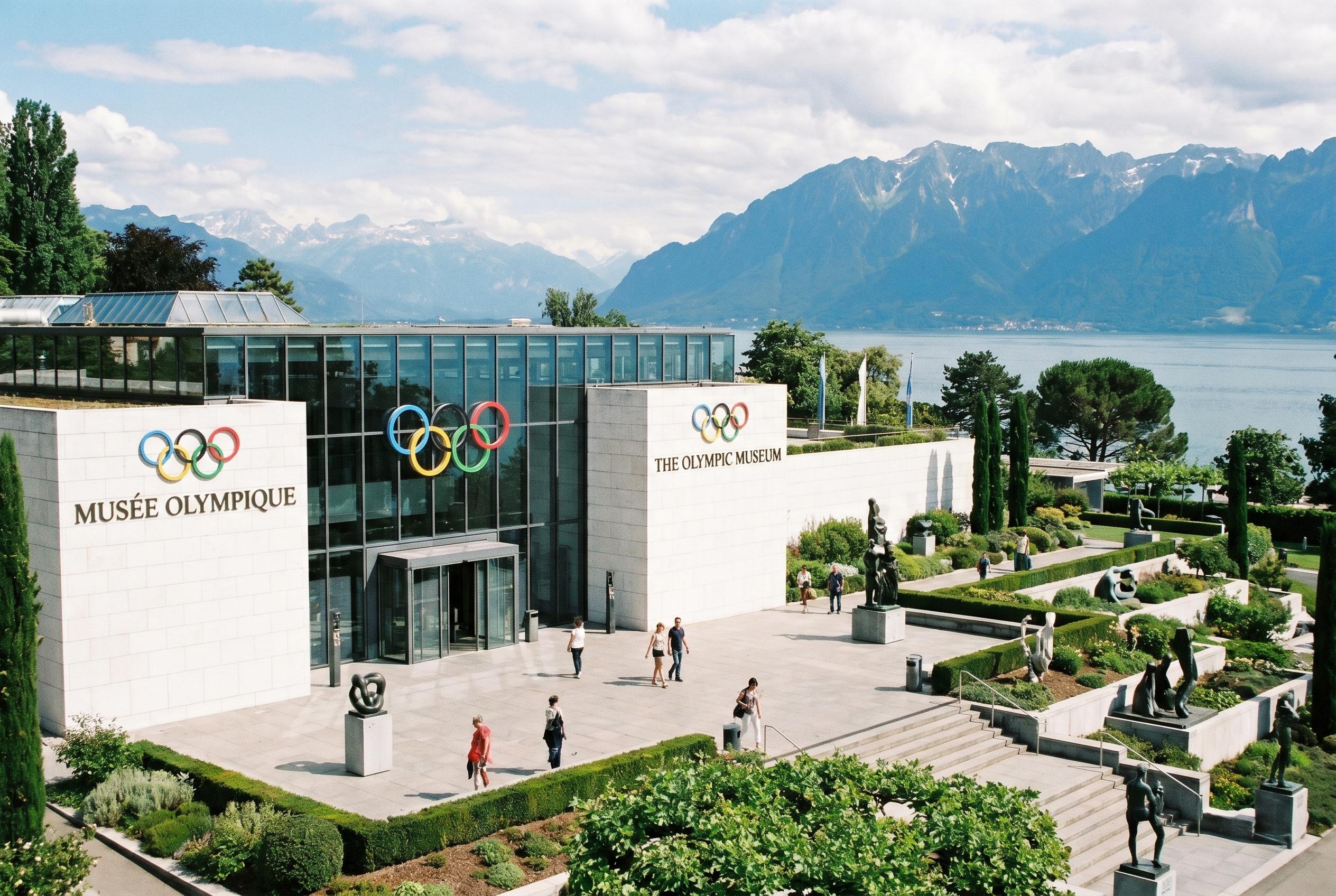
Spot a gap: visitors are noticing a lack of visible LGBTQ representation in the Olympic Museum in Lausanne, and it matters , these athletes have shaped Olympic history and a small, curated Team LGBTQ exhibition could tell a big story about visibility, courage and medal-winning excellence.
Essential Takeaways
- Historic scale: The Olympic Museum holds over 90,000 objects but only a fraction of athletes’ stories are on display, so choice matters.
- Team size and success: Researchers count roughly 915 openly LGBTQ Olympians across history, a high-medal cohort compared with overall competitors.
- Iconic objects: Items such as John Curry’s skates or Tom Daley’s rainbow shammy carry emotional and cultural weight beyond sport.
- Visibility milestones: From John Curry’s 1976 announcement to Hergie Bacyadan’s Paris 2024 appearance, objects can mark social as well as athletic progress.
- Collecting tips: Museums and donors should prioritise provenance, condition and the story each piece helps tell.
Why the Olympic Museum needs a Team LGBTQ display now
Walking through the Lausanne galleries, the absence of overt LGBTQ representation jumps out: the museum is rich with torches, medals and kits, yet queer athletes’ stories are rarely obvious in the showcases. Outsports’ visit and follow-up found scant items clearly attributed to out athletes, so a focused display would fill a genuine gap in the narrative. A thoughtful cabinet can make visitors feel seen and connect medals to lived experience.
Historically the museum curates large themes, so adding a compact Team LGBTQ case would be practical and powerful. It would be a recognisable addition for Pride moments and a quieter educative asset year-round. If you care about memory and inclusion, this is a small but symbolic change that museums can manage without reshuffling core collections.
Objects that tell more than medals , the eight essentials
Items with personal provenance spark empathy: John Curry’s skates symbolise a breakthrough in 1976 when he publicly confirmed he was gay; Tom Daley’s rainbow shammy speaks to contemporary Pride visibility; and Megan Rapinoe’s London 2012 jersey links early coming-out moments with later global activism. Choosing objects that pair athletic achievement with identity will help visitors understand how representation evolved.
When curators select pieces, consider condition, story and ability to travel for loan shows. A swimsuit, pair of goggles or signed jersey can be displayed with multimedia context , interviews, images, even audio , to make the item breathe. Museums should work with athletes, estates and collectors to authenticate and preserve each contribution.
Medal maths and why Team LGBTQ matters
Research shows roughly 915 out LGBTQ Olympians among an estimated 130,000 total competitors, which is a small slice numerically yet disproportionately successful on the podium. If Team LGBTQ were a nation, its medal haul would have placed it impressively high at recent Games. That contrast , few in number, high in impact , is itself a story worth showcasing in glass.
Presenting that statistic alongside key artefacts reframes the display from a tokens-and-plaques case into a commentary on perseverance, visibility and excellence. Visitors love a good stat and a good story; together they make exhibits memorable and shareable , exactly what museums want.
Who to include and why each item matters
An intelligently curated list reads like a roll call of social milestones: John Curry’s skates (Innsbruck 1976) for early visibility; Matthew Mitcham’s Speedos (Beijing 2008) as the first man to win gold while publicly out; Ireen Wüst’s speedskating glasses to represent longevity and success; Megan Rapinoe’s jersey to link football and activism; Helen and Kate Richardson-Walsh’s hockey sticks for the first same-sex married couple to win gold together; Gus Kenworthy’s ski mask and goggles for a moment that rewrote evening-news conversations; Hergie Bacyadan’s gloves as a historic first trans man competitor; and Tom Daley’s rainbow shammy for modern Pride on the podium.
Curators should balance sport, era and identity so the case reads across time and disciplines. That mix invites many audiences , families, school groups, researchers , to connect with different entry points.
Practicalities: loans, storytelling and preservation
Securing these items means negotiation and care. Museums must verify provenance, work with athletes or heirs, and ensure proper conservation conditions for textiles and plastics that degrade. Loans can be short-term for anniversary shows, or longer for permanent displays, with rotating elements to keep the story fresh.
Storytelling matters as much as objects. Pair items with oral histories, press clippings and interactive timelines. That creates context: visitors learn not just who wore the item, but what it meant in its moment. And for athletes, lending an item can be a way to shape how their legacy is told.
The wider cultural ripple , what a small display can do
A Team LGBTQ case at the Olympic Museum would do more than fill a gap on a visitor route; it would give younger athletes concrete role models in the nation of sport. Museums shape public memory, so representing diversity in Olympic history helps normalise those identities in mainstream narratives. Expect curiosity, social-media sharing, and new research sparks.
If the museum wants a low-cost, high-impact initiative, start with a temporary exhibition during Pride or an Olympic anniversary and expand from there. The conversation’s already started online; a display could turn clicks into real-world recognition.
It's a small change that can make every Olympic story feel more complete.
Source Reference Map
Story idea inspired by: [1]
Sources by paragraph: