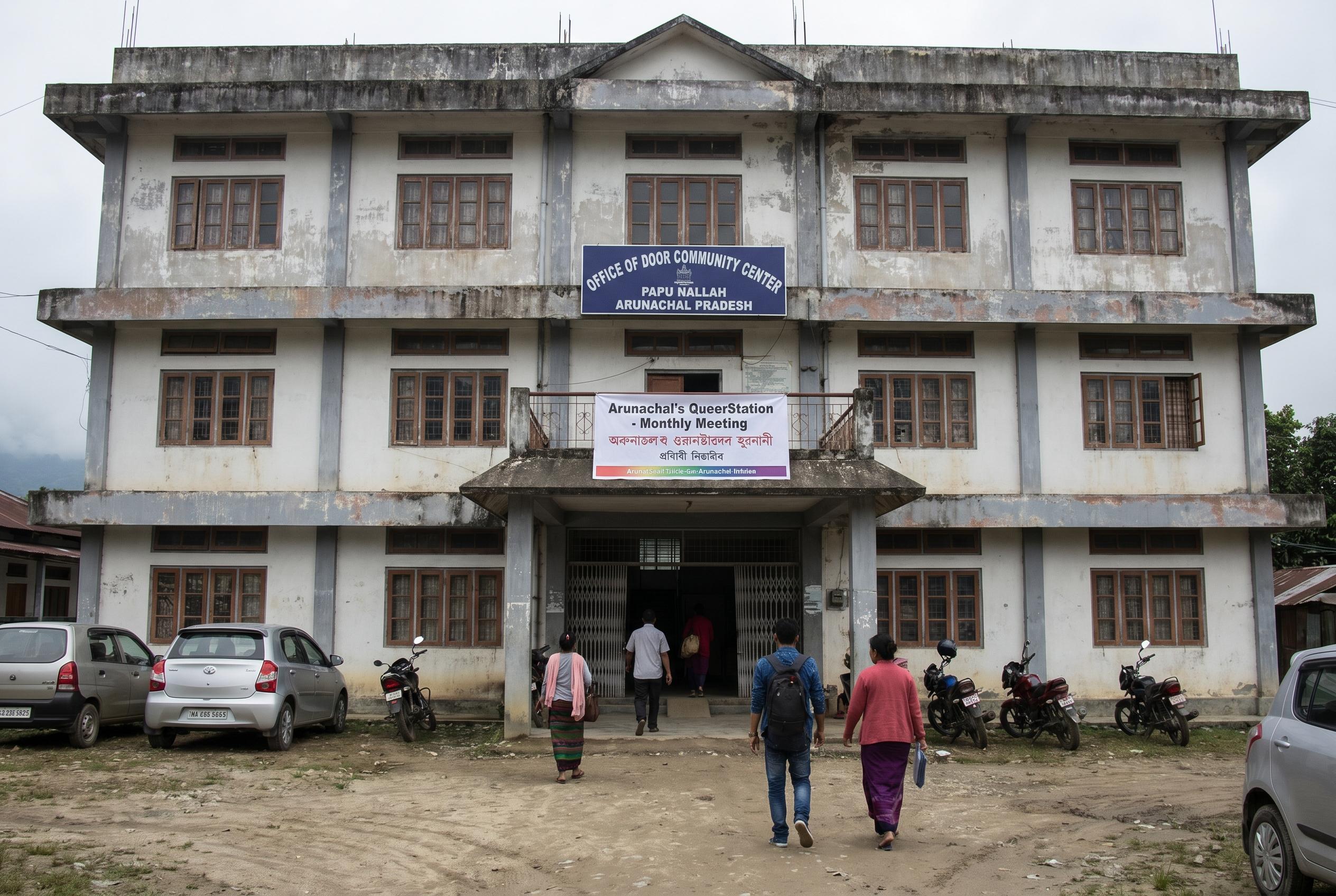
Shoppers of justice and rights are mobilising , AP QueerStation says the Transgender Persons (Amendment) Bill 2026 is already harming people in Arunachal Pradesh, prompting calls for legal action, local awareness drives and protection of regional gender identities. Here’s what happened, why it matters and what to watch next.
Essential Takeaways
- Immediate impacts: Transgender people in Arunachal report humiliation, denial of services and extra hurdles at district offices, creating fear and mistrust.
- Legal route suggested: AP QueerStation’s legal adviser urged filing petitions in high courts, mirroring other regional challenges to the bill.
- Economic burden: The amendment’s move away from self-identification would force costly medical and administrative proofs, hitting rural and low-income people hardest.
- Cultural erasure risk: The bill uses limited north-Indian categories and omits regional identities and trans men, risking invisibility for many in the Northeast.
- Privacy and safety flagged: Compulsory verification and vague language such as “alluring” could be weaponised against vulnerable people and those who support them.
What members of AP QueerStation experienced at the frontline
People who attended the meeting in Itanagar described small, sharp humiliations , being dismissed or refused services at district administrative counters. That’s the sensory detail here: the quiet, recurring indignity that piles up into exclusion. According to local organisers, these incidents aren’t hypothetical; they say they’ve already begun since the amendment surfaced. The group’s immediate aim is to document cases and build a legal and public record so individuals aren’t forced into silence.
Why the bill’s shift away from self-identification matters
Self-identification is more than a bureaucratic convenience, it’s a safeguard for dignity. AP QueerStation argues that removing it and demanding medical or administrative proof will impose travel, clinical visits and fees that many cannot manage. The practical picture is bleak: someone in a remote Arunachal village could face days of travel, repeated appointments and paperwork , an unrealistic barrier for those with little money or family support. Activists say this change will widen the gap between policy on paper and lived reality on the ground.
Legal options: petitions, courts and precedents
Legal advice at the meeting recommended pursuing high-court petitions similar to those already in play elsewhere. The group’s legal adviser laid out procedural steps and urged individuals and collectives to gather affidavits and evidence. This reflects a broader pattern: civil society groups across India have been using courts to contest provisions they view as discriminatory. For Arunachal activists, the task now is stitching local testimonies into a coherent legal challenge that highlights regional harms and constitutional rights.
Cultural blindspots: regional identities and invisibility
One striking concern is how the bill frames gender identities through a narrow cultural lens. AP QueerStation pointed out that terms like mumbar and mumbal, used locally, aren’t recognised in the amendment, and trans men aren’t mentioned at all. That omission can legally and socially erase diverse identities across the Northeast. The practical upshot is exclusion: people whose identities don’t match the bill’s categories may find no route to recognition or protection, deepening marginalisation.
Privacy, vague language and safety risks
The group raised constitutional alarm bells about Article 21 and the right to privacy. Compulsory verification regimes, they argue, compromise autonomy and dignity. Vague words such as “alluring” were singled out as dangerous because they can be misused by hostile family members or officials to justify harassment or deny support. Activists warn that such language, in practice, can turn well-meaning protections into tools of policing sex and gender.
What activists want next , and what you can do
AP QueerStation is calling for several practical steps: record and report incidents, consider high-court petitions, run sensitisation training at administrative levels, and push for recognition of local gender terms. Community leaders also want dialogues with state officials so rules are implemented with care, not coercion. If you’re a neighbour, volunteer or policymaker, the most useful moves are straightforward: listen to local voices, support legal aid efforts and back policies that preserve self-identification and privacy.
It's a small change in wording that could rearrange rights , so follow the cases, support regional voices and keep this conversation alive.
Source Reference Map
Story idea inspired by: [1]
Sources by paragraph: