Shoppers and viewers are noticing a fresh, much-needed shift: Jazz Saunders has become the first regular lesbian cast member on Made In Chelsea, bringing queer life into a famously straight Chelsea bubble and giving young women a visible roadmap for coming out and community.
Essential Takeaways
- Historic casting: Jazz Saunders is the first woman to appear as an openly lesbian main cast member on Made In Chelsea, changing a long-running show's dynamic.
- Public coming out: Her sexuality became public through press coverage before she formally came out on the series, which accelerated her personal process.
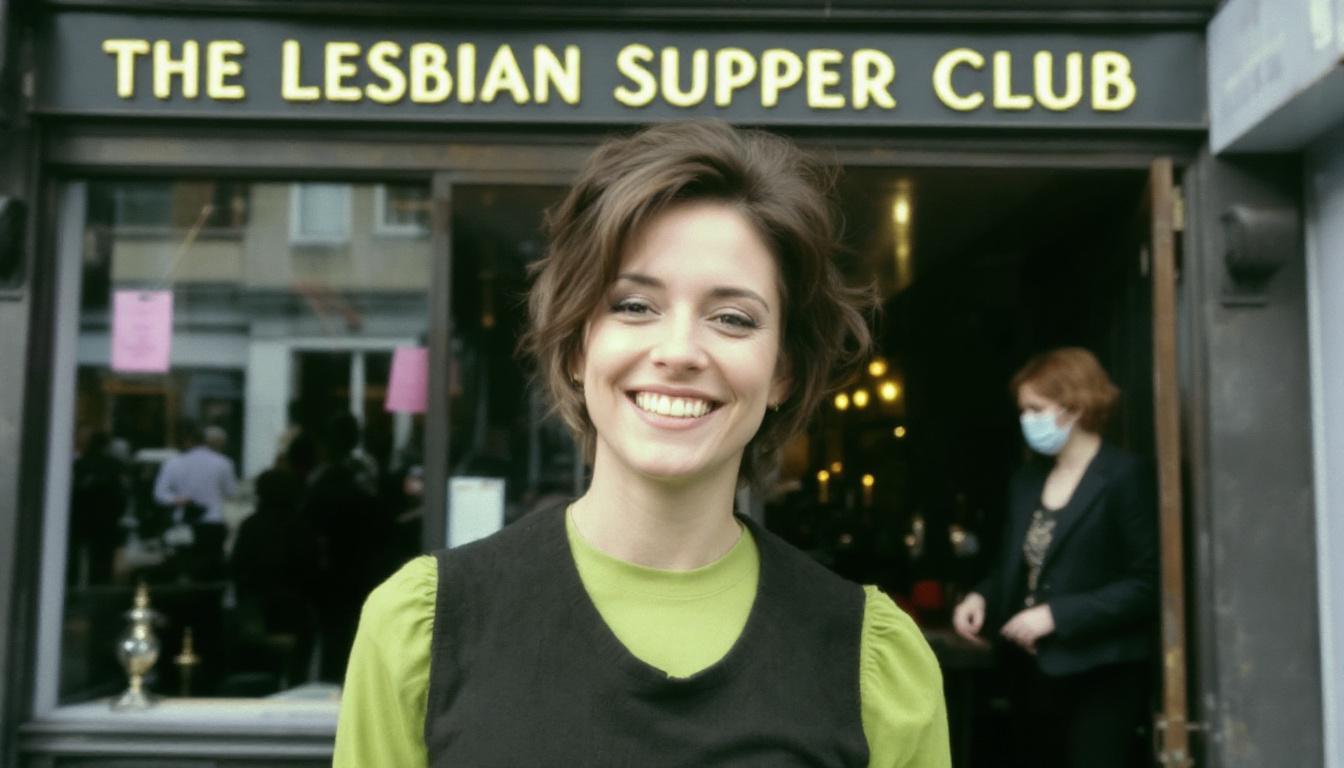
- Community boost: Jazz lists local queer networks, like the Lesbian Supper Club, as vital to her social and emotional wellbeing.
- Thoughtful production: Jazz says producers offered space rather than pressure when she chose to talk about her sexuality on camera.
- Cultural ripple: Her storyline matters for visibility, representation and the mental health of viewers who may not see themselves reflected elsewhere.
A small scene, a big change
Made In Chelsea has always felt like a postcard from a very specific corner of London , sleek cars, cafés and carefully curated friend groups , and until recently it mostly showcased straight romances. Jazz Saunders stepping into that world as an openly lesbian figure adds an unexpected, warming colour to the set. Her voice is bright and candid, and that matters because television still shapes how people imagine who belongs where.
Industry outlets reported on the casting and the relationship that brought Jazz into the headlines, which in turn pushed her towards a public coming out. That sequence , press, personal reckoning, on-screen admission , might sound messy, but Jazz has described it as liberating. For many viewers, seeing that journey play out so humanly on a primetime show is the kind of representation that lingers.
How the show handled her story , gently, apparently
Reality TV often gets a bad rap for coaxing drama out of personal moments, but insiders and Jazz herself have said producers offered options rather than pressure. She was allowed to decide whether to share her story on camera, and that kind of care makes a difference. It’s a reminder that representation is about more than casting; it’s about how producers support someone when their private life becomes public.
For anyone worrying about authenticity on screen, this is a positive signal. When shows take care, the result tends to be a storyline that feels real rather than exploitative , and that authenticity is what helps viewers connect.
Why Lesbian Visibility Week and everyday representation both matter
Jazz has talked about the boost she felt when she finally had queer friends and community around her, and she champions spaces like the Lesbian Supper Club for that reason. Visibility weeks and dedicated events are essential , they educate, normalise and give people practical ways to meet others. But when a mainstream show introduces a lesbian cast member into its regular mix, it folds queer lives into everyday narratives in a different, quieter way.
Representation on a show watched largely by straight audiences can shift understanding, chip away at stereotypes and simply make LGBT life feel less 'other'. For young viewers still figuring things out, seeing someone navigate coming out, dating and friendship on-screen can be both reassuring and instructive.
What this means for viewers and queer communities
If you’re watching, you can treat Jazz’s storyline as more than entertainment. It’s a prompt to notice who you see on screen, who’s missing, and how identity is discussed. For queer viewers, it’s validation; for allies, it’s an invitation to learn. For producers and commissioners, it’s proof that diversifying casts pays emotional and cultural dividends.
Practical tip: if you or someone you know is coming out, lean into community events and groups. They make the process less lonely, and as Jazz found, they often change your social landscape in all the right ways.
What’s next , both for Jazz and the show
Jazz seems to be thriving: making queer friends, speaking about her experience and enjoying the ripple effect her visibility creates. Made In Chelsea now carries the opportunity to explore queer relationships with nuance, not novelty. If future seasons build on that in a thoughtful way, the programme will feel less like a postcard from an exclusive bubble and more like a mirror of the city it claims to represent.
It’s a small change on screen that can make a big difference off it.
Source Reference Map
Story idea inspired by: [1]
Sources by paragraph: