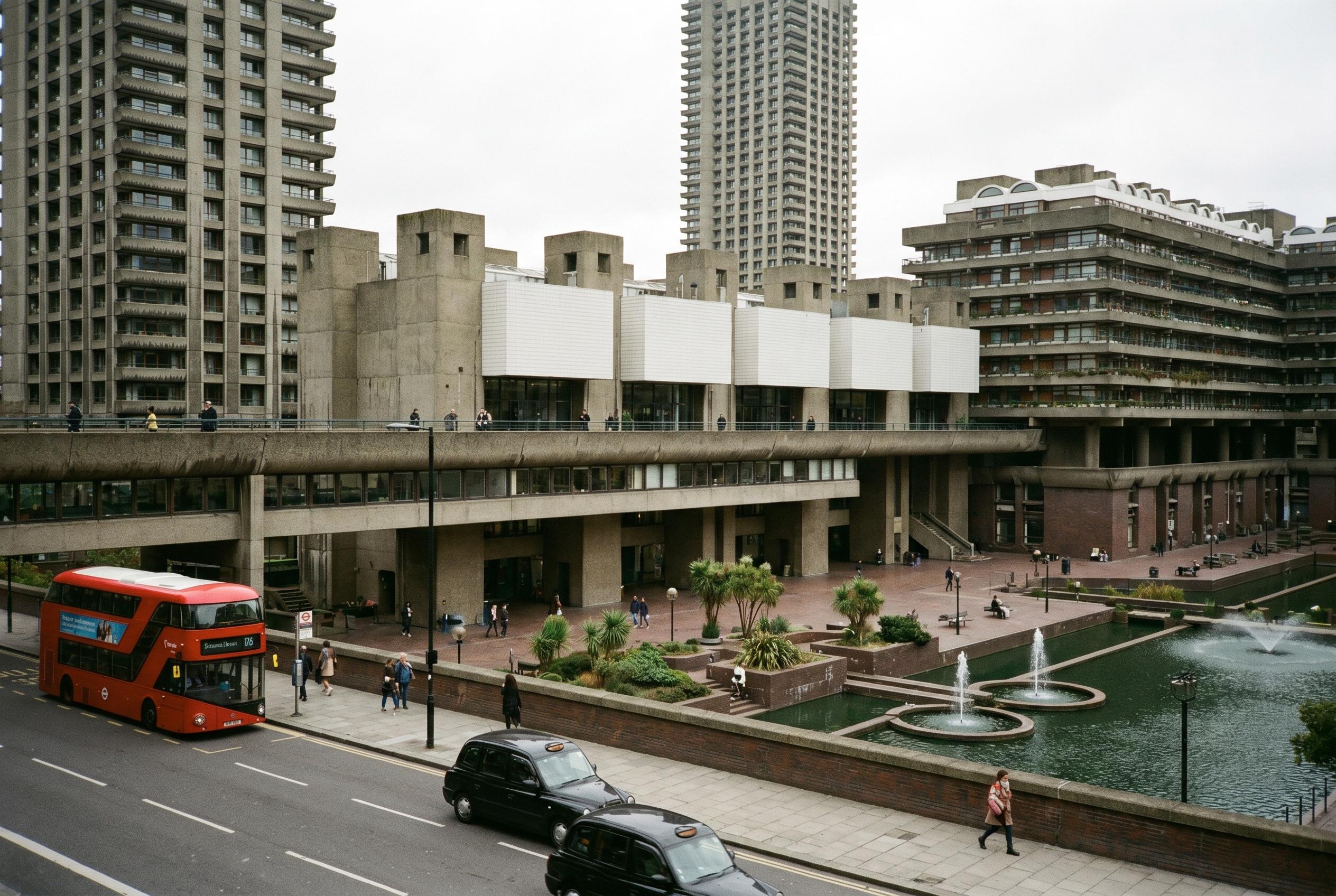
Shoppers are turning out for screenings, but audiences are coming for connection , London’s Queer East Festival returns from May 1 to June 6 with a huge programme of East and Southeast Asian queer films, restorations and live events that put cinema heritage and contemporary voices side by side.
Essential Takeaways
- Big programme: Over 130 films, including more than 90 shorts, across 14 London venues like the Barbican and BFI Southbank.
- Heritage on screen: Landmark 4K restorations and 35mm prints are central, offering rare archival footage and previously censored scenes.
- Genre variety: Everything from comedy and romance to political documentaries and punk‑scene portraits , expect diversity in tone and pace.
- Community energy: The festival mixes screenings with talks, workshops, live performance and a late‑night rave, creating a social, participatory atmosphere.
- Industry focus: An Industry Day at BFI Southbank brings filmmakers and programmers together to discuss production and exhibition challenges.
A homecoming for queer cinema heritage , why the restorations matter
The festival opens with a newly restored 4K print of The Outsiders, reintroducing censored material to a film that’s long mattered to Mandarin‑speaking queer audiences. That sensory jolt , seeing archival grain and restored colour on a big screen , is part nostalgia, part revelation. Queer East is deliberately foregrounding film heritage, booking 35mm prints and rare archival works so younger viewers can witness how queer stories were staged decades ago. If you care about film history, this year’s programme is a reminder that restorations do more than prettify images; they rewrite cultural memory.
A smorgasbord of tones , from drag comedy to hard‑hitting documentary
Expect tonal shifts across the schedule: Singapore drag comedy sits next to documentaries about adoption and punk scenes, while Thai satire and melancholy coming‑of‑age tales crop up too. That variety pushes back on the stereotype that Asian queer cinema is only arthouse seriousness. Organisers say queer cinema should be three‑dimensional , political, playful and romantic , and the line‑up proves it. For festivalgoers, that’s useful: pick a mood, pick a venue, and don’t be shy about mixing a late‑night rave ticket with a morning archival screening.
Why the festival is a growth story , from weekend showcase to major London event
What started as a small weekend idea has grown into one of the UK’s largest queer Asian film festivals, now working with key cultural institutions across London. The expansion matters because distribution and exhibition are often the bottlenecks for queer Asian films finding international audiences. The festival’s growth signals demand , especially among under‑30s , and shows that when programmers commit to diverse works, audiences will follow. If you want to support distribution, attending screenings and panel events is the most direct way.
Community, conversation and the politics of programming
Queer East frames itself as a community gathering as much as a screening series. Beyond parties, it programmes films that interrogate censorship, trans communities and queer women’s stories , intentionally broadening what counts as queer cinema. The Industry Day at BFI Southbank also lays bare the practical hurdles of funding and exhibiting queer Asian work. For viewers, that translates into a festival that’s keen on debate as well as entertainment; expect Q&As and workshops where politics and aesthetics are discussed candidly.
Practical tips for attendees , how to get the most from the festival
Book early for headline screenings at the Barbican and BFI , restorations and rare prints are audience magnets. Mix formats: try a 35mm morning screening and a contemporary feature at night to feel the breadth of cinematic language. Check the festival timetable for panels and the Industry Day if you’re a practitioner; those sessions are where connections happen. Finally, go with friends: people say the festival feels like a community, and you’ll enjoy films more when you can trade reactions afterwards.
It's a small programming shift with big cultural effects , explore the items that speak to you and bring a friend.
Source Reference Map
Story idea inspired by: [1]
Sources by paragraph: