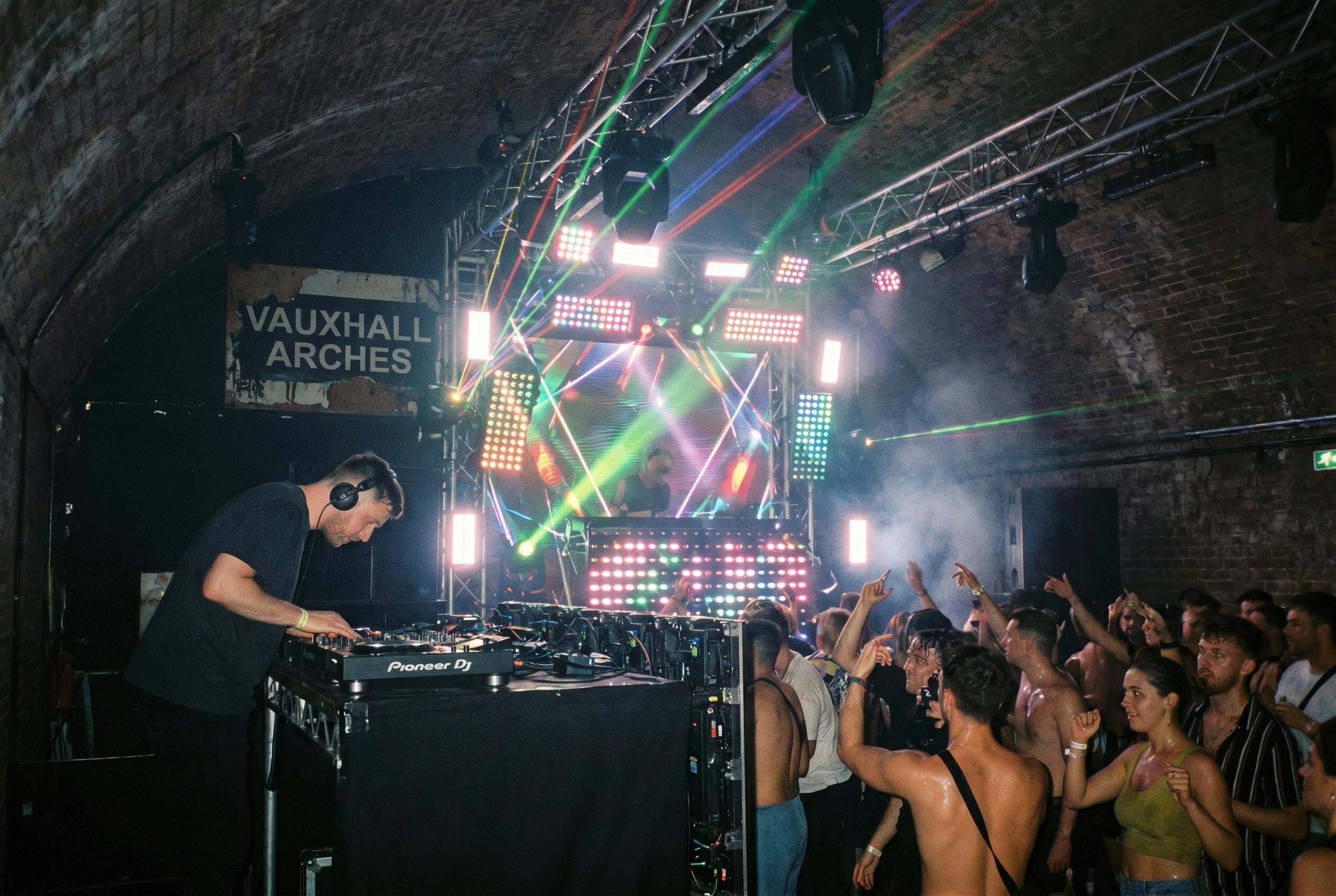
Shoppers are turning up the volume on lesbian nightlife as Lezzer Fest returns, bringing nearly 2,000 wlw together under the Vauxhall Arches to celebrate community, music and long-term party culture , and to answer a simple question: where do lesbians in the UK actually go to dance?
Essential Takeaways
- Big turnout: Nearly 2,000 attendees filled the Vauxhall Arches for Lezzer Fest, signalling strong demand for women-loving-women club spaces.
- Curated variety: Three stages offered a mix of booty bass, disco, house and pole showcases , loud, sweaty and joyful.
- Grassroots roots: The festival grew from Gal Pals and Dalston Superstore’s basement scene, prioritising community over commercial gloss.
- Cultural continuity: Established collectives like Sistermatic and Dykes on Decks shared line-ups with newer acts, creating intergenerational dancefloor energy.
A clear answer to a simple question: where do lesbians go to dance?
Lezzer Fest arrived like a physical reply to an oft-repeated online gripe , that lesbian nightlife is invisible. The Vauxhall Arches filled with music, strobes and the kind of warmth you feel in a proper queer room; it smelled faintly of takeaways and sweat, in the best possible way. Organisers Scarlett and Xandice designed the festival as a practical map for people who want a night out with other women, not just a one-off headline.
The event grew from the Gal Pals collective and the DIY ethos of Dalston Superstore, which many in the community still call “The Mothership.” That lineage matters: Lezzer Fest isn’t just a festival, it’s a curated ecosystem-building exercise. If you’ve ever struggled to find a reliable wlw night, think of this as a tasting menu , three stages, multiple collectives, and a clear sense that these parties exist year-round, not just during Pride.
From basements to arches: how grassroots nurtures nightlife
The festival’s DNA is unquestionably grassroots. Gal Pals began in a basement, and that low-fi, community-first spirit still runs through the event. That’s why the DJ booths felt less like celebrity platforms and more like stages for collectives to show what they do best. You could sense the labour behind the scenes , friends booking friends, local promoters getting a platform, and creative crews treating the dancefloor as shared property.
This model matters because it keeps scenes resilient. When mainstream venues or one-off pop-ups disappear, collectives can reassemble and keep nights alive. If you want to support the scene, go regularly, buy merch, tip DJs and follow collectives online , small gestures help keep the parties rolling.
Sounds that span generations: the line-up and what it signals
Lezzer Fest’s programming deliberately mixed generations and genres. You had booty bass and sweat-heavy sets alongside disco and house veterans; Wildblood and Queenie brought decade-long partnership energy, while Sistermatic represented an important Black lesbian sound-system lineage. That blend felt like a statement: the scene isn’t nostalgic or monolithic, it’s layered.
For anyone choosing where to go, consider sound as much as vibe. If you love pole showcases and body-positive performances, hunt out collectives doing showcases; if you prefer peak-time disco, check who’s playing the main stage. Websites and collective socials often publish recurring residencies, so you can turn a one-off festival discovery into a regular night out.
Visibility that’s lived, not just marketed
There’s a difference between being visible in ad campaigns and being visible on the dancefloor. Lezzer Fest made visibility tangible , people who know each other, first-timers finding new circles, and DJ booths crowded with friends. It’s the kind of visibility that breeds belonging, not just clickthroughs.
Organisers emphasise year-round support for nightlife, and that’s key. If you care about sustainable queer spaces, think beyond one-night attendances. Volunteer, promote, or even learn basic tech skills so collectives can keep their nights going. It’s practical, and it keeps the music playing.
Why this matters for queer nightlife’s future
Events like Lezzer Fest do more than throw a great party; they document and strengthen a network of queer women’s nightlife. By centring community, mixing established and emergent talent, and building from grassroots roots, the festival points a way forward for scenes that often get overlooked.
If you missed it, don’t treat Lezzer Fest as a once-only miracle. Follow Gal Pals and the collectives involved, and you’ll find regular nights, pop-ups and collaborations across London and beyond. Your next favourite room might already be booking its next residency.
It's a small change that can make every night out feel more like coming home.
Source Reference Map
Story idea inspired by: [1]
Sources by paragraph: