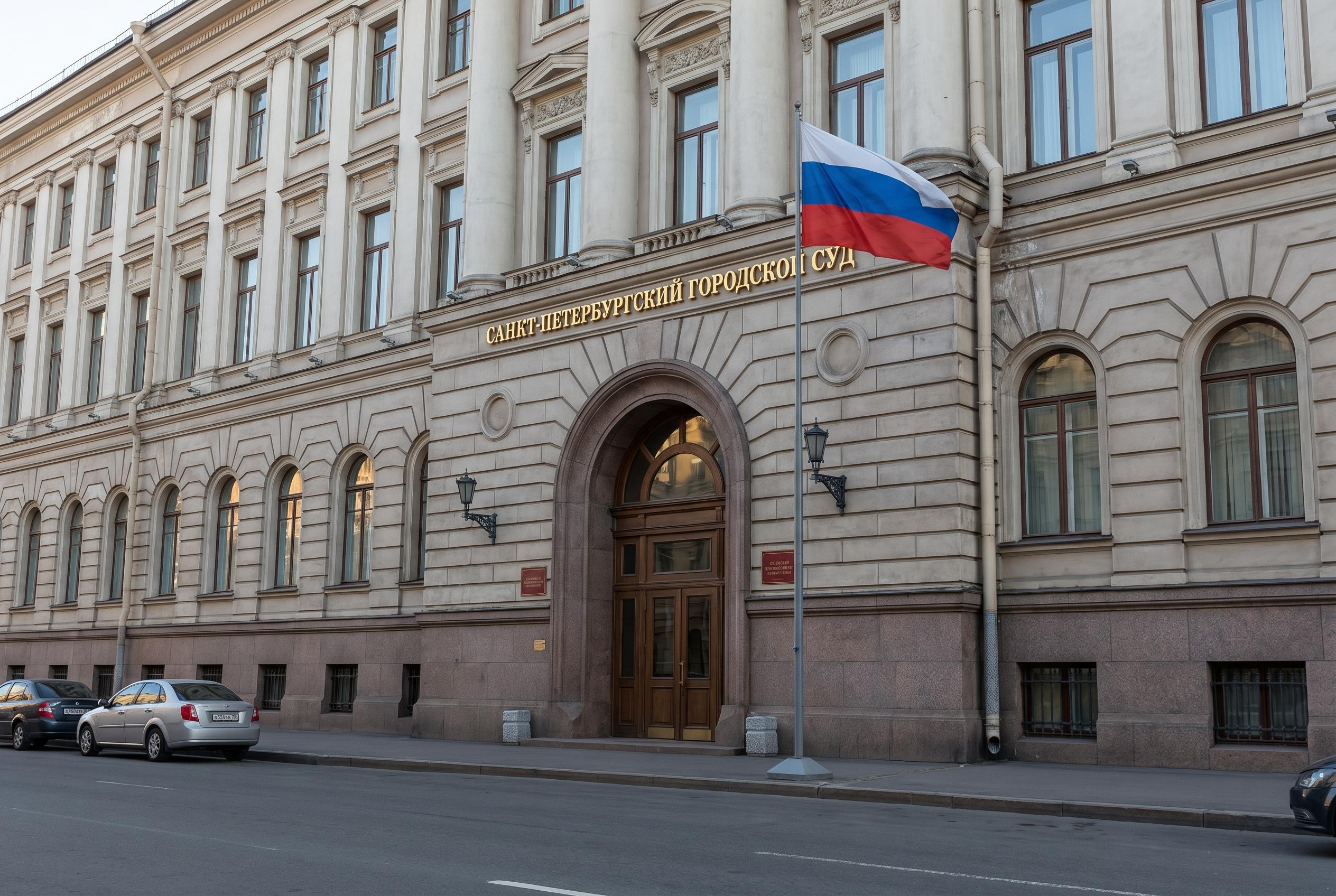
Shocking courtside action in St. Petersburg has banned a long-standing Russian LGBTQ group, escalating risks for activists and anyone who helps them; this matters because the move shrinks safe space, raises prison threats, and signals a broader state campaign against queer organising.
Essential Takeaways
- Court decision: A St. Petersburg court declared the Russian LGBT Network “extremist” and banned its activities, paving the way for criminal prosecution.
- Legal consequences: Anyone linked to the group may face charges of supporting an extremist organisation, with the possibility of multi‑year jail sentences.
- Humanitarian role: The organisation provided discrimination support, legal and psychological aid, and helped people , including from Chechnya , to find safe travel and shelter.
- Pattern of repression: This step follows earlier listings of LGBTQ groups as “foreign agents” and the Supreme Court’s 2023–24 designations that broadened anti‑LGBTQ measures.
- International alarm: Rights organisations including Amnesty and Human Rights Watch have criticised the move as part of a political effort to justify homophobia and silence dissent.
What happened in St. Petersburg and why it matters
A regional court in St. Petersburg sided with the justice ministry and designated the Russian LGBT Network as an extremist organisation, delivering a ban that wasn’t decided in open session. The atmosphere around the decision is grave , it doesn’t just shutter an NGO, it criminalises association, funding and visible support. According to reports, the ruling follows a ministry campaign to curtail LGBTQ organising across Russia.
This matters because the ban puts aid workers, volunteers and ordinary people who seek help at risk of prosecution. Legal experts warn that the tool of “extremism” can be applied broadly, turning everyday support activities into potential felonies. For anyone trying to help from abroad or inside Russia, the stakes just rose dramatically.
Who the LGBT Network was and the practical support it offered
Formed in the mid‑2000s, the group built a reputation for offering legal advice, counselling and emergency assistance to queer people facing discrimination. It also helped some people escape particularly dangerous regions, arranging tickets and temporary shelter when individuals fled threats.
Those on the receiving end describe relief and safety , quiet, practical interventions such as paying for a plane ticket or connecting someone with safe housing. With the ban, those lifelines risk disappearing, and people who once made a confidential call for help may now think twice.
The ruling in context: a wider campaign against queer organising
This step is not an isolated flare‑up. Russia has steadily tightened laws and rhetoric, including the “foreign agents” designation and the Supreme Court’s past rulings that labelled a vague “international LGBT movement” extremist and later terrorist. Governments and commentators frame these moves as defending “traditional values”, while rights groups see a deliberate strategy to suppress dissent and minority rights.
Observers say the pattern allows authorities to criminalise symbolic expression too, from rainbow flags to community events, and to pursue harsher sentences. The chill effect on public life is immediate: people self‑censor, groups disband or go underground, and international cooperation becomes riskier.
International reaction and the human rights perspective
Amnesty International, Human Rights Watch and other NGOs condemned the decision, calling it a politically motivated attempt to legitimise homophobia and silence equality advocates. Amnesty’s regional director described the approach as weaponising prejudice to attack pluralism.
Governments and foreign media have likewise flagged concern, noting the humanitarian role these groups played in helping people from hotspots such as Chechnya. The international community now faces the question of how to keep at‑risk individuals safe when the organisations that assisted them are driven out of public life.
What people in need and helpers can consider now
If you’re connected to support networks, contingency planning is essential: document‑safe communication channels, trusted contacts for relocation, and clear emergency funds. Lawyers and human‑rights organisations suggest keeping records of service activity and seeking advice on legal risks. Donors should be aware that funding channels may be blocked or criminalised and consider safer, discreet ways to help.
For the wider public, it’s worth watching whether courts elsewhere in Russia follow St. Petersburg’s example. The immediate priority is protecting vulnerable people who had relied on these services; the longer view is about preserving civic spaces where minority rights can be defended.
It's a small change with huge consequences for safety and solidarity , and a reminder that civil society can be erased with a single ruling.
Source Reference Map
Story idea inspired by: [1]
Sources by paragraph: