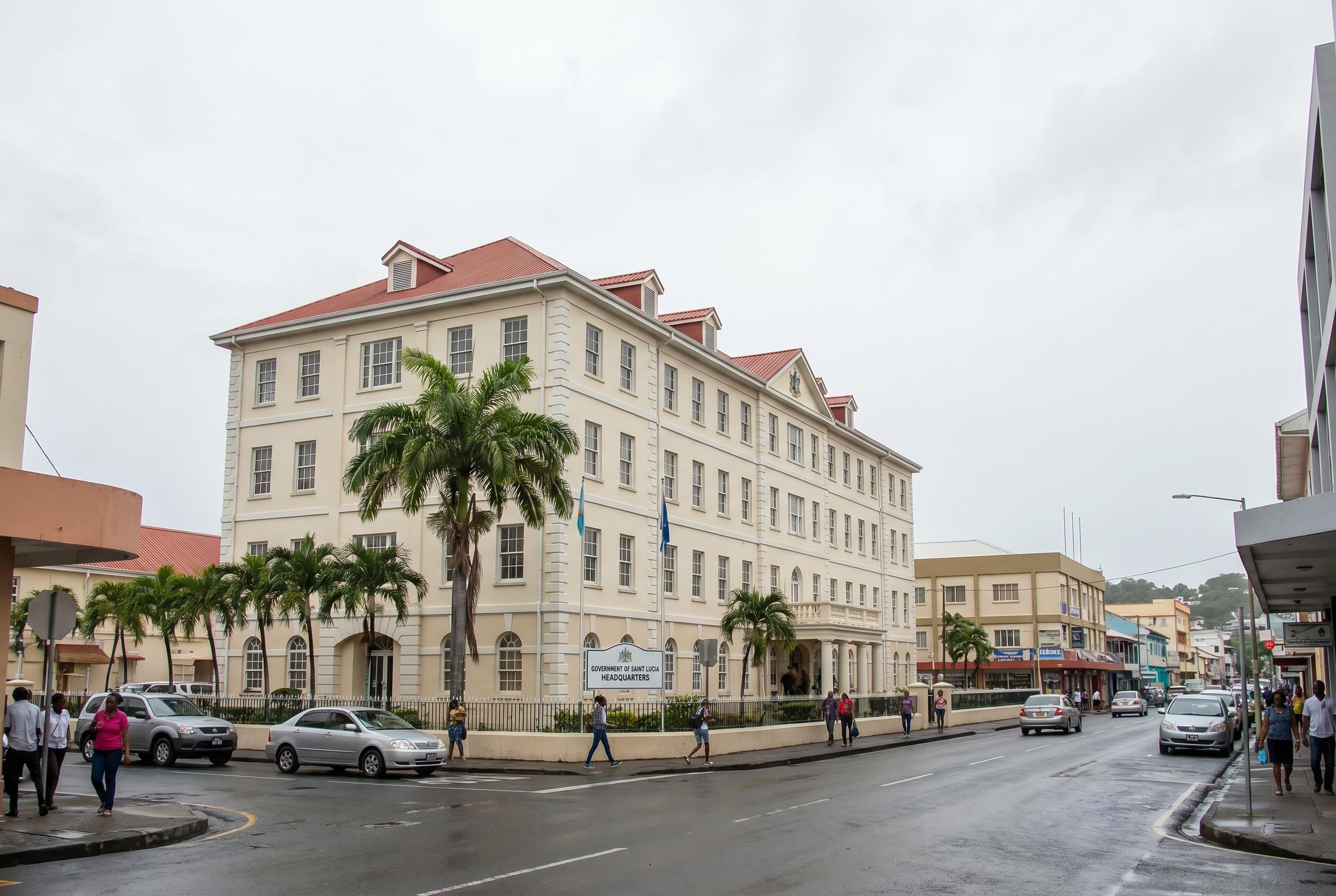
Shoppers of justice are celebrating and civil-rights watchers are cautious after a landmark court decision in St Lucia that struck down colonial-era anti-gay laws; the ruling matters across the Caribbean, where court victories are piling up but recriminalisation and political resistance keep the region’s queer future unsettled.
- Historic ruling: The Eastern Caribbean Supreme Court found St Lucia’s laws criminalising consensual same-sex relations unconstitutional, removing penalties that carried up to 10 years in prison.
- Regional momentum: St Lucia joins Antigua and Barbuda, Barbados, St Kitts and Nevis, and Dominica as recent courtroom successes for LGBTQ+ rights.
- Mixed picture: Trinidad and Tobago recriminalised same-sex acts in 2025 and Jamaica still retains colonial-era prohibitions, showing progress is uneven.
- Human impact: Advocates say decriminalisation reduces stigma and legal pretext for violence; survivors and community groups report a tangible easing of fear.
A decisive courtroom moment , what happened in St Lucia
The Eastern Caribbean Supreme Court ruled that Sections 132 and 133 of St Lucia’s Criminal Code violated privacy, liberty and non‑discrimination protections. You could almost feel the relief in activist circles , the laws had been rarely used, but they cast a long, chilling shadow over daily life. According to statements from regional groups, the decision was prompted by legal challenges mounted by ECADE and United and Strong, who argued the colonial provisions had no place in a modern constitutional order. Observers say the judgment offers a clear legal path for other jurisdictions in the Organisation of Eastern Caribbean States to follow.
Why court wins matter more than you might think
Court rulings like this do more than erase a penalty on paper; they change the conversation. Human Rights Watch and UNAIDS both welcomed the St Lucia judgement, noting it helps dismantle legal discrimination and can improve access to health and safety for queer people. The ruling also highlights how litigation has become the practical route to reform in places where politicians won’t touch the issue. For readers wondering why this matters, think of the difference between a law that’s a threat and one that’s explicitly unlawful , the former legitimises harassment, the latter strips it of legal cover.
Momentum and backsliding , the regional rollercoaster
The map of queer rights in the Caribbean reads like a rollercoaster. Belize decriminalised homosexuality back in 2016; Trinidad and Tobago decriminalised in 2018 only to recriminalise in 2025 with reduced maximum penalties; and Jamaica’s 19th‑century laws remain on the books despite pressure to act. Analysts point to a split between judicial advances and political reluctance. The pattern suggests courts are increasingly the engine of change, while parliaments are often resistant. If you want a short takeaway: progress is real but fragile, and legal victories must be defended in public life too.
What this means for LGBTQ+ people on the ground
Decriminalisation can be immediate and practical , people report feeling safer seeking medical care, reporting assaults, and living openly without the constant worry of prosecution. NGOs note a faster roll‑out of supportive services and more willingness among donors to fund programmes in countries with clearer legal protections. That said, social attitudes don’t flip overnight; community outreach, education and protections against discrimination are still needed to turn a court ruling into daily safety. If you’re supporting friends or family in the region, simple acts , connecting them with local orgs, sharing reliable legal information, or just listening , make a real difference.
Looking ahead: legal routes, political work and cultural change
The St Lucia ruling will likely be cited in future challenges across the region, and international bodies like the Inter‑American Commission on Human Rights are watching closely. Yet the recriminalisation in Trinidad and Tobago and stalemate in Jamaica remind us that legal wins can be contested or undermined by politics. Campaigners now face the twin task of locking in judicial gains through legislation and changing hearts through cultural engagement. For anyone tracking this, expect more court battles, a few headline setbacks, and slow, steady wins at community level.
It's a small change in law that can make everyday safety feel a lot bigger.
Source Reference Map
Story idea inspired by: [1]
Sources by paragraph: