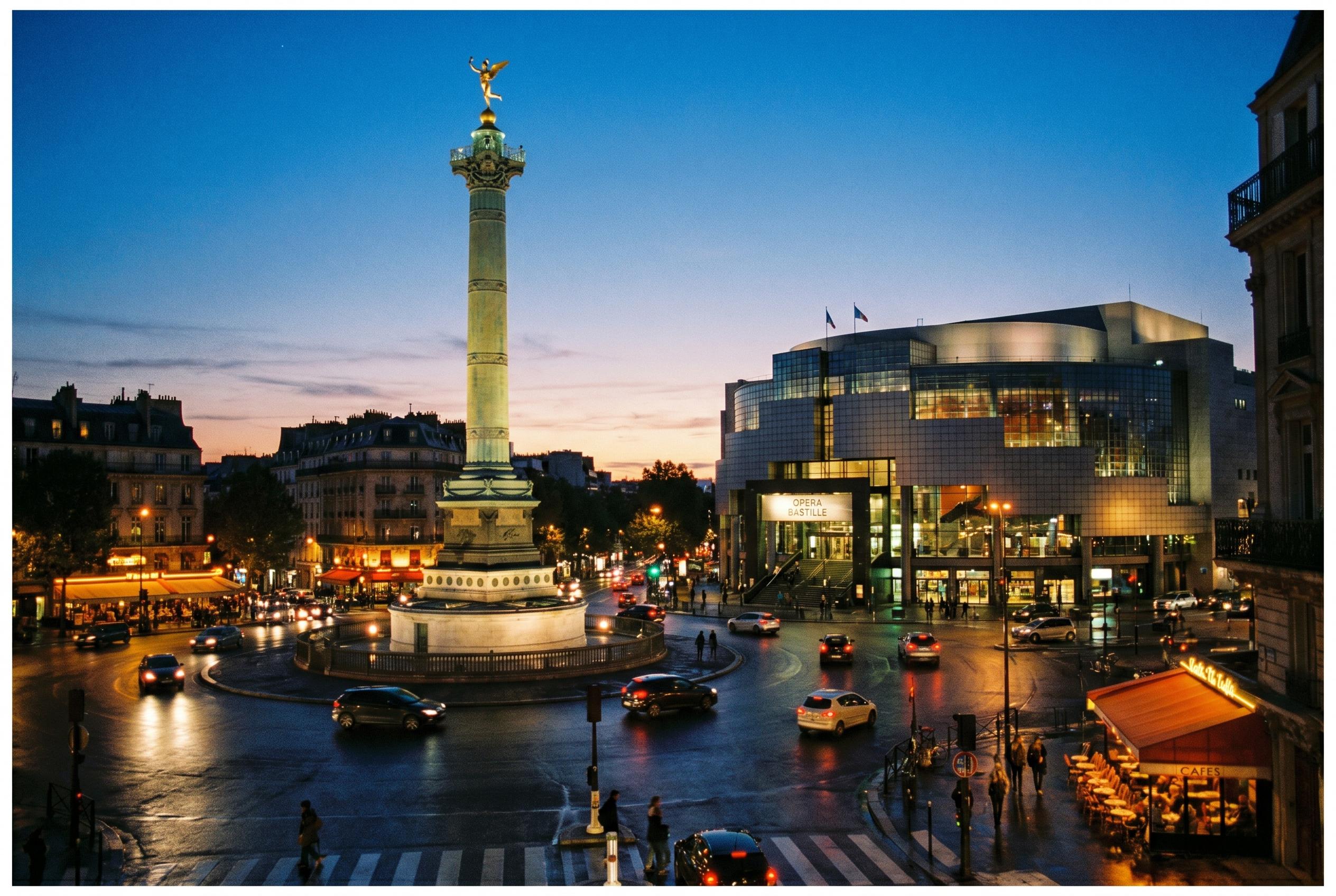
Celebrate love and pride in Paris this May , the Bal de l'Amour returns to Place de la Bastille on 15 May 2026, a free, open-air party that spotlights LGBTQIA+ culture, music and the city’s inclusive spirit. Here’s what to know, how to get there, and why it matters.
- Free and open: The event is free to attend and welcomes everyone, from families to allies, with a friendly, celebratory atmosphere.
- When and where: The Bal de l'Amour takes place on Friday 15 May 2026 from 18:00 on Place de la Bastille, under the July Column , expect a big outdoor dancefloor vibe.
- Mixed programme: Past editions mixed karaoke, cabaret, dance performances and DJ sets, so anticipate a lively, varied line-up and interactive moments.
- A civic moment: The party precedes the International Day Against Homophobia, Transphobia & Biphobia and will include the presentation of the Paris LGBTQIA+ International Prize.
- Easy access: Bastille is a major transport hub , plan to arrive by metro or bike and expect crowds; bring a light jacket as evenings can cool.
A jubilant return under the July Column
The biggest fact is simple: Paris is turning Place de la Bastille into a giant dancefloor again. The scene will be visual and loud, with lights, music and a crowd that’s there to celebrate love and equality. According to the city’s announcements, the Bal de l'Amour is back on 15 May and starts at 6pm, so you can make an evening of it or head in after work.
This festival-style feel follows three well-received editions, each growing a little bolder. Organisers have deliberately timed it the day before the global day against homophobia, transphobia and biphobia, creating a weekend of visibility and celebration. Expect the usual mix of performances and DJ sets that invite everyone to join in.
What the programme usually looks like , and what to pack
If you missed previous years, picture karaoke booths rubbing shoulders with cabaret numbers, dancers taking over small stages, and DJs curating a soundtrack that keeps people moving. Last editions offered a variety of acts so there’s something for party-goers and families alike , it’s loud, colourful and inclusive.
Practical tip: wear comfortable shoes, take a small bag with a water bottle and a light jumper for the evening. Bring a portable charger if you rely on your phone for meeting friends, and download a metro map or bookmark directions , Bastille is busy on event nights.
Why the city puts on this party
Paris started the Bal de l'Amour to mark milestones like the 10th anniversary of marriage equality and to create a public moment that mixes joy and civic engagement. The mayor’s office uses the event to give visibility to LGBTQIA+ culture and to award the Paris LGBTQIA+ International Prize, a recognition that spotlights global activism and rights work.
According to city sources, the goal is twofold: to celebrate love openly, and to remind everyone that political progress and joyful public life can go hand in hand. That means you’re invited not just to watch, but to participate.
Getting there and getting around , simple tips
Bastille is served by several metro lines and buses, making it one of the easiest large outdoor events to reach without a car. The RATP guidance encourages using public transport and arriving early to avoid the thickest crowds. Cyclists will find bike parking nearby, and walk-ins from central arrondissements are common.
Expect security checks at entry points and plan meeting spots with friends , mobile coverage can be patchy in dense crowds. If you prefer quieter views, arrive early or stay toward the edges of the square where you can still hear the set without being in the heart of the crowd.
Looking ahead: more than a party
The Bal de l'Amour is festive, but it’s also a statement , a chance for Paris to showcase cultural diversity and the work of activists and artists. Organisers hint that programming will be announced closer to the date, so keep an eye on official channels for the line-up and accessibility details.
Whether you’re there for the music, the community or the chance to dance beneath the July Column, the evening promises a warm, colourful reminder that public joy can be a political act. It’s a small change that can make every celebration feel meaningful.
Source Reference Map
Story idea inspired by: [1]
Sources by paragraph: