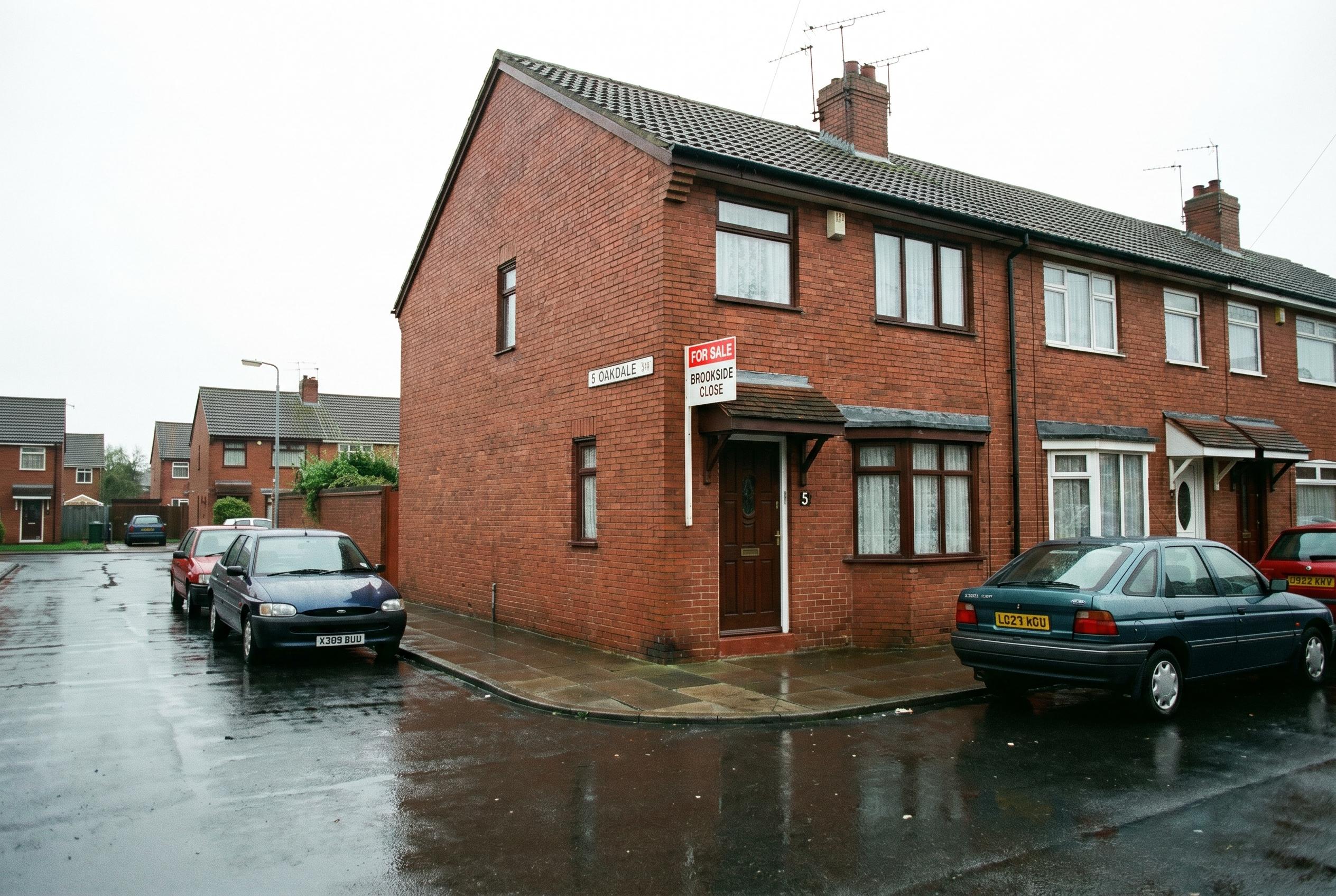
Watchers kept talking after Brookside dared a pre-watershed same-sex kiss in 1994, and the scene’s ripple effects are still felt , for viewers it offered validation, for TV it nudged the conversation about LGBTQ+ representation into the mainstream. Here’s why that brief moment still matters.
Essential Takeaways
- Historic moment: Brookside’s 1994 pre-watershed kiss reached mainstream UK TV at a time when visibility was limited and Section 28 still cast a shadow.
- Emotional impact: Fans wrote in to say the storyline helped them come out or feel seen, a reaction the actors still encounter today.
- Cultural echo: The scene has been cited in later cultural moments, including the London 2012 Olympics ceremony, underlining its symbolic role.
- Mixed legacy: Critics argue the kiss was heartfelt and important, but not a magic bullet for social change , representation is necessary but not sufficient.
- Practical point: Soap storylines can matter more than we expect; nuanced portrayal and character-led storytelling make visibility resonate.
Why that kiss felt so radical at the time
The image of two young women sharing a quiet, tender kiss before the watershed felt, for many viewers, like a small but seismic change. According to commentary in The Guardian, the moment was made more powerful by its ordinariness , it wasn’t spectacle, it was part of life. For people watching who’d seen little to no positive same-sex representation, that ordinary tenderness felt vivid and reassuring.
Back then, laws and school policies such as Section 28 still influenced public life and media choices, so the scene landed against a fraught social backdrop. That contrast is what made the reaction so intense: letters poured into the show from people who’d never felt represented before, and the actresses still get thanked for giving some viewers the courage to be themselves.
How Brookside fitted into a broader TV shift
Brookside had a reputation for testing boundaries and portraying everyday people in Liverpool, and this storyline was in keeping with that approach. Critics and writers have traced a line from those kinds of soap narratives to the slow, uneven expansion of LGBTQ+ stories on British TV. Channel 4’s willingness to show the scene pushed networks to think differently about what could be broadcast in families’ living rooms.
Still, not everyone sees it as a turning point that instantly transformed society. As later Guardian pieces reflect, a single scene can open conversations and change lives on an individual level, but cultural change takes time, consistent representation and structural shifts in policy and attitudes. In short, the kiss mattered , hugely , but it didn’t fix everything overnight.
The human stories that kept the moment alive
What sticks in people’s memories are the personal encounters: fans waiting by stage doors, heartfelt letters from viewers in isolated places, the surprise of strangers thanking the actress decades later. Those stories are a reminder that TV can be intimate, not just mass-market; a five-minute scene in a soap can alter someone’s sense of self.
The ongoing emotional connection explains why the kiss was included in public moments like the London 2012 Olympic opening ceremony , not for provocation but recognition. It became shorthand for a cultural shift many people had lived through, and for a lot of viewers, it still reads as permission to be visible.
What this says about representation today
We’ve come a long way in sheer quantity of LGBTQ+ visibility on screens, with soaps and dramas now routinely featuring complex queer characters and romances. Radio Times and other outlets chart the evolution of on-screen LGBTQ+ relationships, showing how storylines moved from rare, headline-making moments to more diverse, sustained portrayals.
But the debate over quality continues: representation that’s tokenistic or sensationalised doesn’t help the people who need positive mirrors. The Brookside example shows what works , character-driven storytelling, emotional authenticity, and everyday settings , and that’s still a useful checklist for writers and producers today.
Choosing stories that actually help
If you’re thinking about why a single soap moment matters, look at the ingredients: real characters, believable motives, and a refusal to make the relationship a mere plot device. That’s how scenes become meaningful and memorable. For viewers seeking more affirming media, pick shows where queer characters have agency and arcs that aren’t solely about trauma or coming out.
Producers can take the lesson too: if you want representation to resonate, keep it human, keep it steady and avoid spectacle for spectacle’s sake. Audiences reward authenticity; they’ve been proving that since Liverpool put those two women on screen.
It's a small change that can make every viewer feel a bit less alone.
Source Reference Map
Story idea inspired by: [1]
Sources by paragraph: