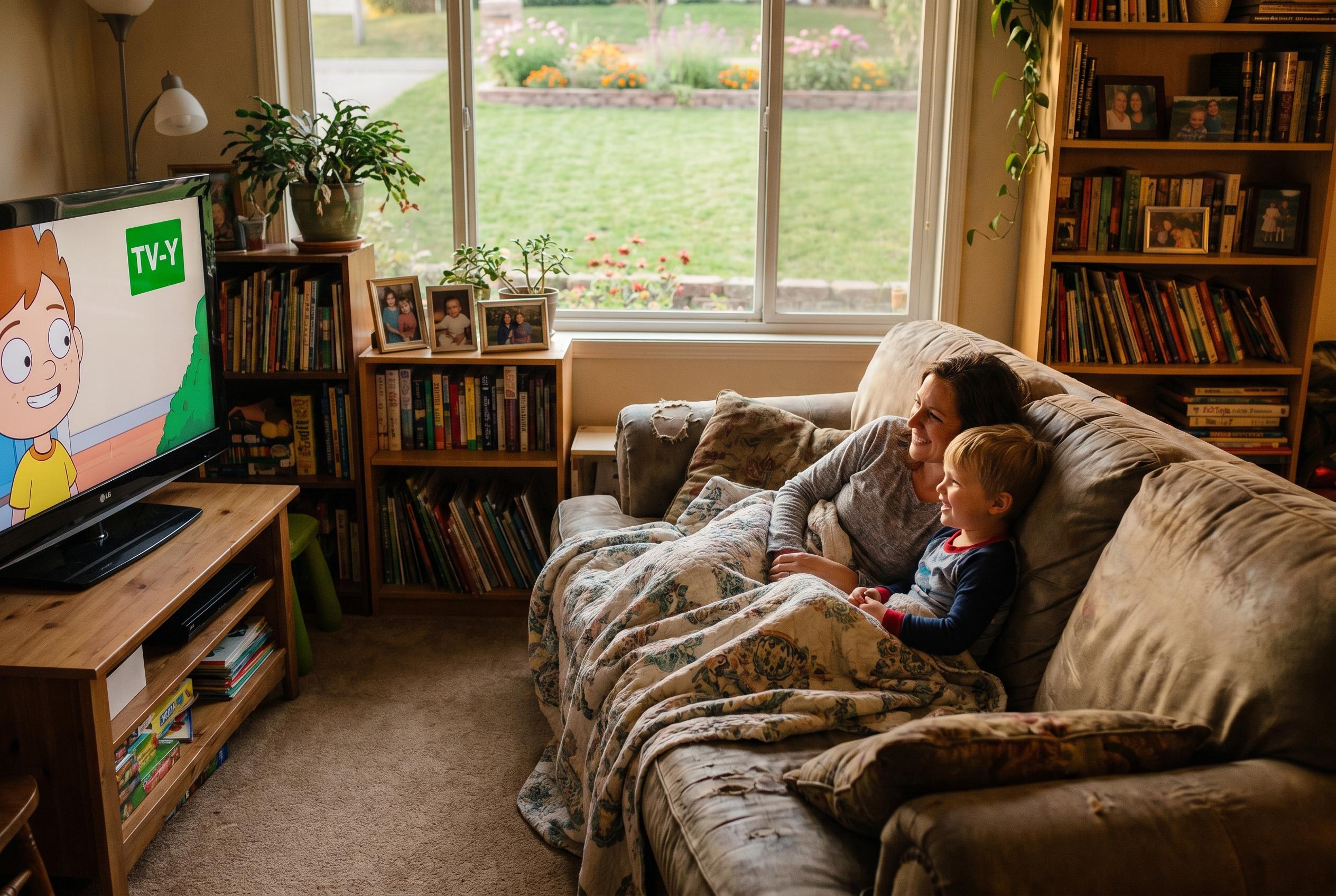
Watchers are asking questions as the FCC opens a public comment period on how children's TV ratings handle transgender and non-binary characters, a move that could reshape parental guidance, representation, and industry practices across kids' programming. Here's what to know and how parents can respond.
Essential Takeaways
- What’s happening: The FCC’s Media Bureau has asked for public comment on whether the voluntary TV ratings system properly flags programming that includes gender identity themes.
- Scale of concern: Officials point to a perceived rise in complaints, but recent reporting suggests only a very small number of relevant correspondences and few rating errors.
- Why it matters: Changes could influence how broadcasters label shows, arguably affecting visibility of trans and non-binary characters in children’s media.
- Practical tip: Parents who care about accurate ratings or representation can submit comments during the public period; check official FCC guidance for deadlines and format.
- Emotional note: For families with LGBTQ+ children, the debate isn’t abstract , representation can feel like recognition and reassurance.
What the FCC is asking , and why it landed in headlines
The Media Bureau has formally invited public feedback on whether the existing TV ratings system properly discloses content related to gender identity in shows aimed at children. The move landed squarely in the news because it touches both a touchy cultural debate and the technical mechanics of a ratings framework many parents use. Reporters say the questions imply doubts about whether current ratings give parents enough information, and that suggestion has fuelled a wider controversy about intent and impact.
The evidence so far: complaints versus headlines
Dig a little deeper and the picture looks small-scale. Industry observers note that, in recent reports, only a handful of public correspondences directly related to ratings have been recorded and just a couple of ratings were adjusted after spot checks. That gap between an alleged surge of concern and the documented record is why some commentators characterise the review as disproportionate. For parents, the takeaway is that a system shake-up may not be responding to a mass problem, but to a politically charged prompt.
What could change for parents and programmers
If the FCC pushes for refinements, the practical results would likely be tweaks to voluntary guidelines rather than a wholesale takeover of the ratings system. That might mean more granular flagging for themes such as gender identity, or invitations to additional stakeholders , religious groups or outside experts , to weigh in. Broadcast and streaming platforms would probably adapt their advisory language, but major services tend to resist heavy-handed labelling that could alienate viewers or creators.
Representation matters , for children and for culture
Beyond the procedural debate lies the human reality: children who identify as trans or non-binary exist, and many will, inevitably, see themselves in stories. Representation in kids’ media can be a quiet, everyday affirmation for those youngsters and an education for their peers. Critics of the review worry it could be used to limit visibility under the guise of parental protection. Supporters argue parents deserve clearer tools to make viewing choices. Either way, the cultural stakes are real.
How parents and viewers can respond
If you feel strongly, the simplest practical step is to file a comment with the FCC during the open period , agencies typically publish instructions and deadlines on their site. Pay attention to the wording: clear, specific examples of concerns or support for representation tend to read better than broad declarations. Meanwhile, use existing parental controls on your TV set-top box and streaming accounts for immediate handling of content decisions. Talk with your kids about what they watch , often the best filter is conversation, not just a label.
It's a small procedural moment with outsized cultural echoes, so anyone with skin in the game may want to pay attention.
Source Reference Map
Story idea inspired by: [1]
Sources by paragraph: