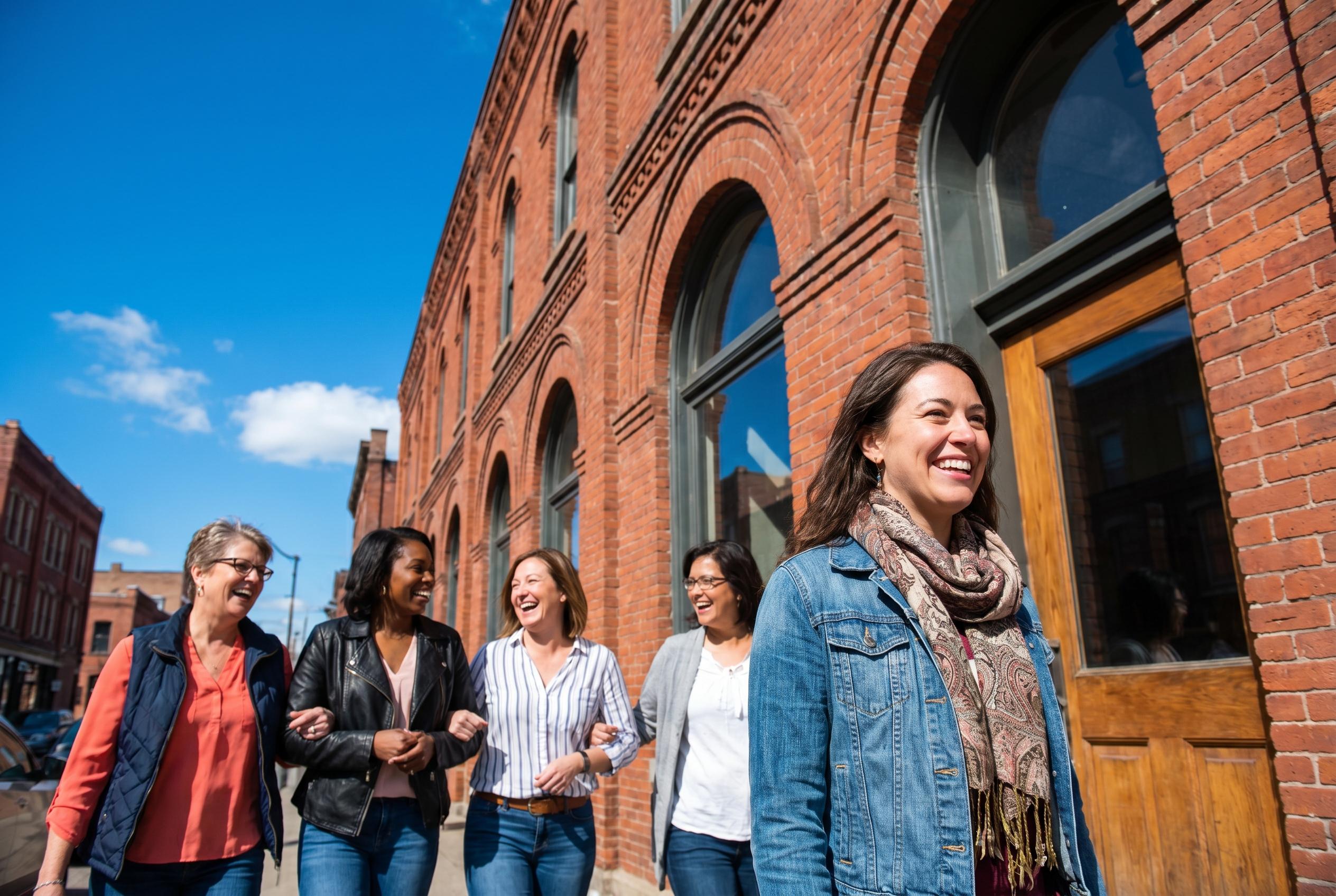
Shoppers and readers are turning to personal stories and community voices this Lesbian Visibility Week, as lesbians across the UK and beyond share what being a lesbian feels like and why visibility still matters; these pieces show joy, resilience, common struggles, and practical ways allies can help.
Essential Takeaways
- Community power: Lesbian visibility stories show belonging and solidarity, helping readers feel less alone and more understood.
- Joy and intimacy: Many accounts celebrate love, from quiet domestic moments to triumphant first dates, with a warm, realistic tone.
- Ongoing risks: Discrimination, fetishisation and mental-health impacts remain serious concerns; statistics underline the stakes.
- Simple actions matter: Visible support, listening, and safer spaces make a tangible difference for lesbians who aren’t out.
- Cultural shift: Events and coverage during Lesbian Visibility Week are prompting workplaces, civic bodies and media to pay closer attention.
Opening hook: why these personal stories land now
There’s a particular hush and then a cheer when someone finally says, “I’m a lesbian,” out loud , you can almost feel the relief. According to regional campaigns and university coverage, Lesbian Visibility Week has become a focal point for sharing those moments, mixing celebration with serious conversation about safety and rights. Readers respond to the mix of humour, tenderness and frankness because it mirrors real life: love, friendship, fear and persistence all at once.
How community narratives rebuild confidence
Many contributors describe meeting people who “just got it” and how that made them feel seen. That’s a simple but potent benefit of visibility: it replaces isolation with recognition. Organisations and city reports promoting LVW highlight community events and meet-ups that replicate that effect at scale, offering chances to make connections that change people’s lives. If you’re looking to support someone, invite them to a low-pressure event or share a trusted resource , small gestures help.
The joyful moments that make headlines sticky
From first dates in coffee shops to cheering at women’s sports, the joyful vignettes in recent LVW coverage are vivid and contagious. These slices of life work as powerful counters to the tired tropes of loneliness or tragedy often attached to lesbian stories. Cultural outlets are picking up on this trend, and employers or local councils noting LVW are being nudged to showcase positive, relatable imagery rather than tokenism. For readers, spotting those everyday wins is a good reminder that visibility isn’t only political , it’s also about ordinary happiness.
The real dangers we can’t ignore
Visibility brings warmth, but it also exposes people to risk. Coverage across news and advocacy sites points to higher rates of mental-health struggles, harassment and discrimination for lesbian and queer women. That’s why messaging during LVW often balances celebration with calls for safer public spaces, better healthcare access and anti-violence measures. If you’re an ally, amplifying safety-focused campaigns and supporting trauma-informed services are practical ways to help beyond posting an Instagram story.
Practical ways to show up beyond a hashtag
Not everyone is ready to be visible, and that’s okay , visibility should never be coerced. Do the quiet, useful things: donate to LGBTQ-focused journalism and local charities, lobby for inclusive workplace policies, and ask friends privately how you can support them. Schools, workplaces and community groups are increasingly offering LVW toolkits and events; attending or sharing these resources makes a real difference. And if someone confides in you, listen without making it about you , that trust is precious.
Closing line It’s a small change to look and listen differently this week, but for someone who’s been waiting, that attention can mean everything.
Source Reference Map
Story idea inspired by: [1]
Sources by paragraph: