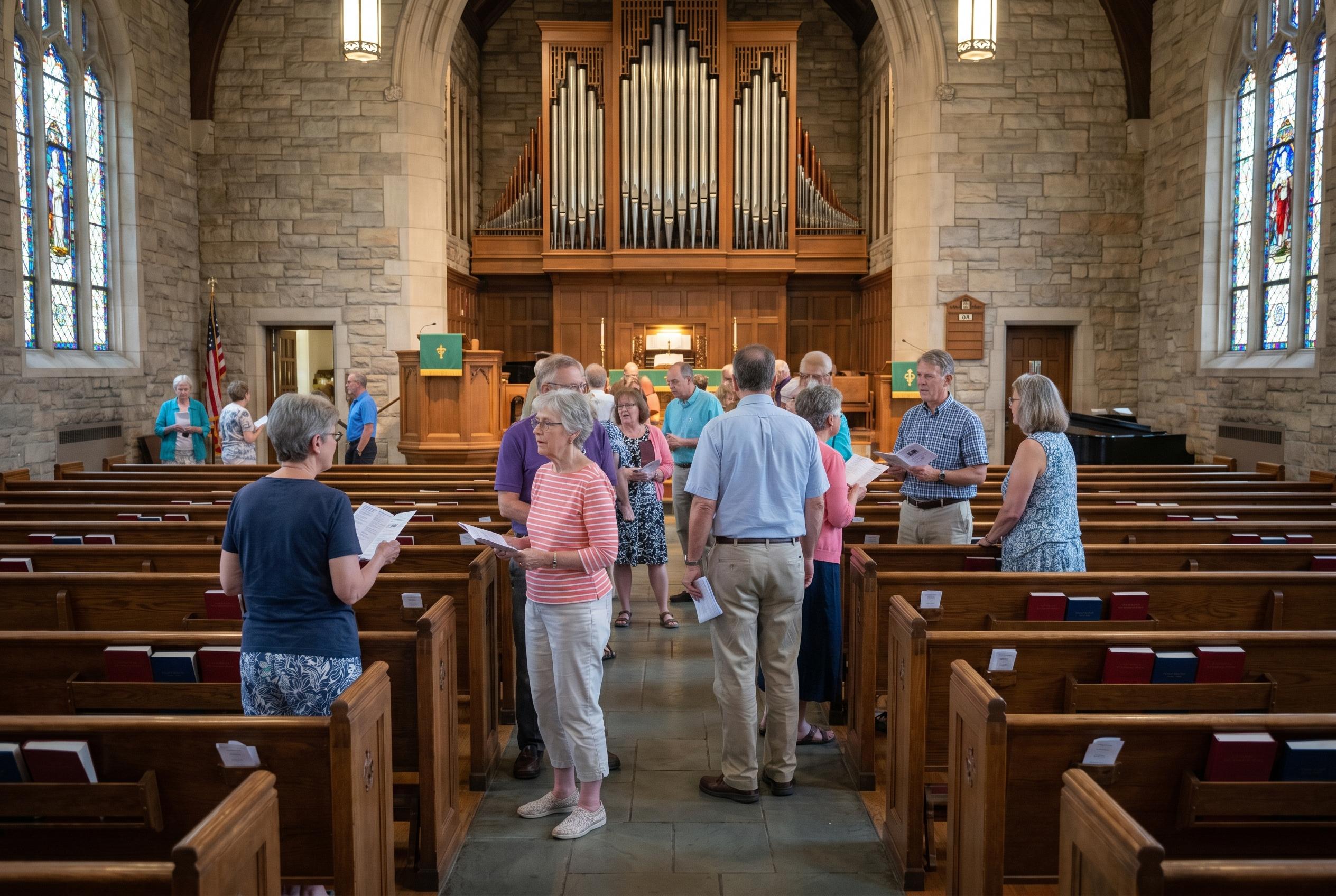
Shoppers are turning to faith communities that actively welcome trans people , and congregations are responding with practical, pastoral and policy changes that make worship safer, more inclusive and more human. Here’s what churches are doing, why it matters, and simple steps any parish can take now.
Essential Takeaways
- Concrete welcome: Some congregations offer single-stall, all-gender toilets and clear policies so trans people don’t have to explain themselves.
- Pastoral support: Churches are hosting paperwork clinics, legal aid nights and health or therapist panels to meet real needs.
- Liturgical inclusion: Use of inclusive language and permission for trans members to serve fully creates belonging and dignity.
- Practical training: Trans 101 workshops and small-group conversations help reduce fear and build confidence among congregations.
- Public witness: Showing up at council meetings, rallies or hearings shifts congregational care from symbol to solidarity.
Why practical changes matter , it’s more than a welcome sign
When a church offers a tangible comfort , a single-stall toilet, a listening pastor, a deacon who uses the right name , it hits a sensory, emotional chord: safety. According to clergy and advocates, that feeling of not having to constantly explain yourself is often the first thing trans people notice. The current political climate, with laws and administrative moves affecting gender markers and access to care, makes those small, everyday reassurances even more urgent. For many congregants, the point of faith is to belong; for trans people, practical adjustments let that belonging translate into real life.
How congregations are turning policy into practice
Denominations increasingly adopt affirming language at national assemblies, and local churches are translating that into action. Some have amended anti-discrimination clauses, others run Transgender Day of Remembrance services or host visibility events. But the national to local pipeline isn’t automatic. Pastors and lay leaders say the real work is figuring out what to do in their buildings and programmes: who can serve on session, how to handle Advent candle duties, and whether a trans person can be a visible leader. These are the messy, practical questions that affirming theology only becomes real when answered.
Workshops, panels and paperwork parties , simple, effective steps
Education is low cost and high impact. Churches are inviting clinicians and therapists to speak, running Trans 101 sessions, and organising legal paperwork parties where notaries and attorneys help with IDs and passports. These events meet immediate needs and build trust. Ministers report more requests for workshops this last year, and congregations that simply “start somewhere” often find neighbours respond with curiosity rather than hostility. If your church wants to help, begin by asking what’s needed locally and host one focused event.
Worship language and liturgy that includes , without making anyone the topic
Inclusive worship language can be subtle and profound. Some communities tweak prayers and announcements so gendered assumptions don’t dominate services. The effect is quiet: trans and non-binary people can participate without being made the subject of every sermon. Churches like Southminster have also tested practical arrangements such as mixed bathroom options and shared leadership roles. The result is a worship culture where people can serve, lead and grieve just like anyone else.
For leaders who worry about pushback , love is not a harmless label
Many congregations worry about being labelled or targeted if they become more visible in supporting LGBTQ+ people. That fear is real: vandalism and community backlash are sometimes cited. But clergy and advocates counsel movement through small acts of hospitality , offering meeting space, building a library of affirming resources, writing letters of love , and pairing those acts with public witness: testimonies at council meetings, signatures on petitions, or simply showing up for rallies. Silence, they warn, is the greater risk; visible affiliation with justice work is how congregations move from warm sentiment to shared protection.
Closing line
It’s a small set of changes that adds up to sanctuary , practical, pastoral and political acts that let trans people worship without having to explain their right to belong.
Source Reference Map
Story idea inspired by: [1]
Sources by paragraph: