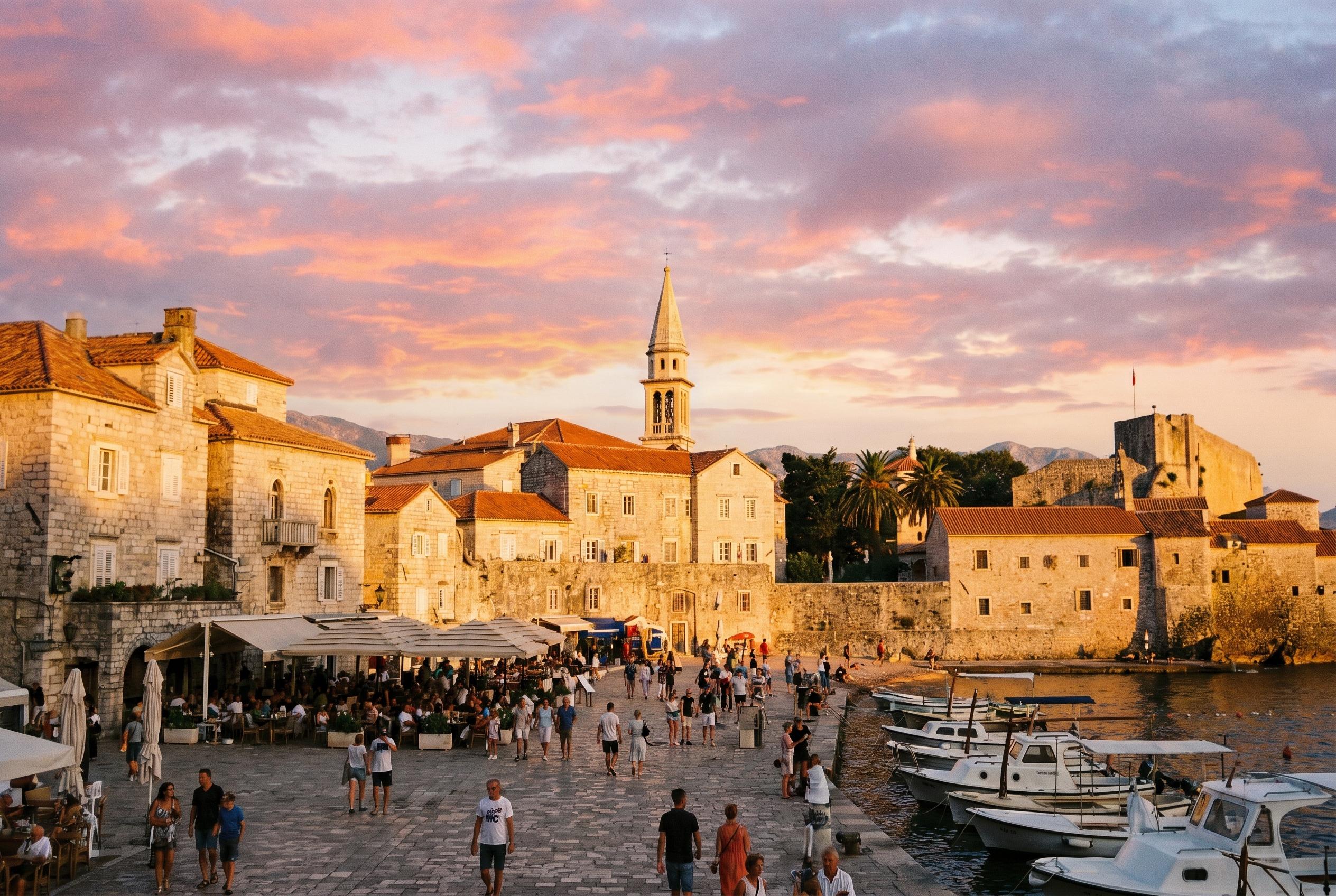
Shoppers of legal certainty are increasingly looking to Montenegro, where a life-partnership law gives same-sex couples many rights once reserved for married heterosexuals; the change matters because it removes practical cruelties , from hospital visits to inheritance , that leave partners powerless elsewhere in the Western Balkans.
Essential Takeaways
- Concrete rights now covered: Life partnerships in Montenegro include maintenance, inheritance of joint property and pensions, hospital and prison visits, and access to social protection and health insurance.
- Inheritance remains pivotal: Without recognition, same-sex partners often must rely on wills or lifelong maintenance contracts, which are costly, contestable and offer no tax breaks.
- Practical losses are common: Partners can be barred from burial decisions, bank access can be wiped out, and property co-ownership is often impossible without legal recognition.
- Regional contrast: Montenegro has led the pack in the Western Balkans while Serbia, Bosnia and Herzegovina and others still leave couples in legal limbo.
- Plan and protect: Wills, lifelong maintenance agreements and clear paperwork help, but they are imperfect substitutes for equal partnership laws.
Why Montenegro’s life-partnership law actually feels different
Montenegro’s change is tangible , not just symbolic , and you can almost feel the relief in the small details. According to government sources, couples who register a life partnership gain rights over pensions, inheritance and partner visits in hospitals and prisons, which rewrites the everyday practicalities of care and loss. That’s a big deal because, in the region, legal gaps turn private grief into public hardship.
The law didn’t happen overnight. European integration ambitions, pressure from civil society and repeated court cases nudged the debate forward, and the government’s draft was widely reported and tracked. For couples, the law converts many of the informal protections people cobbled together into enforceable rights, so fewer last-minute fights over who can see a loved one or claim a bank balance.
Inheritance is the hinge that opens or closes a life together
Inheritance is not an abstract legal point here , it shapes who pays the bills, who keeps the home, and who can grieve without a court hearing. In places without recognition, partners often must rely on wills or maintenance contracts to secure an estate. Those instruments help, but they’re vulnerable to challenge: legal heirs can contest wills and mandatory shares for blood relatives still apply.
The result is familiar and bitter. Civil society lawyers explain that even when a partner is named in a will, family members can dispute it in court, dragging surviving partners into lengthy, costly fights. That’s why Montenegro’s statutory recognition, which treats life partnerships in many respects like marriage, reduces the need for emergency legal manoeuvres after death.
Everyday life and property: small rules, big consequences
When partnerships aren’t recognised, everyday transactions become minefields. For example, buying a house together is often impossible to register for both partners, forcing one person to be the sole legal owner for years. That leaves the other person precariously dependent on goodwill rather than law.
Practical workarounds exist , joint bank accounts, co-signed mortgages, or long-term cohabitation agreements , but they don’t carry the equal presumptions that marriage brings. Tax treatment is another sting: partners can face inheritance taxes with no spousal exemptions and miss out on family-related social benefits. Those little differences add up to serious economic insecurity.
Stories that show why laws matter, not just words
Personal accounts bring the legal problems into sharp focus. One case reported in the region involved a partner excluded from funeral decisions and seeing family members empty a joint account the day after a death. Those are not hypothetical harms; they’re the lived reality for many couples who lack legal recognition.
Such stories also fuel activism. NGOs point to incidents like this when arguing for reform, and the pressure has translated into legislation in some countries. Yet across the Western Balkans the picture remains uneven: Montenegro leads, while places like Serbia and Bosnia and Herzegovina still leave many protections conditional and hard-won.
How to protect yourself now , practical tips for same-sex couples
If your country doesn’t yet recognise same-sex partnerships, there are steps you can take. Drafting a clear, legally valid will and arranging a lifelong maintenance agreement can protect property and rights, though both may be contestable. Keep joint financial records, register next of kin where possible, and consult a lawyer about estate tax implications.
And if you can, document your relationship , shared leases, bills, medical proxy forms and any correspondence that shows joint life planning. These documents help in disputes, but they don’t replace statutory equality. So while you prepare, keep an eye on political change: legal recognition is the simplest way to make everyday life secure.
It's a small change in wording that can make a huge difference to who gets to stay, claim and care when it matters most.
Source Reference Map
Story idea inspired by: [1]
Sources by paragraph: