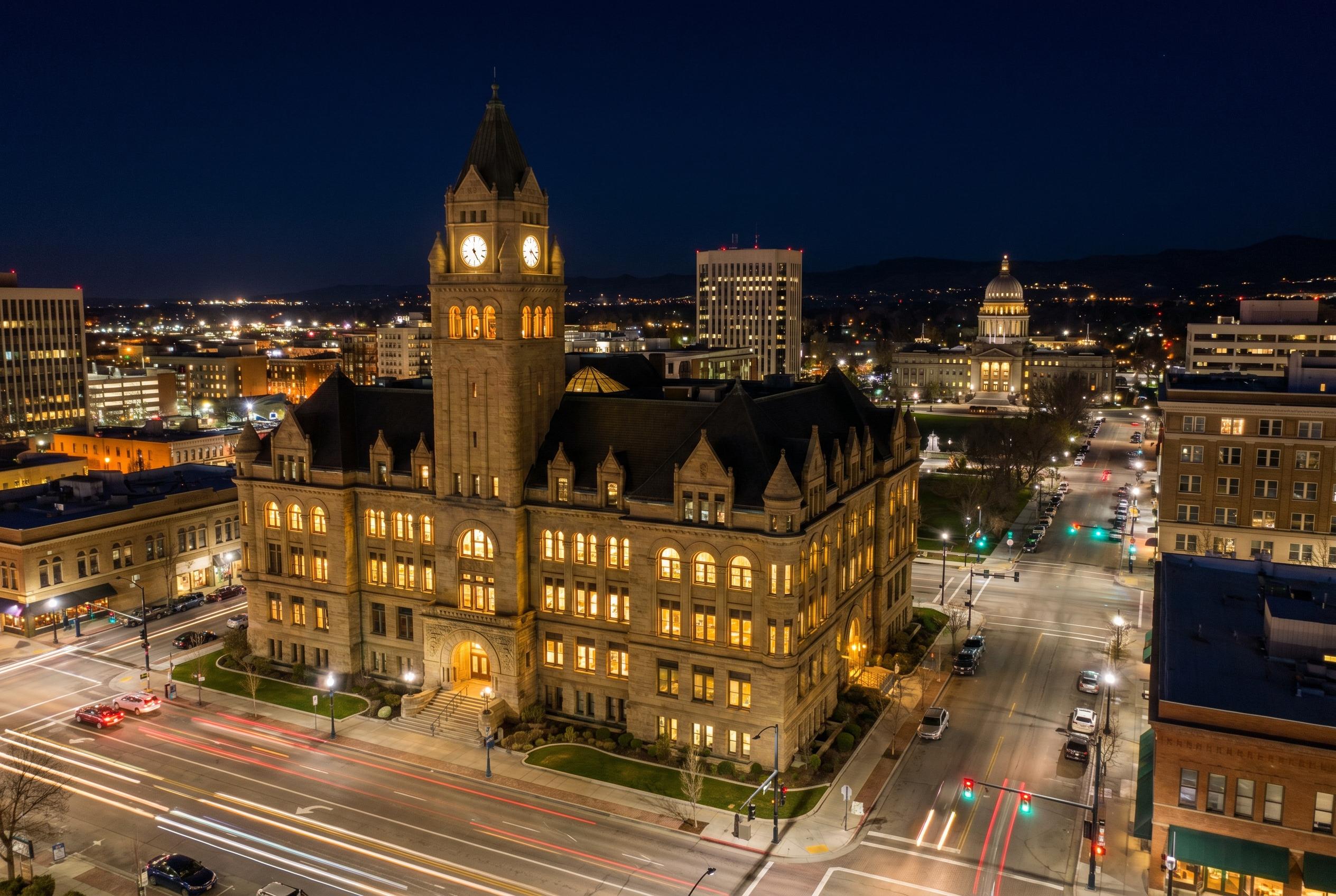
Shoppers and neighbours are taking notice , local governments and activists are finding clever ways to keep Pride visible, safe, and practical. From Boise’s rainbow resilience to Boston’s inclusive senior housing, these moves matter because they protect identity, dignity and everyday belonging.
Essential Takeaways
- Boise reaction: City officials and residents found creative workarounds after Idaho’s law restricted Pride flags, using window displays, pole wraps and coloured lighting to keep visibility high , emotional and defiant.
- Local law details: The Idaho measure carries steep fines for flags on government property, prompting municipal pushback and symbolic creativity.
- Boston project: The Pryde in Hyde Park repurposed a former school into affordable, affirming housing for LGBTQ+ seniors, blending historic features with modern amenities.
- Human impact: For many older LGBTQ+ people, the housing and public displays aren’t decoration , they’re safety, community and the chance to age with dignity.
- Practical note: Visible, subtle displays and dedicated housing projects are low-cost, high-impact ways cities preserve inclusion when laws or budgets shift.
Boise didn’t go quiet , it got inventive
When lawmakers moved to limit Pride flags on government property, the city’s response was immediate and visible: rainbow stripes wrapped round poles, Progress colours in building windows, and pink-and-blue architectural lighting. The effect was as much emotional as it was visual , neighbours reported a warm, resilient glow across civic spaces. According to Metro Weekly and Boise State Public Radio, the law imposes heavy fines, which made those subtle, non-flag expressions a clear municipal strategy. For residents, the creativity felt like a refusal to be erased; for officials, it was a low-cost way to uphold welcome and safety without breaking the new rules.
What the law actually does , and why it matters
The new Idaho statute levies significant penalties for flags on government property, creating a legal headache for city councils that want to show support. Reporting from local outlets lays out the fines and the consequent scramble. The practical lesson for other towns: you can’t always change legislation overnight, but you can change how a city communicates. Window displays, lighting and wraps are less likely to trigger fines and still send a clear message , welcome, you belong. If you’re in local government, think flexible: small installations and interior signage can offer protection without legal risk.
The Pryde: a school turned sanctuary for LGBTQ+ seniors
Across the country, Boston has been building the kind of infrastructure that is quietly revolutionary. The Pryde in Hyde Park transformed a former middle school into affordable LGBTQ+-focused senior housing, preserving features like chalkboards while adding modern comforts such as a courtyard, fitness space and even a cinema. Community reporting and Boston real-estate outlets show this wasn’t a flash project , it’s the result of years of work and fundraising. For people who lived through the AIDS crisis and hostile eras, this project offers something simple and huge: a place to age where identity is embraced, not hidden.
Why dedicated senior housing changes lives
For long-term survivors and elders, safe, affirming housing isn’t just practical , it’s restorative. Residents describe the relief of living among peers and staff who understand LGBTQ+ histories and needs, from medical care to social programming. The Pryde’s blend of preserved architecture and new amenities also sends a message: your past matters, your future matters. Fundraising and community donations helped make it possible, showing that local partnerships and patient development timelines can deliver long-term resilience.
Small gestures add up , lessons for other communities
Boise and Boston offer two different templates for protecting visibility and dignity. One shows how public symbolism can be preserved through design and light when laws are restrictive. The other proves that investment in bricks-and-mortar support makes ageing with dignity possible. City leaders and activists elsewhere can take practical cues: use durable, subtle displays that won’t provoke fines; prioritise community-led housing; and keep storytelling visible so people know these changes are for them. It’s the combination of the symbolic and the structural that matters most.
It’s a small change that can make every display, and every doorstep, feel a little safer.
Source Reference Map
Story idea inspired by: [1]
Sources by paragraph: