Discover how Berlin became the world’s queer capital in the 1920s, who made it happen, where the nightlife pulsed, and why that short, glittering era still matters for LGBTQ+ life today. A lively, visual tour for travellers and history lovers.
Essential Takeaways
- Pioneering hub: Berlin hosted the Institute for Sexual Science, a global centre for early LGBT research and advocacy with a progressive, scholarly feel.
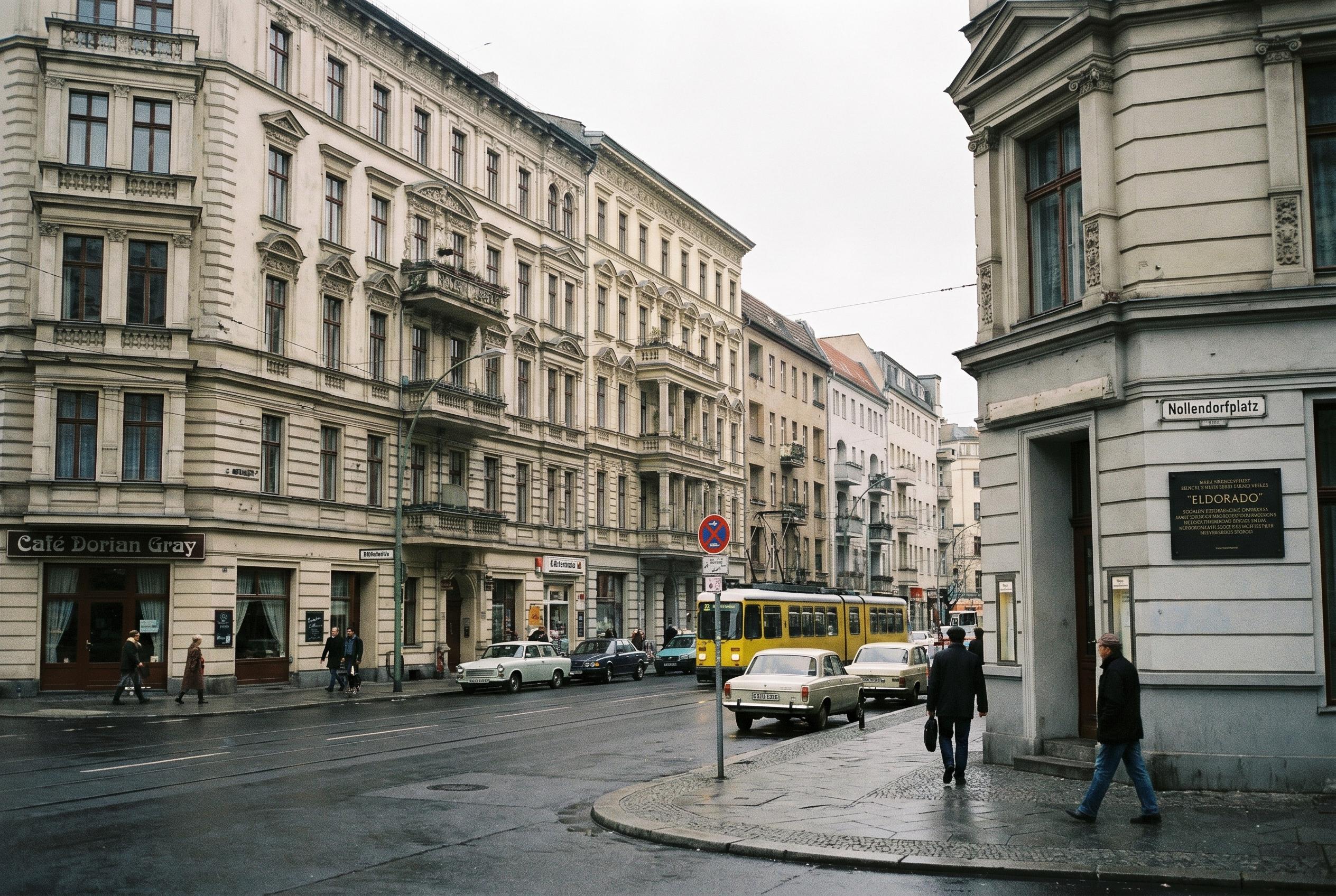
- Vivid nightlife: Jazz clubs, drag shows and cafés like Eldorado and Dorian Gray created a lively, expressive queer social scene.
- Brutal interruption: The Nazi regime destroyed institutions and archives in 1933, ending the city’s interwar queer renaissance.
- Slow recovery: Postwar and late-20th-century activism helped Berlin reclaim a leading queer-culture role; Schöneberg remains symbolic and social.
- Visit tips: Walk historic streets, see memorial plaques, and pair nightlife with museum visits for a fuller story.
How Berlin Became the Original Queer Mecca
Berlin in the 1920s felt electric, with an openness that was almost tactile , think smoky jazz rooms and street-level bustle where fashion and identity were on public display. According to Visit Berlin, the city’s cultural life exploded after the First World War, and queer communities found both refuge and visibility in that ferment. The scene mixed research, art and nightlife in ways that made queer life conspicuous and conversational.
The city’s tolerance wasn’t accidental; it grew from a peculiar postwar liberalism and a municipal willingness to host avant-garde culture. That created a unique pocket in Europe where gender and sexuality were actively debated and performed, not just hidden. For anyone curious about how urban culture can shape social change, Berlin’s 1920s is the textbook case.
Magnus Hirschfeld and the Institute for Sexual Science: Science with a Heart
One of the era’s clearest lights was Magnus Hirschfeld, whose Institute for Sexual Science combined rigorous study with activist aims. Encyclopaedia Britannica describes the institute as a research and advocacy hub that studied sexual orientation and gender and provided medical and legal support. It felt part clinic, part salon , people came for help, debate and community.
Hirschfeld’s work went beyond clinical notes; it argued that legal repression was both unjust and unscientific. That framing helped push early conversations about rights and dignity. If you visit Berlin today, plaques and markers point to where those ideas were argued, giving a physical dimension to what might otherwise be abstract history.
Nightlife That Looked Like a Party , and a Protest
Nightclubs and cafés were the public face of Berlin’s queer life. Places like Eldorado and the famed cafés in Schöneberg offered drag, costume balls and late-night music, where the energy was equal parts defiance and delight. Visit Berlin and event pages about Eldorado capture that intoxicating mix of performance and belonging.
These venues weren’t just entertainment; they were informal organising spaces where people exchanged ideas and created networks. For travellers, understanding that the party was political helps when you stroll Schöneberg’s streets , you’re not just on a nightlife crawl, you’re following footsteps of resistance and creativity.
The Nazi Crackdown and Cultural Loss
The 1933 raids and the burning of books marked a brutal break. Historical accounts note that Hirschfeld’s institute was sacked and archives destroyed, a loss that erased research and ruined lives. That moment shows how fragile cultural advances can be when met with authoritarian violence.
The aftermath was painful and long-lasting, but it also frames the later recovery. Knowing that there was once a thriving intellectual and social infrastructure before the repression makes Berlin’s postwar queer revival feel all the more resilient.
From Ruin to Renaissance: How Berlin Reclaimed Pride
Berlin didn’t stay silenced forever. Postwar communities slowly rebuilt, and by the 1990s , when Paragraph 175 was finally repealed , the city had regained considerable momentum as an LGBT centre. Visit Berlin’s current gay guide highlights Schöneberg as both a living neighbourhood and a symbolic heart of queer history.
Today you can pair club nights with museum visits, memorials and guided walks that point out former sites of the institute and celebrated venues. The modern mix of techno basements and remembrance plaques is oddly fitting: the city keeps dancing while remembering why those dances mattered.
Practical Tips for Visiting the 1920s Queer Trail
If you’re planning a trip, balance nightlife with history. Start in Schöneberg to soak up café culture, look for plaques marking Hirschfeld’s institute, and check museum listings for exhibitions that contextualise the era. Guided walking tours can stitch together streets, clubs and former institute sites into a coherent route.
Bring comfortable shoes, an open mind, and time for both reflection and fun. And remember: museums close earlier than clubs, so plan your daytime history and reserve the nights for the city's celebrated queer nightlife.
It's a small change in your itinerary that makes every step through Berlin feel richer.
Source Reference Map
Story idea inspired by: [1]
Sources by paragraph: