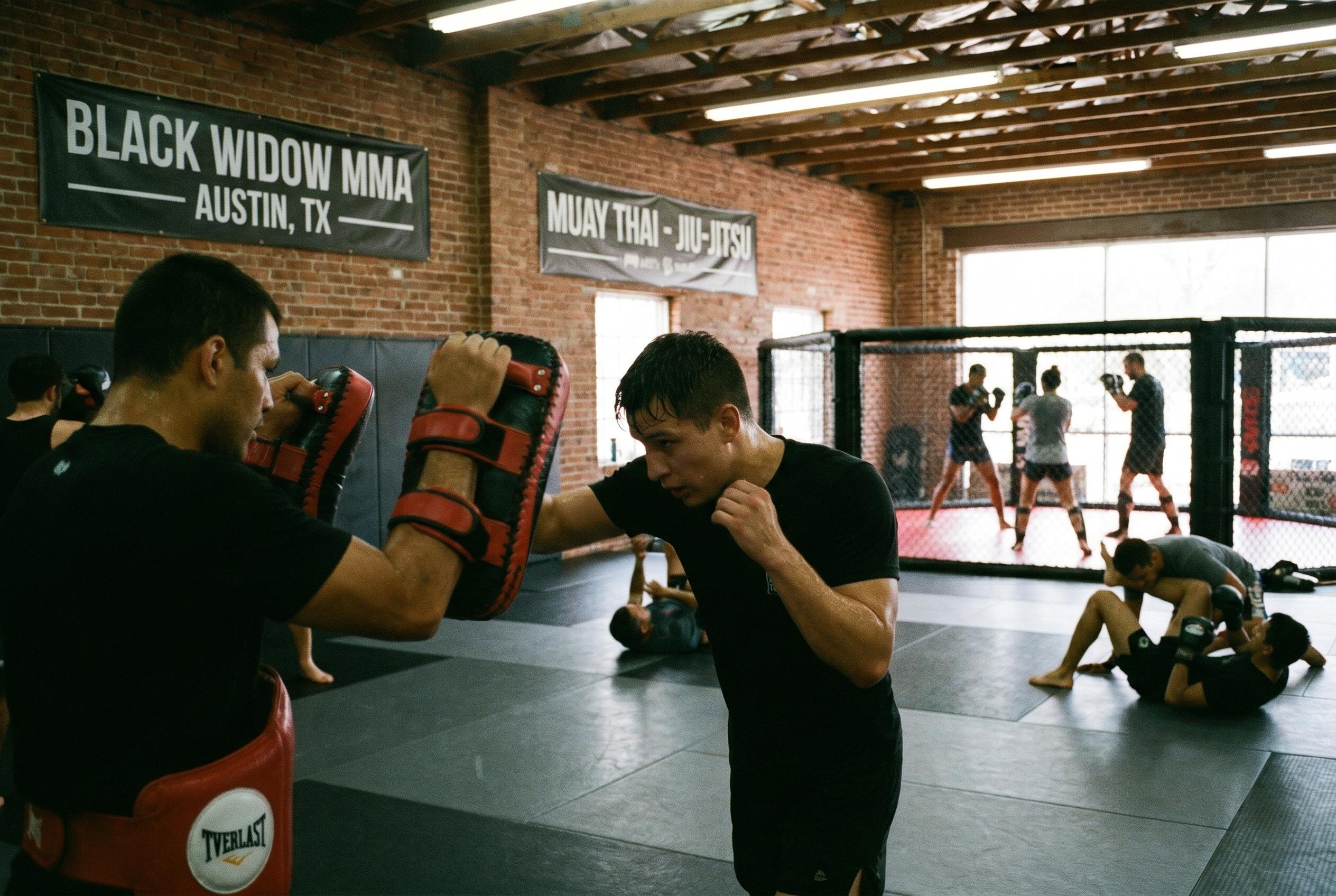
Shoppers are turning to queer-run and inclusive MMA spaces as hate crimes rise; LGBTQ Texans seeking practical self-defence and confidence are finding a handful of gyms and dojos in Austin, Houston and beyond that prioritise safety, de-escalation and community over macho competition.
Essential Takeaways
- Rising need: Hate-crime data show an increase in attacks on LGBTQ people in Texas, pushing many to look for self-defence training.
- Few options: Only a small fraction of Texas gyms are explicitly LGBTQ-friendly, but those that exist tend to be busy and community-focused.
- Community-first approach: Inclusive gyms often operate as non-profits or teach de-escalation alongside striking and grappling.
- Accessible disciplines: Brazilian Jiu-Jitsu is popular for smaller fighters and offers practical ground skills; karate and self-defence classes focus on avoidance and confidence.
- Practical feel: Students report classes that are welcoming, calm, and sturdy in technique, less about dominance, more about safety.
Why more LGBTQ Texans are signing up for MMA right now
There’s a raw, practical reason people are showing up on the mats: they feel more at risk. National and state-level reporting has documented rises in attacks targeting LGBTQ people, and that anxiety translates into wanting skills you can rely on in a crisis. Training engages the body, sharpens situational awareness and builds a kind of quiet confidence that’s hard to get elsewhere.
Gyms that advertise inclusivity are attracting people who previously avoided martial arts because of hostile locker-room vibes. For many, the smell of the mat and the reassuring click of gloves is now paired with the relief of being in a space where slurs and aggression aren’t tolerated.
What inclusive gyms do differently
Inclusive dojos tend to flip the script on the typical MMA tone. Rather than pushing a hyper-competitive ethos, they centre safety, consent and de-escalation techniques alongside punches and locks. Some operate as non-profits or community programmes, which lowers fees or funds outreach and workshops.
Sun Dragon in Austin, for example, blends traditional karate with non-physical de-escalation, useful if you want to avoid a fight as much as to win one. That softer toolkit matters; being taught to read a situation and exit safely can be as empowering as learning how to perform a takedown.
Why Brazilian Jiu-Jitsu (BJJ) is a go-to for many queer students
BJJ has a practical advantage: it teaches smaller bodies to control bigger ones using leverage and positioning, especially from the ground. That makes it a favourite for people worried about strength mismatches. Studios like Third Ward Jiu-Jitsu in Houston also emphasise creating a respectful mat culture and explicitly work with underserved communities, including LGBTQ and neurodivergent students.
If you’re choosing a class, look for instructors who intervene on disrespect, who explain techniques clearly and who run drills with partners rotating safely. Those cues tell you the floor isn’t a proving ground for dominance but a place to learn.
How to pick an LGBTQ-friendly gym near you
Start with a visit. Watch a class, notice how coaches handle mistakes and conflict, and ask about policies on language, harassment and partner choice. Smaller, nonprofit dojos often list outreach work and accommodation policies online; that’s a good sign.
Size matters: beginner-focused classes and smaller group drills let you learn without feeling exposed. Also check whether the gym offers women’s, trans, or queer-only sessions if you want a gentler entry point. Practical tip, bring a friend the first time; training together eases nerves and gives you a second set of eyes on culture fit.
The limits and the road ahead
Even with these pockets of welcome, inclusivity in combat sports is still limited across Texas. Only a sliver of the state’s thousands of gyms advertises intentional queer safety. And cultural battles play out at the pro level too, where visibility for women has improved but transphobia still crops up among stars.
Change will likely come from the grassroots, more queer coaches opening spaces, more non-profits offering low-cost classes, and networks of tournaments and workshops that model respect. The goal is straightforward: normalise spaces where marginalised people can get strong and stay safe without policing their identities.
It's a small change that can make every training session feel a bit safer and every step outside a bit less anxious.
Source Reference Map
Story idea inspired by: [1]
Sources by paragraph: