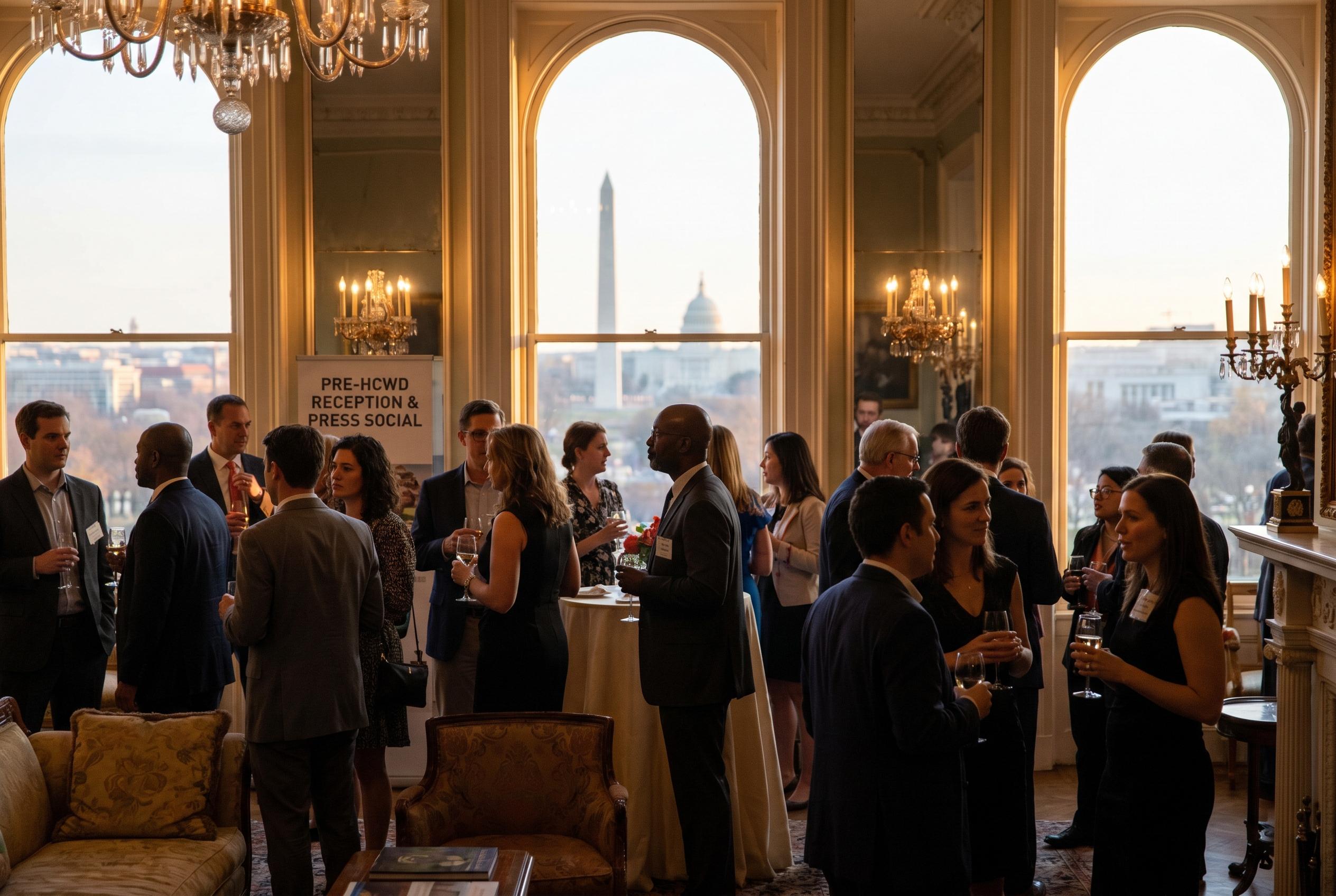
Shoppers of invitations are buzzing: Grindr is hosting a White House Correspondents’ Dinner weekend party in Georgetown, and the invite has become social currency among journalists, LGBTQ+ advocates, and Hill staffers who want to be seen and heard the night before the big dinner.
Essential Takeaways
- High-profile pull: Grindr’s invitation lists journalists, policymakers, and LGBTQ+ leaders, making the party a magnet for D.C.’s cross‑sector crowd.
- Luxury setting: The event is set at a multimillion‑dollar Georgetown mansion, promising a chic, exclusive atmosphere and late-night networking.
- Political backdrop: The party arrives as LGBTQ+ rights remain a flashpoint in federal policy, so the gathering reads as socialising with a side of advocacy.
- Timing matters: Held the night before the White House Correspondents’ Dinner, it’s positioned as the weekend’s buzziest kickoff , expect long guest lists and FOMO.
- No official comment: Grindr hasn’t publicly explained the strategy behind the event, leaving room for speculation about outreach, branding, and voter engagement.
Why a Grindr party suddenly matters in Washington
Grindr’s invite has ricocheted around D.C. because it does something simple: it mixes intimacy with access. The app’s event promises a late‑night, glossy setting where reporters, lawmakers, and LGBTQ+ organisers can unwind and swap contacts. That sense of a “must‑be‑there” moment is sensory , a room full of recognisable faces, the clink of glasses, conversations that could turn into stories or policy wins.
The move isn’t just social posturing. According to local and national coverage, the event landed on calendars fast and cut through a crowded week of receptions. In a town where access is currency, a branded party that brings together media and policymakers is a clever way to raise profile without a podium.
A political and cultural backdrop you can’t ignore
This party comes at a tense moment for LGBTQ+ rights at the federal level, so it’s inevitably read through a political lens. With recent federal actions and rollbacks affecting transgender recognition and anti‑discrimination measures, any public gathering of LGBTQ+ leaders and allies feels part celebration, part statement.
Organisers framed the evening as a toast to free press and community; attendees will likely see it as an opportunity to network and strategise. That dual purpose , social plus civic , helps explain why the invite has become hot property among advocacy staffers and sympathetic journalists.
What the guest list signals about influence and outreach
The guest list reportedly includes prominent media figures, LGBTQ+ politicians, Hill staffers and communications pros from advocacy groups, which signals two things: first, that Grindr is aiming to position itself as a mainstream stakeholder in policy and culture; and second, that the company recognises the value of face‑to‑face moments in shaping narratives.
For those trying to score a place on the list, the scene is familiar , D.C. vetting and gatekeeping. But the presence of grassroots advocates alongside national media suggests the party could foster real conversations about outreach, voter engagement and the lived experience of queer communities.
How to read brand‑sponsored parties during WHCD weekend
Brand‑sponsored events are standard during Correspondents’ Dinner weekend, but a few details matter. Location, timing, and tone determine whether a party is a networking win or just another champagne spectacle. Grindr’s choice of a high‑end Georgetown mansion and the Friday night slot positions the event as an exclusive warm‑up to the main dinner.
If you’re thinking of attending similar events, prioritise who you want to meet rather than the free drinks. Aim for mixers where decision‑makers and journalists actually circulate, and have a quick, clear pitch or question ready , those hallway conversations are where ideas travel.
What comes next , optics, outreach, and the future of such events
Expect more scrutiny and imitation. When a tech brand known for dating and community building pivots to political socialising, other platforms notice. Whether Grindr uses the night to deepen advocacy ties, recruit allies, or simply build brand cachet, the party will be read as a test case.
For attendees, the evening is part opportunity, part theatre. For observers, it’s another signal of how social apps are staking claims in civic and cultural life. Either way, the invite worked: people are talking.
It's a small shift , a party that doubles as a political moment , but one that could reshape how platforms show up in Washington.
Source Reference Map
Story idea inspired by: [1]
Sources by paragraph: