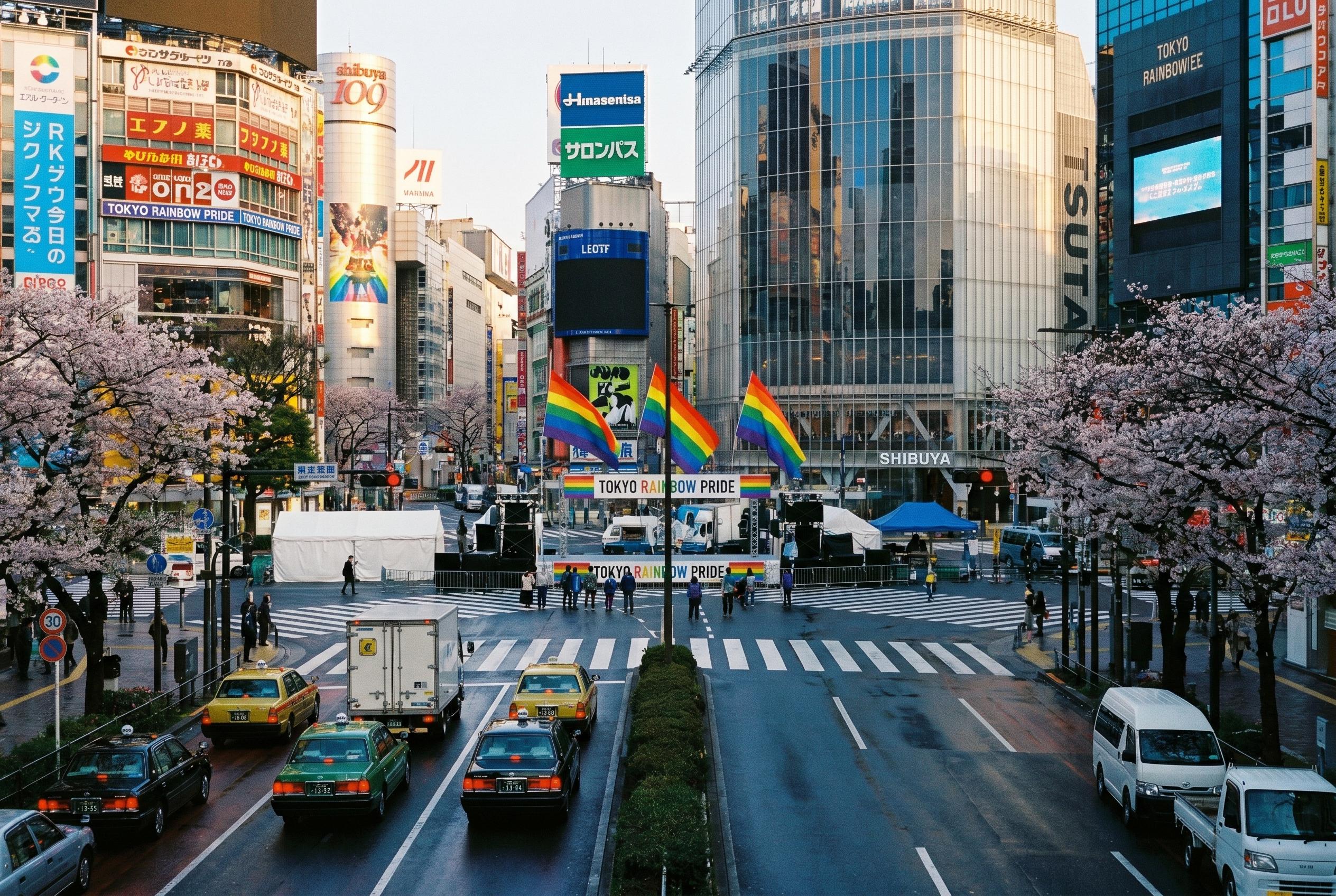
Shoppers are turning to careful reading of who joins Pride: a new study of Japanese Pride parade participants shows how marching together , rainbow flags, chants and feels-like-belonging moments , forges a shared activist identity that includes both LGBT+ people and non-LGBT+ allies, and why that matters for inclusion.
Essential Takeaways
- Four-stage process: Researchers identified Belonging, Behaving, Recognizing roles, and Universalizing as the steps by which parade participants form a collective identity, felt as a warm, visible solidarity.
- Symbols and actions matter: Rainbow outfits, flags and calls such as “Happy Pride” act as performative signals that create connection and a sturdy sense of being-with-others.
- Role differentiation: LGBT+ participants often occupy “core” roles grounded in lived experience, while non-LGBT+ allies tend to act as “supporting” participants motivated by justice or political conviction.
- Paradox of inclusion: Participants aim to dissolve boundaries between groups, yet in doing so they sometimes re-establish them by contrasting the in-group with a loosely defined heteronormative out-group.
- Practical payoff: Repeated participation , same parade each year or hopping between cities , helps cement an activist identity that’s as much acted out as it is talked about.
How a single march can turn strangers into “we”
The strongest finding is almost tactile: people reported a visceral sense of companionship simply from marching together, waving and making eye contact. According to the study, those sensory cues , the colours, the chants, the shared rhythm of walking , operate like social glue and quickly produce a feeling of belonging. This isn’t just feelgood reportage; social identity theory helps explain why performing the same actions creates a shared group sense. If you’ve ever felt a lift from a crowd singing together, you’ll recognise it.
Why allies and LGBT+ people become one in practice, if not always in position
Researchers interviewed 36 parade participants in Japan and found a striking convergence of purpose. Both LGBT+ marchers and heterosexual, cisgender allies described a common aim: visibility, awareness and legal or cultural change. Yet the study is careful to point out internal differences , LGBT+ people often feel a duty rooted in lived marginalisation, while allies more often frame participation as political support or learning. That distinction matters when you think about who leads, who educates, and how solidarity is sustained beyond the day of the parade.
The costume, the chant and the politics of performativity
Visual symbols are not decorative extras here: they’re core to identity formation. Wearing rainbow items, pinning flags, chanting together , these are performative acts that repeatedly signal “I belong.” The authors draw on queer theory’s idea of performativity to show how doing creates identity. Practically, organisers and newcomers should note that facilitating low-barrier performative acts (handouts of flags, simple chants, group warm-ups) can help people feel included quickly.
The in-group within the out-group: a new way to think about boundaries
Traditionally social identity theory frames two clear camps: us and them. This research suggests a subtler model: Pride participants form an in-group that sits inside the broader heteronormative out-group , a kind of in-group within out-group dynamic. That blurred boundary reflects cultural context in Japan where parades often emphasise awareness and celebration over confrontation. It also exposes a tension: the more the in-group stresses its universality, the more it can inadvertently mark difference by moralising the out-group’s ignorance.
What this means for activists, allies and event organisers
If you want Pride to be both inclusive and impactful, the study offers practical clues. First, make performative participation easy: visible symbols, clear chants and group spaces for people to connect. Second, acknowledge role differences without making them a hierarchy , create spaces for LGBT+ voices to lead while inviting allies to support and learn. Third, think long-term: repeat engagement , attending annually or at multiple events , helps transform a one-off outing into an activist identity that lasts beyond the parade route.
It's a small change that can make every march feel more like home.
Source Reference Map
Story idea inspired by: [1]
Sources by paragraph:
- Paragraph 1: ,
- Paragraph 2: ,
- Paragraph 3: ,
- Paragraph 4: ,