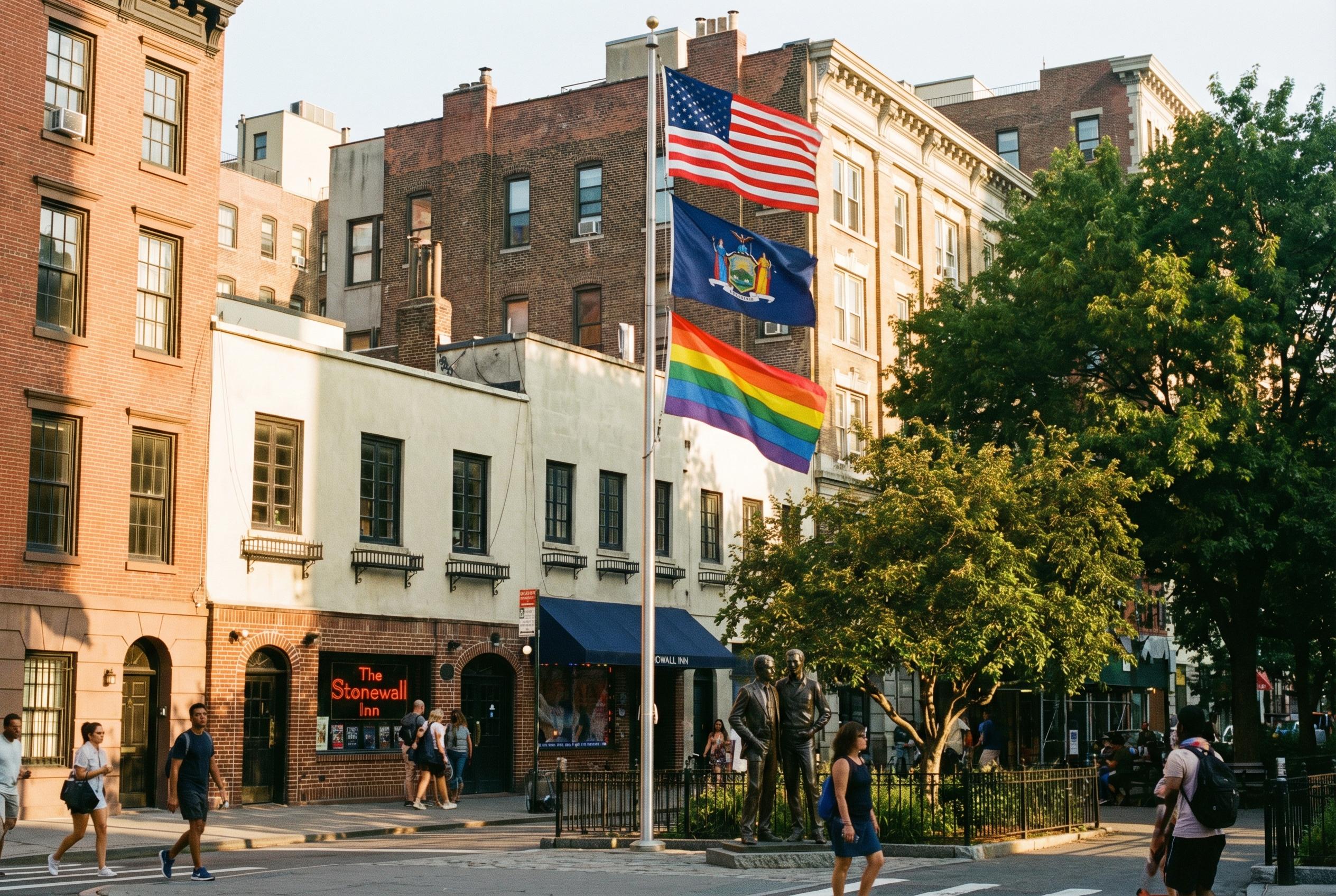
Shoppers are turning their attention to politics as symbolism , the Trump administration has agreed to keep a rainbow Pride flag flying at New York’s Stonewall National Monument, a move that settles a lawsuit and matters for LGBTQ+ visibility at a site of historic protest.
Essential Takeaways
- Agreement reached: The Interior Department and National Park Service confirmed they will maintain a Pride flag at Stonewall, reversing February’s removal.
- Flag details: Park Service will fly three 3x5ft flags on the monument’s pole, with the Pride flag positioned between the U.S. flag and the Park Service flag.
- Legal context: The decision comes as part of an effort to settle litigation from LGBTQ+ advocates and preservation groups; a judge still must approve the settlement.
- Why it matters: Stonewall is the first national monument dedicated to LGBTQ+ history; the flag’s presence is both symbolic and a practical affirmation of inclusion.
- Tense backdrop: The dispute unfolded amid a broader administration review of diversity-related messaging at federal sites, and edits to monument materials under Trump’s policies raised alarm among activists.
What changed , and what the new deal actually says
The sharpest fact here is simple: the federal agencies agreed to put the Pride flag back and keep it there, except for routine maintenance or practical reasons. According to court documents, the Park Service will raise three identical-sized flags and keep the rainbow between the U.S. and Park Service banners. That arrangement is practical, tidy and, crucially, symbolic , placing Pride in the literal centre of the monument’s display. Reporters note the agreement is part of settling a lawsuit filed by LGBTQ+ and preservation groups, and a judge must sign off for it to be final.
Why the flag’s removal became such a flashpoint
When the Park Service removed the rainbow flag in February, officials cited federal guidance limiting displays mostly to U.S., Interior and POW/MIA flags, with narrow exemptions. But for many activists the move read as deliberate erasure: Stonewall isn’t any historic site, it’s the birthplace of a modern civil-rights movement for LGBTQ+ people. The decision to reverse course comes after months of protests, political pressure and another rainbow flag being raised by advocates , a stubborn image that made the removal look tone-deaf and sparked headlines nationwide.
The wider fight over how federal sites tell history
This row sits inside a larger trend: the administration has reviewed and altered content at parks and museums it deems “divisive” or partisan. That has included trimming references to transgender people from some materials and reworking diversity-focused language. Critics say such edits flatten complex histories; supporters argue for neutral treatment of public sites. Either way, Stonewall shows how a single banner can become a national debate about which histories federal agencies prioritise and how visible minority communities are in public memory.
Practical takeaways for visitors and advocates
If you’re planning to visit Stonewall, expect the Pride flag to be on display again, a small but meaningful marker for many visitors. For activists and preservationists, the settlement is a reminder that litigation and public pressure can shape outcomes at federal sites. If you care about how history is told, keep an eye on the judge’s approval , that’s the technical step that finalises this fix. And if you’re coordinating a symbolic gesture, remember size, placement and messaging matter; they make a flag feel like welcome rather than token.
What this reversal signals politically and culturally
The return of the flag is both a short-term victory and a snapshot of a nation still negotiating how to recognise marginalized histories. For LGBTQ+ communities, seeing the rainbow fly at Stonewall restores a direct, visible link between a living movement and the place where activism took off. For the administration, it’s a pragmatic retreat from an image problem; for the rest of us, it’s a reminder that symbols still carry real weight in public life.
It's a small change that can make every visit to Stonewall feel a little more like history remembered , and a little less like history revised.
Source Reference Map
Story idea inspired by: [1]
Sources by paragraph: