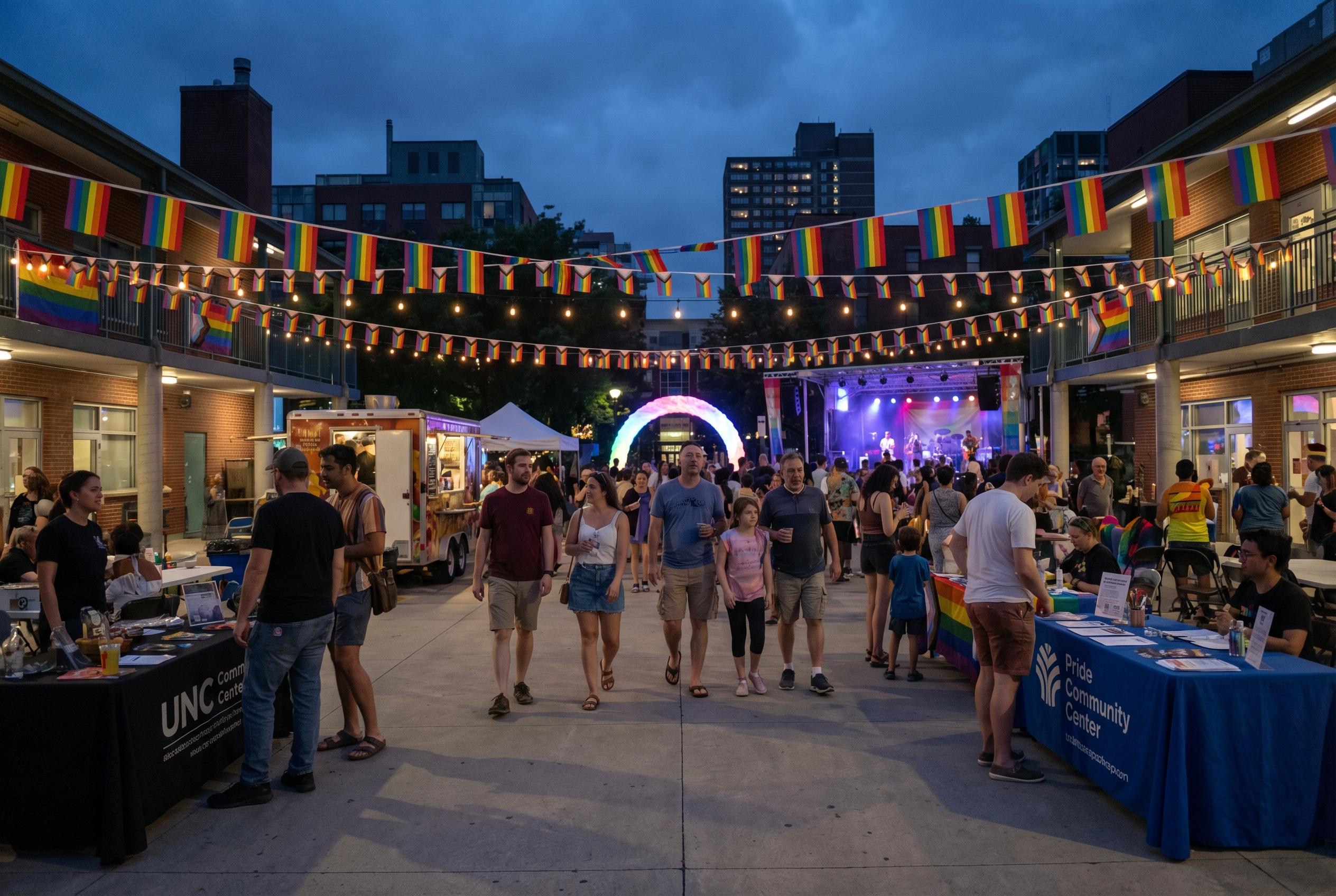
Watch your posts: travellers, activists and queer professionals are being urged to rethink how they travel, work and post online as US proposals to screen years of social media could chill visits, complicate visas and reshape safety norms for LGBTQ+ people. Here’s what matters, why it’s worrying, and practical steps to stay safer.
Essential Takeaways
- Policy shift: New U.S. proposals and memos would collect social media handles and review several years of posts for travellers and visa applicants. This could flag political and identity-based speech.
- Who’s affected: People vocal about trans rights, immigration, or anti-ICE views may be treated as suspicious; journalists, activists and queer government workers are particularly vulnerable.
- Practical risk: The move could deter tourism and cross-border work, as visitors worry about scrutiny or being labelled a security threat.
- Simple protections: Trimming old posts, locking accounts, and keeping social identifiers limited can reduce obvious flags , but these are imperfect shields.
- Broader concern: Rights groups warn this mirrors past political purges and could normalise surveillance that chills free expression.
Why the new social-media checks should make you pause
If you’ve ever googled a date before meeting them, imagine that curiosity turned into official vetting. Recent reporting shows federal guidance would ask visitors and visa applicants to provide social media identifiers and allow officials to review years of activity. It’s not just curiosity; it’s a bureaucratic sweep that looks as far back as five years, and that has people worried because the criteria being scanned aren’t neutral. (According to rights groups and reporting, those criteria can include political views and cultural markers.) For queer travellers and expatriates, that’s deeply personal , and potentially dangerous.
People who speak in favour of trans rights, immigrant protections or protests can now be viewed through a national-security lens, which stretches how "threat" is defined. The emotional reality is straightforward: knowing your timeline might be read by border officials changes how you plan a trip, whether you accept speaking invitations or even if you bring a Pride pin.
How this echoes a modern “lavender scare”
There’s historical precedent here. When official lists and loyalty tests were used to purge LGBT people from public service in earlier decades, careers and lives were ruined. Experts and advocates are warning that current memos and incentive structures could revive that pattern, nudging agencies to prioritise compliance with politically framed screening. The practical effect is chilling: queer public servants scaled back visible activism and, in some places, even removed symbols of identity at work to avoid scrutiny. That’s not abstract history , it’s an everyday calculus for people whose jobs depend on staying under the radar.
This trend isn’t limited to one country; the ripple effects shape travel and employment choices worldwide. If governments normalise social-media vetting, it becomes harder for activists and migrant communities to move and organise safely.
What travellers and visitors can actually do right now
There are no perfect answers, but there are pragmatic steps you can take to reduce risks. First, audit and archive old posts you wouldn’t want read by a visa reviewer; a five‑year retrospective means posts you thought long forgotten may be discoverable. Second, tighten privacy settings and limit public handles, though recognise that private accounts aren’t a foolproof shield if identifiers are requested. Third, use official travel advice from reliable NGOs and checklists from civil‑liberties groups before booking travel or applying for permits. Finally, consider splitting public advocacy from travel accounts and keeping identifying details off government applications where guidance allows.
None of this should feel like victim-blaming. These steps are damage limitation while civic and legal pushback works to protect free expression and equal treatment.
What this means for queer professionals and activists
For journalists, academics and policy workers who travel for conferences or fieldwork, the implications are immediate. If an application or border interview asks for social-media handles, the contents of your timeline could be weighed against obscure policy terms. That increases the cost of being visible online and may push people to withdraw from public life. Institutional responses so far have been uneven: some organisations counsel caution, others are lobbying for clearer protections. The upshot is that the professional calculus has changed , your online footprint is now part of your risk assessment.
It’s also worth noting that the very people producing reporting and commentary on these rules are often those most at risk. So while you may be told to scrub, organisations and journalists should be mounting systemic challenges and advocating for transparent, rights‑respecting screening rules.
How rights groups and lawmakers are reacting
Civil‑liberties organisations argue that wide social‑media sweeps are both overbroad and prone to bias. They point out that tools used to flag "extremism" can pick up legitimate political dissent and advocacy, particularly around LGBTQ+ and immigration issues. Some legal analysts say incentives embedded in funding memos , which reward local agencies that comply , could pressure institutions to adopt aggressive screening even if it's unnecessary. The debate is active: watchdogs are pushing for limits, transparency and judicial oversight to prevent mission creep.
At the same time, policymakers sympathetic to national‑security framing say these measures can help identify real threats. That’s the political tension: security arguments on one side, civil‑liberties and equality concerns on the other. What matters for everyday people is how that tension ends up shaping practical access to travel and employment.
Closing line It’s a small change to your settings and a big change to your sense of safety , take sensible steps online, but keep watching the politics that will decide whether these checks stick.
Source Reference Map
Story idea inspired by: [1]
Sources by paragraph: