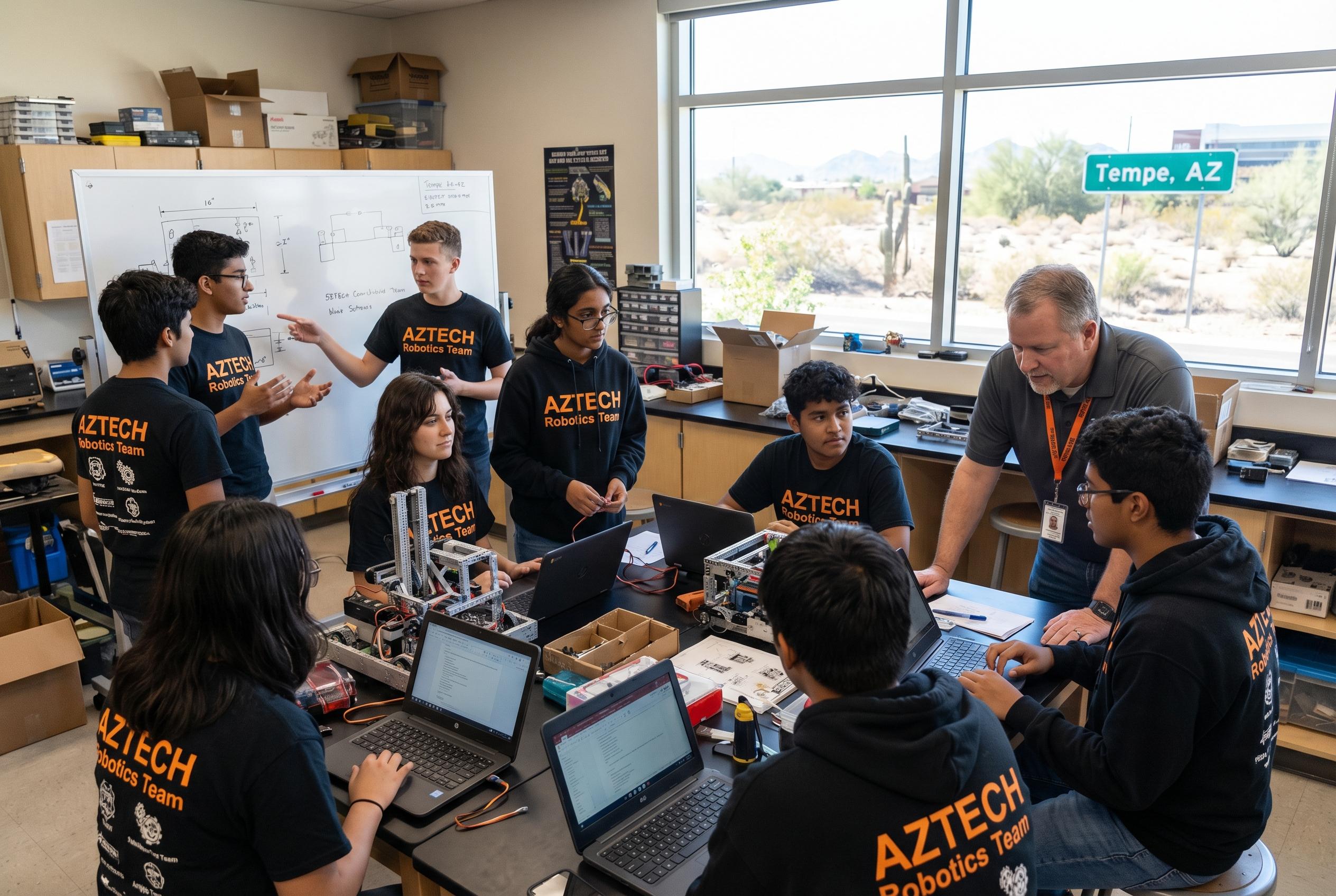
Shoppers are turning to a new kind of youth-led movement: Rainbow Robotics is helping queer teens find belonging in makerspaces, competitions and classrooms across Arizona , and its student organisers say the approach could reshape how schools and clubs welcome LGBTQ+ kids into STEM.
Essential Takeaways
- Student-led initiative: Rainbow Robotics was launched by AZTECH students to make robotics and STEM welcoming to queer youth, with hands-on outreach and resources.
- Funded support: The project received a Changemakers grant from It Gets Better, combining youth creativity with organisational structure and reporting.
- On-the-ground activities: The group runs queer-affirming STEM programming, a Teen Resource Fair with Phoenix Pride, outreach at competitions, and an alliance of teams.
- Practical wins: Teams distribute inclusive supplies, host events, create children’s books and activity packs, and partner with youth-serving groups like one·n·ten.
- Everyday impact: Members report increased confidence, new advocates among peers, and tangible conversations about safety, roles and access.
Why a robotics team started Rainbow Robotics , and why it matters
AZTECH’s students noticed queer kids often felt excluded in STEM and decided to do something about it, creating a programme that feels both pragmatic and warm. The first impression is a busy, slightly chaotic day at a robotics meet , nuts-and-bolts work punctuated by heartfelt conversations , which is exactly the point: inclusion happens where people meet. It matters because STEM isn’t only about skills; it’s about whether kids can imagine themselves there, and AZTECH is using visibility and simple acts of care to make that imaginable.
Grants, structure and youth leadership , how funding shapes the project
It Gets Better’s Changemakers grant gave Rainbow Robotics seed funding and a framework without stealing the students’ vision, showing how adult-backed grants can be youth-directed. That mix of support and autonomy helped the team scale activities , from fairs to partnerships , while keeping the work rooted in what teens actually want. For other groups thinking of starting something similar, the lesson is clear: look for grants that provide scaffolding but let youth lead the design.
What Rainbow Robotics actually does day-to-day
Expect low-tech, high-impact moves: hosting booths at Pride events, flyering in schools, presenting at competitions, and stocking gender-neutral bathrooms with pads and tampons to spark conversations about menstrual equity. They’re also building resources for younger kids , a children’s book and activity guide , so interest in STEM starts early. Practical tip: small, visible gestures like inclusive bathroom supplies or an explicitly queer-friendly sign at a stall can open more doors than a single big event.
Building an alliance , spreading the model across teams and states
AZTECH has signed up several Arizona teams and is in talks with others nationally, aiming to form an alliance of robotics clubs committed to queer-affirming practices. This isn’t just feel-good networking; it creates a peer accountability system where teams can share role-modeling strategies, safety practices for lodging and travel, and ways to avoid gendered role assignments. If your team wants to join an alliance, start by sharing a short, public statement of intent and a few concrete actions you’ll take.
The creative outreach , a children’s book and beyond
Huehue Finds A Way, a children’s book in development, shows how the students are thinking long-term: early exposure makes STEM familiar and normal for kids who might otherwise see it as unwelcoming. The book is a smart move because it bridges storytelling, cultural grounding and engineering concepts in an approachable way. For educators, that suggests pairing story-led activities with simple builds can demystify engineering and invite curiosity.
Challenges, pushback and the work adults can do
Even with momentum, Rainbow Robotics faces barriers: community colleges worried about DEI crackdowns, politicised school environments, and subtle biases like gendered role expectations. The students urge adult allies to be active, not passive , check in with marginalised students, speak up at school boards, and make support visible. Practical advice for adults: lobby locally, volunteer at events, and ensure organisational policies around lodging and safety are explicit before competitions.
It's a small change that can make every meetup and build session a safer, more creative place.
Source Reference Map
Story idea inspired by: [1]
Sources by paragraph: