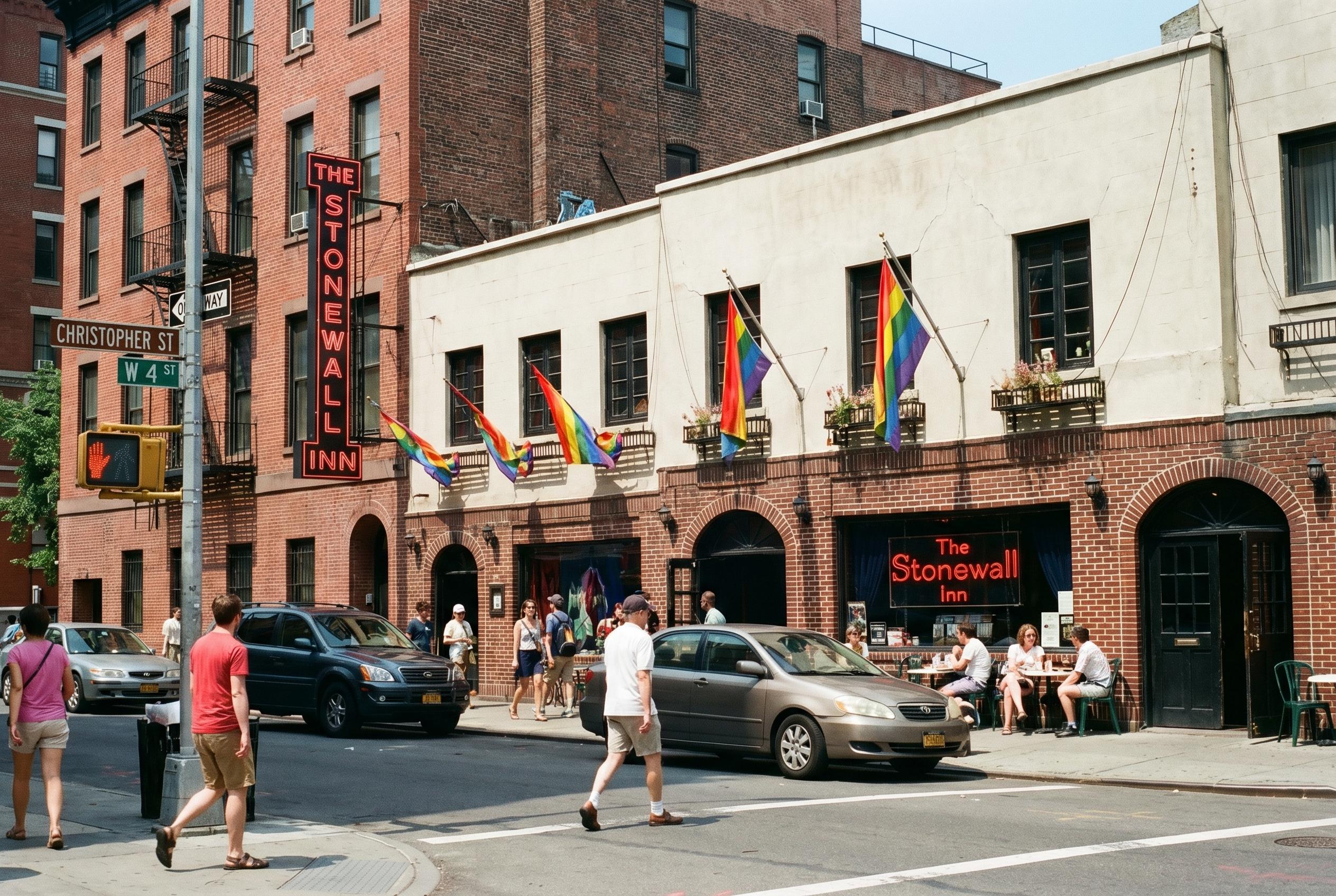
Watchers celebrated after a court ordered the Pride flag back at Stonewall National Monument, a victory for local leaders, activists and visitors who say visibility there matters. The ruling reverses a controversial Park Service policy change and signals how symbolic gestures can shape history and civic memory.
Essential Takeaways
- Court verdict: A judge ordered the Pride flag to be returned to Stonewall National Monument, reversing the Park Service removal.
- Local outrage: Elected officials and community groups called the removal an act of erasure; they pressed for immediate reinstatement.
- Why it matters: Stonewall is widely recognised as the birthplace of the modern LGBTQ movement, so symbols flown there carry historical weight.
- Practical result: The Inn and visitors centre had kept private flags flying; the ruling restores the flag to the public monument space.
The courtroom reversal landed like a cheer , visibility wins, briefly, in a charged tug-of-war
A federal judge ordered the Pride flag returned to Stonewall National Monument, delivering a quick, visible victory for activists and local leaders who’d denounced the flag’s removal as deliberate erasure. You could almost feel the relief: the colours are a small but potent reassurance that the site’s meaning won’t be muted. According to The New York Times and NBC News, the ruling compels the National Park Service to restore the emblem to the monument grounds. Practical takeaway: a court can force reinstatement when policy shifts collide with constitutional or statutory duties, so legal pressure matters.
Why the flag’s removal sparked such fierce backlash
Leaders from nearby districts and national organisations framed the take-down as an attack on history and community identity. New York State Sen. Erik Bottcher told the Washington Blade the move was “another act of erasure,” and New York’s mayor and national figures publicly condemned the change. Reporting from The Guardian and AP shows that critics see the policy shift as part of a broader trend targeting LGBTQ representation in public spaces, not merely a technical flag decision. For readers, that helps explain why a flag matters: it’s a visible anchor for memory and ongoing rights claims.
The Park Service policy change that began this dispute
The controversy traces back to an internal National Park Service policy change that narrowed which flags are allowed at federal sites. PBS and LGBTQ Nation outlined how the revised guidance, implemented earlier in the year, prompted the removal. The policy itself looked neutral on paper, but critics argued it was applied selectively at Stonewall, a place uniquely tied to queer history. If you’re a civic-minded visitor, it’s a reminder to watch how administrative rules can reshape public storytelling and who gets to be seen.
Local and national organising turned outrage into action
Community groups, advocacy organisations and elected officials moved quickly to push back. The Human Rights Campaign, the National LGBTQ Task Force and local charities all denounced the removal, while private property owners at the Inn kept their flags flying. Reporting in LGBTQ Nation and the Washington Blade shows a coordinated response: statements, legal filings and public demonstrations. Practical tip: when symbols are targeted, organised rapid response , legal and public , can force a reassessment or judicial review.
What this means for future battles over symbols in public spaces
The court’s decision sets a precedent that may encourage challenges to similar moves elsewhere, and it underlines the political theatre of flags and monuments. The New York Times notes the ruling’s potential ripple effect on similar disputes, while NBC News covered the immediate practical outcome at Stonewall. The broader point is clear: policy changes that affect symbolic recognition rarely stay confined to bureaucracy; they become civic arguments about who belongs in public memory. Expect more legal and political fights where symbolism and rights intersect.
It's a small but powerful turn , the colours flew again, and for many, that meant history stayed visible.
Source Reference Map
Story idea inspired by: [1]
Sources by paragraph: