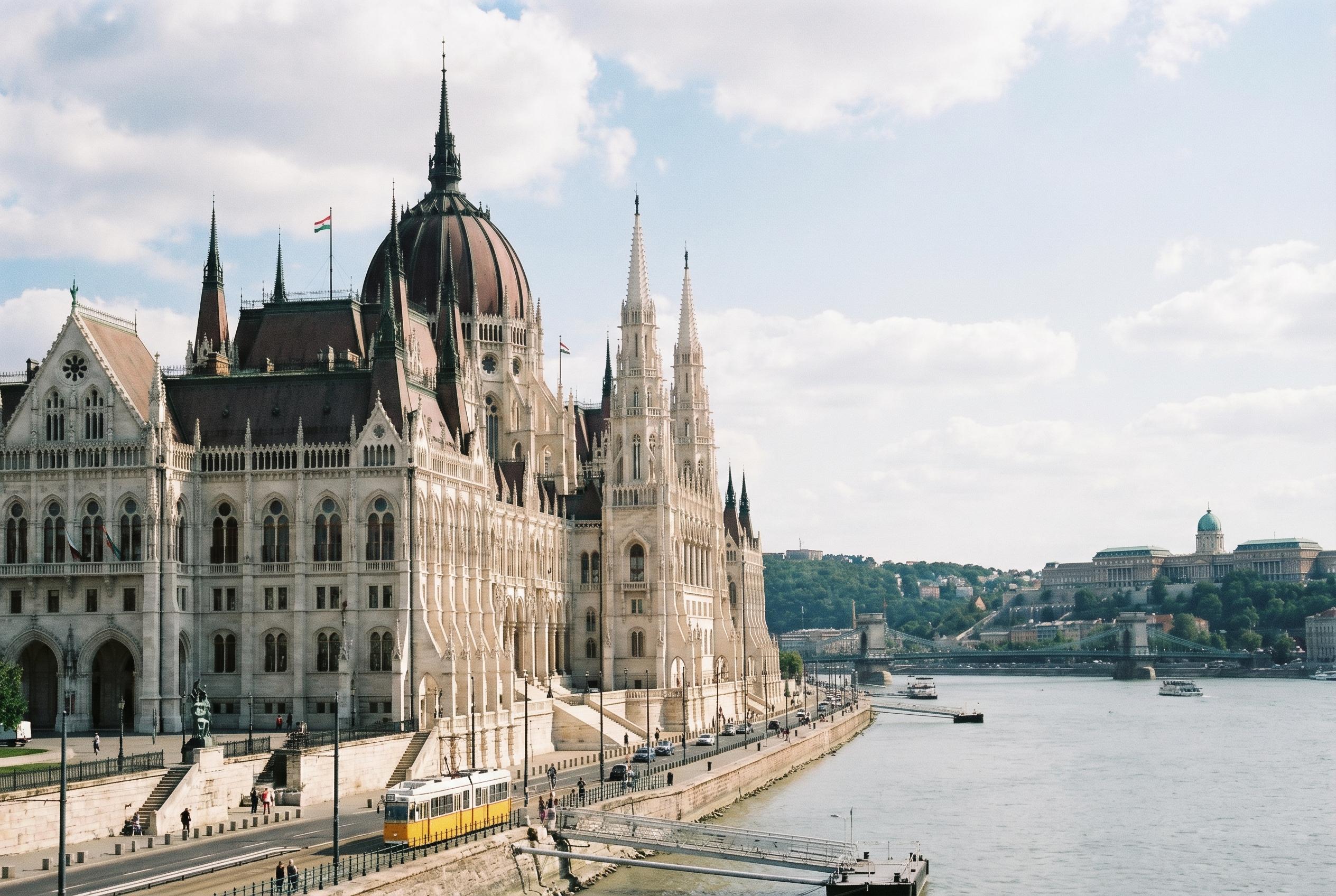
Shoppers of headlines and lovers of liberal progress are watching closely as Péter Magyar unseats Viktor Orbán , a dramatic political shake-up in Budapest that could reshape Hungary’s approach to LGBTQ+ rights, public assembly and the nation’s image in Europe. Here’s what changed, what hasn’t, and what LGBTQ+ Hungarians might reasonably expect next.
Essential Takeaways
- Historic upset: Péter Magyar defeated Viktor Orbán after 16 years, signalling a major political realignment in Hungary.
- Mixed signals on LGBTQ+ policy: Magyar has criticised Orbán’s anti-LGBTQ+ measures and pledged to protect Pride assembly rights, but he hasn’t committed to same-sex marriage or adoption reform.
- Human impact: Activists welcome the shift but urge sustained pressure; uncertainty remains around legal reversals and enforcement.
- European context matters: Magyar’s pro-Europe tone could ease tensions with EU institutions that previously clashed with Budapest over rights and rule-of-law issues.
- Practical next steps: Watch early government decrees on public assembly, judicial appointments and education policy for the first signs of change.
A real political plot twist , what happened on the day Hungary flipped
Magyar’s victory felt cinematic: the long-ruling leader who shaped Hungary’s politics for nearly two decades was finally voted out. There’s a tangible sense of relief on the streets among many who’d grown weary of polarising rhetoric, and a softer, cautiously optimistic mood in parts of the LGBTQ+ community. According to reporting that tracked the campaign and outcome, Magyar’s win came after broad discontent with Orbán’s alliances and domestic scandals, which eroded his base. For queer Hungarians, the immediate emotional note was one of cautious hope rather than celebration.
Magyar’s stance: criticised Orbán, but kept policy cards close
Magyar has publicly criticised Orbán’s homophobic moves and promised protection for the right to assemble , he specifically opposed bans on Pride marches. Yet he’s remained notably quiet on full equality measures like same-sex marriage or adoption rights. Activists and commentators have pointed out this gap: rhetorical distance from Orbán’s hardline positions is meaningful, but absence of a reform timetable means legal change isn’t guaranteed. If you’re an advocate or a concerned parent, this is the moment to press for concrete commitments rather than take vague assurances at face value.
What this means practically for LGBTQ+ people in Hungary today
A change of tone from the top can alter everyday experiences , police responses to Pride, school guidance on bullying, local permits for events. Still, laws that restrict rights won’t vanish overnight. Expect incremental shifts first: administrative rulings, restored permits for events, or softer enforcement of contentious statutes. For families and couples affected by adoption or partnership rules, legal uncertainty will persist until specific bills are proposed or struck down. In short, life may feel a little freer soon, but legal security will lag unless Magyar prioritises formal reform.
The European angle: diplomacy, funding and pressure
Magyar’s pro-European posture could unlock smoother relations with Brussels, which for years has used financial and legal levers to push Hungary on rule-of-law and rights issues. Easier access to EU dialogue and funds could empower civil-society organisations and create space for progressive legislation. That said, any progress is likely to be negotiated and gradual; Brussels rarely forces overnight legal U-turns without sustained domestic momentum. For NGOs and campaigners, this is a strategic moment to align local pressure with European mechanisms.
How activists are reacting and what to watch next
Activists have reacted with cautious optimism: appreciation for the removal of an overtly anti-LGBTQ+ leader, plus a reminder that Magyar will be held accountable. Key near-term indicators to watch are government statements on public assembly, education curricula updates, judicial appointments that affect rights litigation, and any draft laws addressing family or equality definitions. If you want to stay informed, follow local advocacy groups and independent outlets for rapid analysis and grassroots perspectives.
It's a small change that can make every march, festival and legal challenge a bit safer , but only if citizens and organisations keep the pressure on.
Source Reference Map
Story idea inspired by: [1]
Sources by paragraph: