Shifting the spotlight, Eurovision 2026 features a fresh roster of LGBTQIA+ artists whose music and stagecraft are doing more than entertain , they're opening doors, starting conversations and giving queer viewers someone vivid to look up to. Here’s who’s making waves and why it matters.
Essential Takeaways
- Notable contenders: Greece’s Akylas and Lithuania’s Lion Ceccah stand out for their openly queer presentation and theatrical staging.
- Performance styles vary: Expect a mix of pop hooks, drag-influenced performance art, and theatrical storytelling that feel both polished and personal.
- Emotional resonance: Several entrants weave lived experience into lyrics, offering songs that sound like confessions or celebrations.
- Cultural flashpoints: Entries arrive into national contexts with differing attitudes to gender and sexuality, which makes visibility on the Eurovision stage politically charged as well as entertaining.
Why Eurovision still matters as queer visibility
Eurovision has long operated as more than a song contest; it’s a kaleidoscope where costume, camp and candour collide, and that’s exactly why queer artists gravitate here. For many viewers the contest functions like a mirror and a megaphone: you see yourself reflected and your voice is amplified. That emotional, public visibility matters in places where representation is scarce, and the 2026 line-up keeps that tradition alive.
Akylas: pop charisma with a personal narrative
Greece’s Akylas rose through viral covers to national success and now brings a song stuffed with self-acceptance energy. His public journey hasn’t been a single “coming out” moment but an unfolding through performance , songs that feel like small acts of reclamation. If you want to support him, hunt for the live clips: they show a performer who balances intimacy with stadium-ready flair.
Lion Ceccah: performance art and gender fluidity on stage
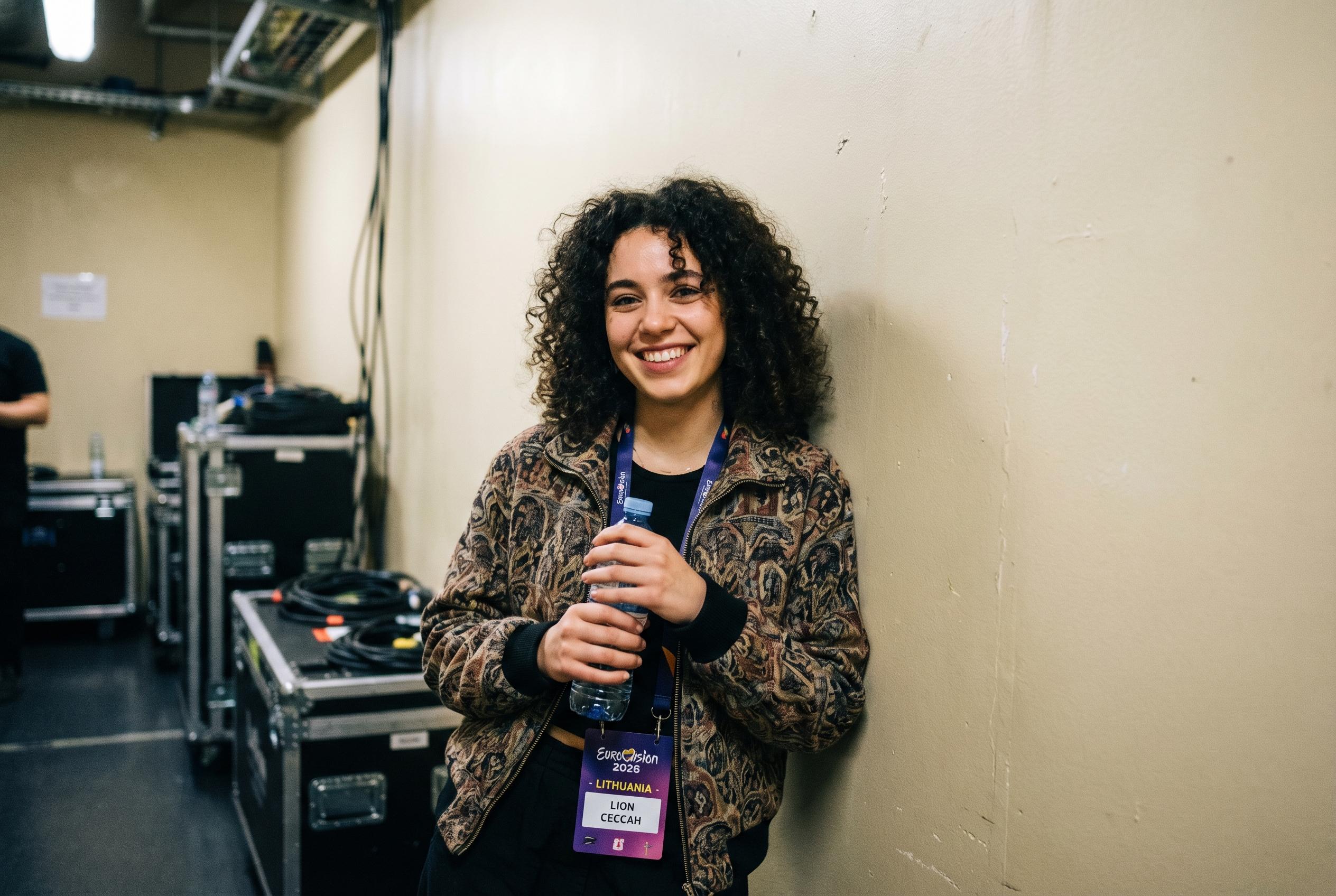
Lithuania’s Lion Ceccah is one of the most conceptually daring acts this year, mixing pop with drag-inspired visuals to deliberately blur gender lines. Their act reads like a direct challenge to rigid performer archetypes back home, where public expectations about masculinity and femininity still run strong. Expect theatrical gestures, bold styling and a staging concept designed to provoke conversation as much as applause.
Søren Torpegaard Lund: musical theatre meets modern pop
Denmark’s entry comes from a trained musical theatre performer, which shows in the sweep and drama of his song. He folds personal relationships into his songwriting, creating moments that feel honest rather than performatively queer. That theatrical discipline helps the piece land emotionally; for viewers it’s a reminder that craft and candidness make a strong combo on the Eurovision stage.
Boy George: a queer pop icon returns to the spotlight
Boy George’s presence is a reminder of how long queer expression has been pushing into mainstream music. As a storied figure who helped normalise gender-bending performance decades ago, his Eurovision involvement adds historical weight to the contest. It’s nostalgic and provocative at once, and it signals to younger viewers that the current wave of visibility has deep roots.
Pete Parkkonen: complicating labels and public perception
Finland’s Pete Parkkonen offers a slipperier take on identity, having publicly discussed attraction beyond binaries without embracing a fixed label. That nuance often gets flattened in headlines, so his presence is a useful talking point about how artists move through public life and how audiences interpret offhand remarks. It’s a reminder that visibility doesn’t always come with neat categories.
What to watch for on the night , and why it matters
Watch staging choices, costume moments and how broadcasters frame each act. These visual decisions shape the story the world takes away. Songs that pair personal testimony with striking imagery tend to lodge in viewers’ memories, which is how representation shifts from novelty to normality. And if you’re a fan, cheering or sharing performances online helps the message travel beyond the arena.
It's a small change that can make every performance feel like a brighter, braver invitation.
Source Reference Map
Story idea inspired by: [1]
Sources by paragraph: