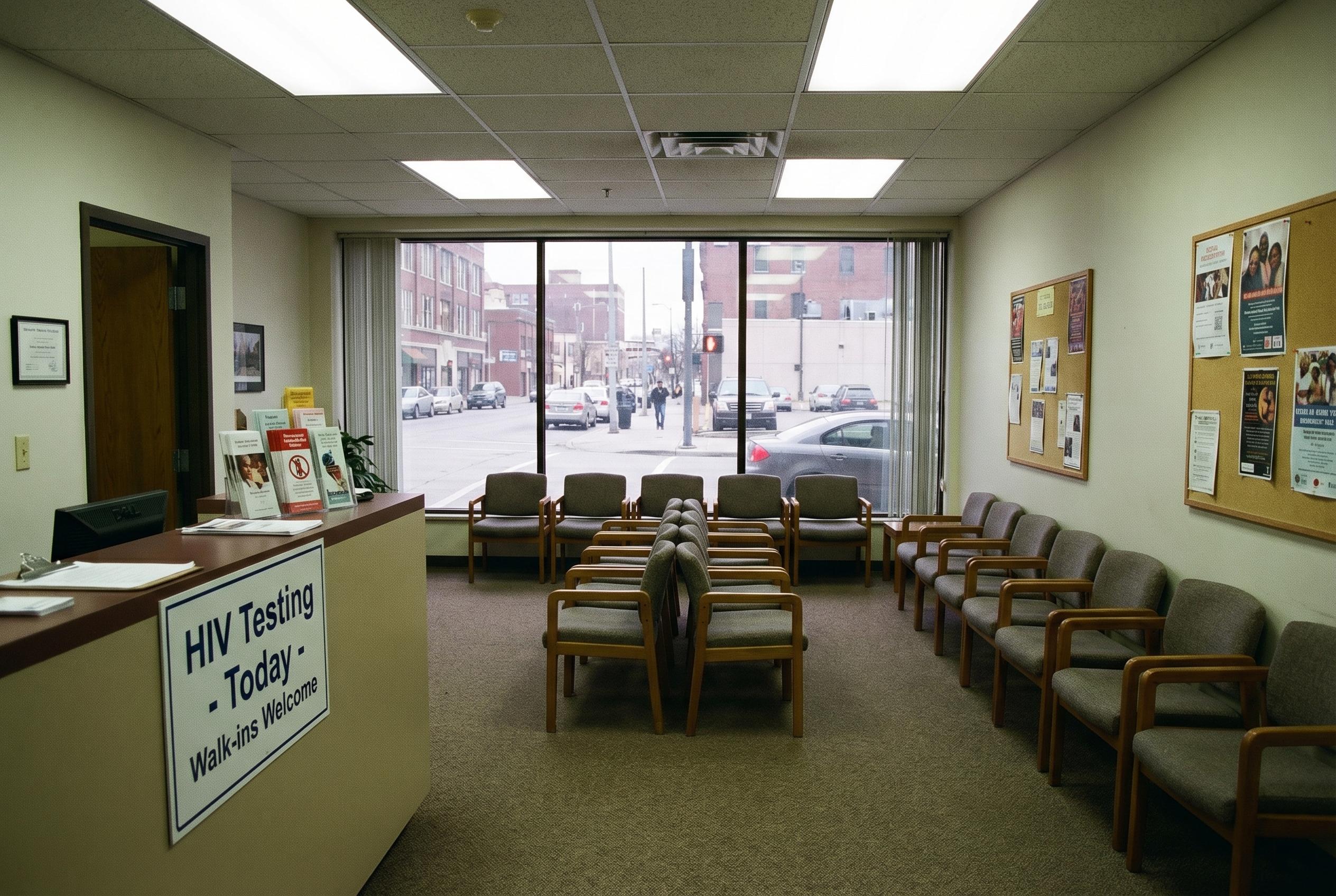
Shoppers are turning to practical fixes as health policy shifts make headlines: as 11 U.S. states now allow clinicians to refuse care to LGBTQ+ patients, community groups, clinics and clinicians are adapting to keep testing, prevention and everyday care accessible. Here’s what’s changing, why it matters and how to respond.
Essential Takeaways
- Fewer HIV tests: Studies show sexual-minority adults in states passing conscientious-objection laws were markedly less likely to get a first-time HIV test.
- Worsening self-rated health: LGBQ+ adults in affected states reported higher odds of fair or poor health after such laws passed.
- Policy plus practice: Conscientious-objection laws add to other policies limiting HIV prevention and gender-affirming care, worsening access.
- Practical remedies exist: LGBTQ+-affirming clinics, clear patient rights and community outreach can blunt some harms.
- Why it’s urgent: Missing early HIV tests blocks access to PrEP and timely treatment, widening health gaps tied to housing and employment.
Why a legal “right to refuse” changes routine care
The sharpest finding is simple and human: when clinicians are legally permitted to opt out, LGBTQ+ people step back from the clinic. That’s not just paperwork , it’s a dampened sense of safety, a chilly waiting room, and tests left undone. According to public-health analyses, these laws correlate with lower HIV testing among sexual-minority adults, which in turn blocks access to prevention like PrEP. The result is an easily preventable cascade of missed care.
History helps explain this. Conscientious objection rules have long been defended for controversial services such as abortion, but in recent years several states extended protections to cover refusals tied to sexual orientation and gender identity. Those legal changes arrive amid other retrenchments , cuts to federal and state HIV programmes and limits on insurance coverage , making the environment tougher for people who already face care barriers.
What it means for HIV prevention and treatment
Testing is the gateway. Without an HIV test you can’t start PrEP, and you can’t be diagnosed early enough for the best outcomes. Studies sampling tens of thousands of adults show a significant drop in first-time HIV testing among LGBQ+ adults in states that enacted these laws. That has immediate public-health consequences: delayed diagnosis, continued transmission, and lost opportunities to prevent serious illness.
Practically speaking, anyone prescribing PrEP must confirm HIV-negative status first, so systemic reluctance or refusals by providers effectively shut the door on one of the most effective prevention tools we have. Community clinics and sexual-health services therefore become crucial lifelines for people in jurisdictions with refusal laws.
How clinics, systems and advocates are responding
Hospitals and health systems can do a lot even where state law permits refusals. Many are investing in training, clear non-discrimination statements and referral systems to ensure patients aren’t left without care. Community health centres and LGBTQ+-focused clinics expand outreach and low-barrier testing , walk-in clinics, mobile testing vans and home-test distribution are practical workarounds that meet people where they are.
Advocacy groups are also pushing for policy fixes and public education. Research suggests framing these laws as harms to health inequality gains more sympathy than abstract rights debates, so campaigns that spotlight real health impacts , fewer tests, worse self-rated health , can shift opinion and policy.
Tips for LGBTQ+ people seeking safe care
Know your rights and have a plan. Look up local clinics that explicitly advertise LGBTQ+ care, call ahead to ask about testing and privacy policies, and consider community health centres if private practices feel risky. Home HIV tests and telehealth counselling are useful short-term options where available. If you face refusals, document what happened and seek legal or advocacy help , organisations provide directories and can sometimes intervene.
Size and timing matter: choose clinics that offer repeat testing and PrEP follow-up, and don’t delay your first test , early engagement can be lifesaving and opens up prevention options. If you rely on insurance, check whether your policy covers PrEP and related services, and ask patient navigators about cost assistance programmes.
Looking ahead: law, health and small practical fixes
These laws don’t operate in a vacuum , they interact with housing, employment and broader social supports that shape HIV risk and overall health. Tackling the harm means a mix of policy pushback, better-funded community services, and health-system commitments to inclusivity. In the meantime, local clinics, outreach teams and informed patients can blunt the worst effects.
It may feel like a lot to navigate, but small, concrete steps , finding an affirming provider, using low-barrier testing options, and joining community networks , can make the difference between missed care and early prevention.
It's a small change that can make every visit safer and every test more likely.
Source Reference Map
Story idea inspired by: [1]
Sources by paragraph: