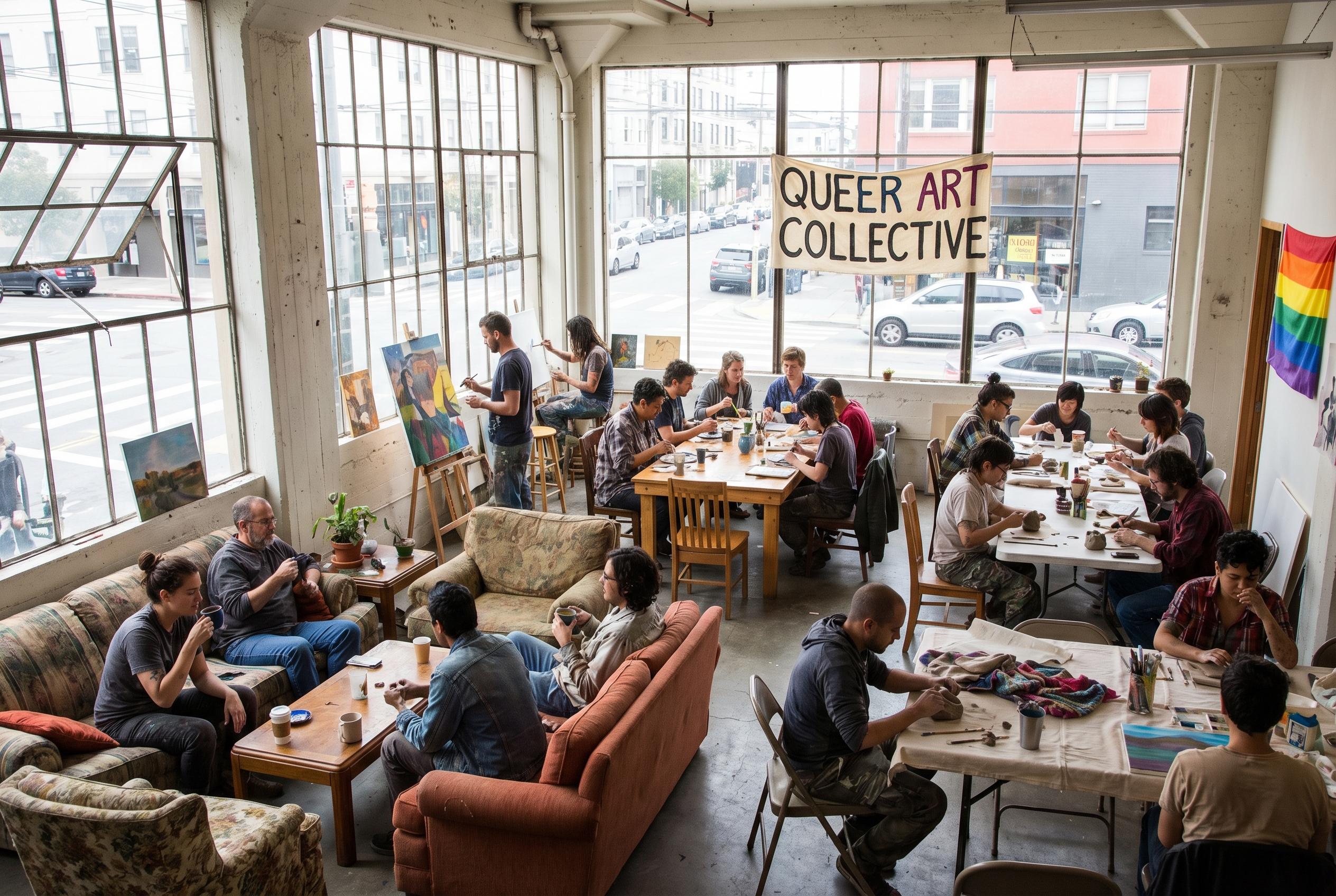
Shoppers are turning to community, creativity and boundaries as politics turns harsher; queer and trans people across the US describe practical coping strategies that matter for daily survival and mental health. This piece looks at what works, why it helps, and how to find small pockets of hope when national rhetoric feels violent.
Essential Takeaways
- Community first: Leaning on chosen family and local networks brings immediate safety and joy.
- Curated media: Selective consumption of queer art and theory offers consolation and creative fuel.
- Information hygiene: Limiting exposure to threatening news reduces anxiety and helps sustain action.
- Spiritual and personal rituals: Practices like meditation, art-making or grooming restore a sense of self.
- Political context matters: Rising rhetoric and threats from powerful actors make these coping tools both practical and political.
Why queer people often develop survival skills early
Many queer and trans people learn young how to read a room, stay safe and find allies, and those instincts kick back in when national leaders preach intimidation. According to interviews reported in HuffPost, people described feeling haunted by aggressive rhetoric and finding the same playbook in public life that they experienced as bullying. That background leaves a community with hard-won resilience , a readiness to protect themselves and each other that looks like clear-eyed caution and fierce mutual aid.
Community as a balm and a shield
Sticking together is both emotional and practical: chosen family can provide house space, legal advice, or just a place to breathe. Several interviewees said gatherings, parties and conversations are not frivolous but repair work. Practically, map your networks , who can you call for an overnight stay, a document scan, or to accompany you to a clinic? Small preparations make the difference when stakes rise.
Curating media to stay nourished, not numbed
People told HuffPost they turn to queer artists, novels and theory to be reminded they’re part of a longer story. That’s deliberate , instead of doomscrolling, pick one podcast, one novel, one playlist that replenishes you. Engaging with queer history and utopian thought can reframe fear into purpose; it’s a way of practising hope rather than simply waiting for things to get better.
Boundaries around news and emotional labour
When headlines feel like threats, information hygiene is a radical act. Several sources advised limiting news checks, blocking certain apps or feeds, and delegating political updates to trusted friends. This doesn’t mean apathy , it’s about concentrating your energy where it makes impact and protecting your nervous system so you can keep showing up over the long haul.
Rituals that restore identity and agency
Small acts matter: grooming, creative practice, meditation, or even going out looking and feeling good were named as coping mechanisms. These rituals reaffirm that your life continues, that your body and spirit belong to you. For activists and artists, making work is also resistance; producing something beautiful or useful interrupts fear with purpose.
The broader political picture and why coping is civic too
Experts have warned about a rise in aggressive political rhetoric and tolerance for violence from powerful actors , a trend that raises risk for marginalised communities. That context makes the coping strategies here both personal and civic: mutual aid, careful information-sharing and community care are ways of preserving safety while preparing to respond. Staying connected to local services, rights groups and legal resources keeps those coping tools practical, not purely emotional.
Closing line It's a small but powerful shift to tend your inner life and your networks , it keeps you steady when the air tastes like alarm.
Source Reference Map
Story idea inspired by: [1]
Sources by paragraph: