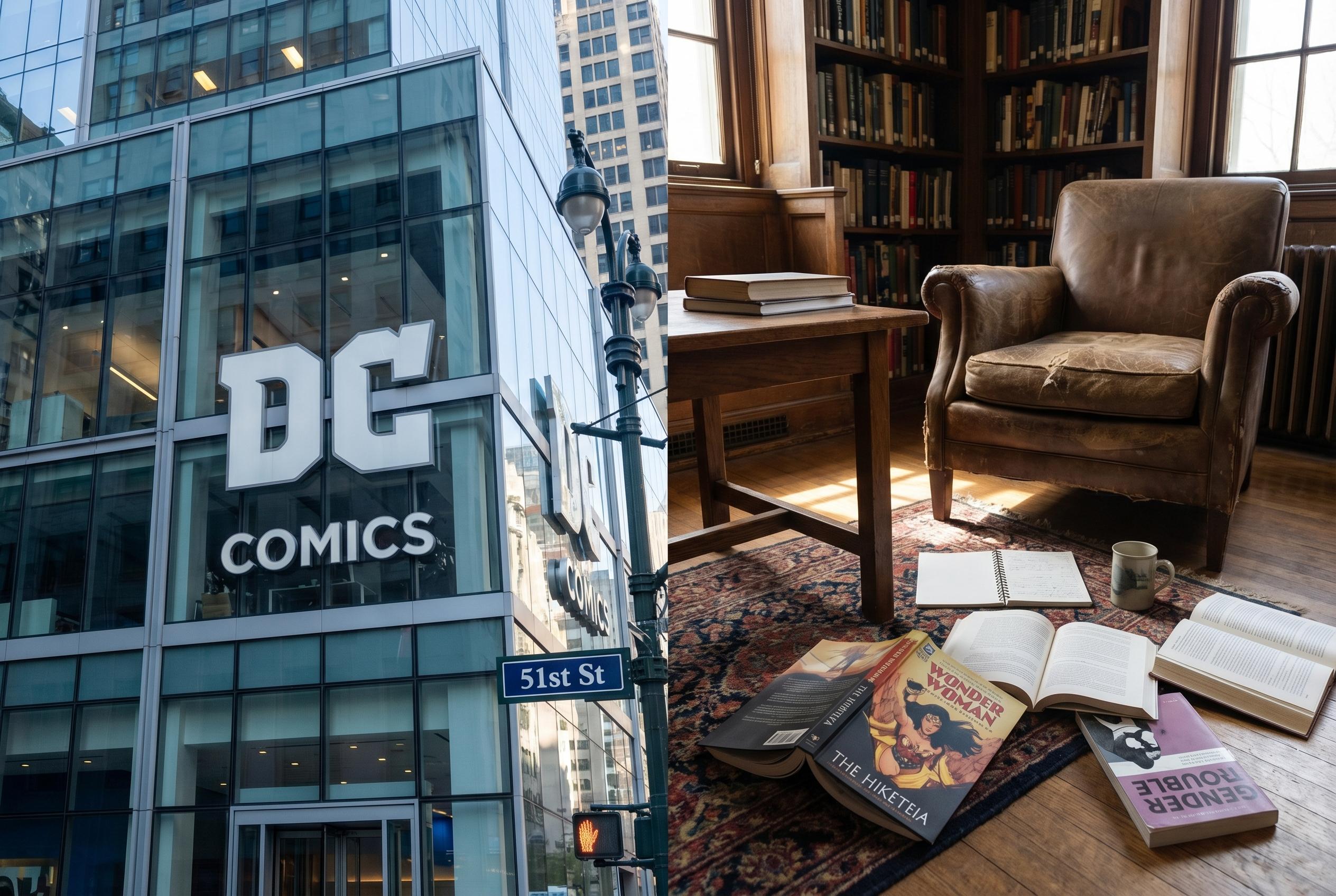
Shoppers are noticing a shift: Absolute Wonder Woman leans into Diana Prince’s attraction to women, and it matters for representation and storytelling because it redraws what heroism looks like when love isn’t boxed in. Fans, creators and publishers are debating why this choice matters, and how it might change future DC pages.
Essential Takeaways
- Confirmed creative intent: Kelly Thompson says she writes Absolute Wonder Woman as a queer character, even if DC’s official page-by-page canon may evolve.
- Character-first approach: Thompson and past writers portray Diana as someone who transcends rigid labels, which feels authentic to her origin on Themyscira.
- Historical context: Greg Rucka and other creators previously framed Wonder Woman’s bisexuality or attraction to women as part of her core identity.
- Emotional tone: The storytelling treats Diana’s relationships as natural and unremarkable, emphasising emotional truth over labels.
- Practical impact: This direction can broaden queer visibility in mainstream comics while prompting conversations about editorial policy and canonisation.
Why the writer’s intent matters , and why fans care
Kelly Thompson’s recent comments make one thing clear: the writer is deliberately shaping Diana as queer, and she expects readers to feel it when they read the book. That’s a sensory claim as much as a political one, fans report the emotional beats and intimate moments read as genuine, not tokenistic. According to reporting, Thompson framed this as a creative choice she finds natural for the character, and that honesty is what’s driving fan interest. For readers, knowing a writer intends to represent Diana this way changes how you scan each scene; you start looking for nuance, not headlines.
Backstory: this isn’t the first time Diana’s sexuality has been foregrounded
DC’s history with Diana’s sexuality stretches back years, with writers like Greg Rucka openly discussing her attraction to women and framing it as consistent with Amazonian culture. Publications such as The Guardian and Time covered earlier confirmations that Wonder Woman’s romantic life could include women, and ABC Australia chronicled reactions when the idea resurfaced. That continuity gives Thompson’s approach weight: she’s building on an ongoing conversation rather than inventing a new angle out of nowhere.
Labels versus lived experience , Diana as “beyond” boxes
One of the most interesting things Thompson , and earlier creators , emphasise is Diana’s indifference to human labels. She grew up in an unusual society; her perspective on gender and attraction is different. That translates on the page into moments that feel effortless: she loves who she loves, without thinking “is this allowed?” For readers trying to choose editions or storylines to recommend, look for books that foreground quiet intimacy and character growth rather than waving a banner. Those scenes tend to feel truer to Diana’s mythology.
What this means for representation in comics
Queer representation in mainstream superhero comics isn’t just symbolic; it shifts the kinds of stories that get told and who sees themselves reflected. When a flagship character like Wonder Woman is written as attracted to women, it validates queer readers and nudges publishers toward more honest storytelling. At the same time, creators and fans are aware of limits: Thompson noted editorial boundaries can shape how and when a publisher “allows” certain portrayals. If you care about representation, supporting creators’ work and buying editions where queer themes are explored helps signal demand to publishers.
How to approach Absolute Wonder Woman as a reader
If you want to judge how successful this portrayal is, read with an eye for subtext and for how relationship beats are handled. Are moments of tenderness integral to Diana’s arc, or do they feel tacked on? Does the story treat queer attraction as incidental to her heroism, or as a defining plot twist? Those answers will tell you whether Thompson’s version is a step forward. For collectors, pick first-print issues or trade paperbacks that include author notes or interviews, those extras often give clearer context about intent.
It’s a small but meaningful shift: writing Diana as queer changes not just who she might kiss on the page, but how we imagine heroism and belonging.
Source Reference Map
Story idea inspired by: [1]
Sources by paragraph: