Shoppers are turning to stories of resilience: Vivienne Armstrong and Louise Young, a Dallas couple who met at the University of Colorado in 1971, mark 55 years together this April , a quiet testament to steady love and bold activism that helped shape local LGBTQ+ life and workplace rights.
Essential Takeaways
- Long partnership: Armstrong and Young have been together since 1971 and moved to Dallas in 1976, building a life and activism there.
- Workplace pioneers: Young helped found early LGBTQ+ employee resource groups at Texas Instruments and later at Raytheon, pushing for partnership benefits.
- Healthcare advocacy: Armstrong spent 30-plus years with the Visiting Nurses Association and became a visible caregiver for people with AIDS during the 1980s.
- Civic leadership: Young served on the Texas Democratic Executive Committee as an openly out elected member; Armstrong was appointed to a city health commission.
- Community legacy: Their organising helped shape Dallas organisations from the Dallas Gay Political Caucus to the Lesbian/Gay Political Coalition, leaving a practical, ongoing impact.
How two students became Dallas organisers
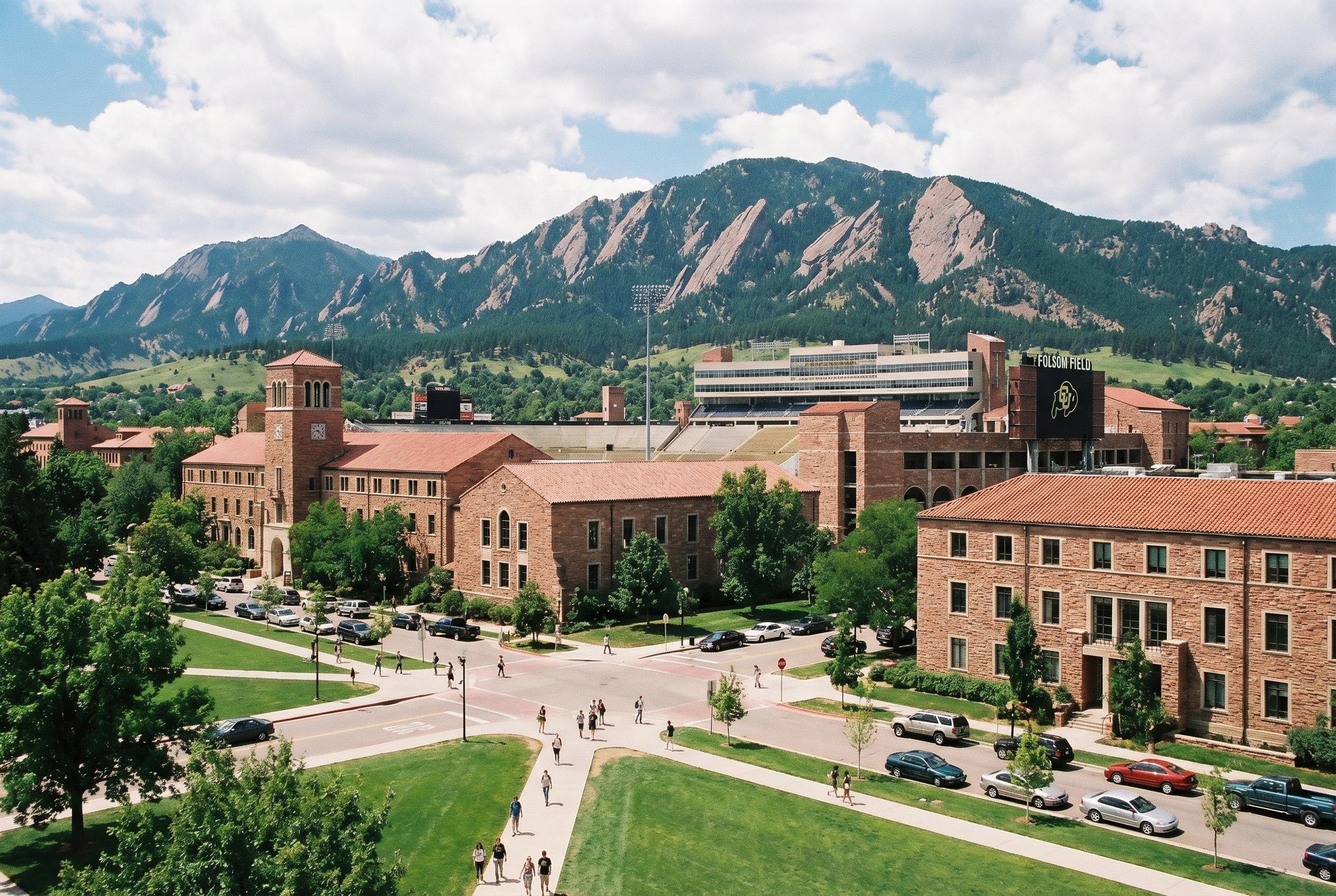
They met at a gay and lesbian event at the University of Colorado Boulder in 1971 , a simple start that led to decades of partnership and public service. You can almost picture them then: early activists with bright ideals and that mixture of nervousness and hope people had in the early 1970s. According to recollections shared by university sources, both were ready to turn private conviction into public action, and within a few years they were living and working in Dallas.
Their move to Dallas in 1976 brought them straight into the newly forming local groups that would become the backbone of gay and lesbian organising in the city. The couple’s early involvement helped the Dallas Gay Political Caucus evolve into the Dallas Gay Alliance and later the Lesbian/Gay Political Coalition, demonstrating how grassroots energy turned into durable institutions. If you’re tracking how movements scale, this pair shows the path from campus meeting to city leadership.
Workplace change: turning ERGs into tangible benefits
Louise Young is especially notable for taking workplace inclusion beyond goodwill. She helped form one of the earliest LGBTQ+ employee resource groups at Texas Instruments, then replicated that model at Raytheon after a division sale. Industry observers say she framed inclusion as a business case , keep your best employees, reduce turnover costs , and that pragmatic pitch persuaded executives who might otherwise have dismissed social arguments.
Her push for partnership benefits at Raytheon was the sort of quiet policy work that has outsized effects: when companies formalise benefits, they change hundreds of lives overnight. The result was a stronger corporate equality record for the employer, and a template other firms could follow. For anyone negotiating with an employer today, Young’s approach is a reminder that facts about retention and productivity often carry more weight than moral appeals alone.
Nursing, compassion and the AIDS crisis
Vivienne Armstrong’s career with the Visiting Nurses Association reads like a study in hands-on compassion. She provided front-line care to people living with AIDS at a time when stigma often meant neglect , a detail that still stings. Where hospital staff sometimes avoided direct contact, Armstrong’s team offered dignity and practical care, and she later brought that voice to the City of Dallas Health and Human Services Commission after a mayoral appointment.
Her awards and recognition came not from headline-grabbing speeches but from steady, visible care work. For modern caregivers and volunteers, her example offers a useful rule: presence matters. Treating people well in small, everyday ways can shift community standards and influence public policy when officials take notice.
Politics, visibility and a slow march forward
Young’s election to the Texas Democratic Executive Committee as an out person was a significant milestone in the 1980s. Political watchers say representation inside party structures matters because it shapes platforms, committee priorities and candidate endorsements. Having LGBTQ+ voices in those rooms nudged policy and signalled to voters and officials that queer people expected to be part of mainstream civic life.
Across decades, the couple’s names surface in local histories and oral accounts, showing how sustained participation , not one-off protests , builds influence. If you’re wondering why representation still matters, their story is a practical demonstration: long-term involvement changes institutions from the inside.
What the legacy means today
Their 55th anniversary is more than a personal milestone; it’s a chance to look at how love and labour combined to move an entire community forward. Activists, employees pushing for inclusion, and public health workers can all take lessons from Armstrong and Young: combine compassion with strategy, and patience with persistence. Local archives and community groups continue to record their work, which helps new generations learn concrete tactics for change.
And while some gains are now codified in corporate policies and public health approaches, the couple’s story reminds us that those wins began with ordinary people showing up, day after day.
It's a small change that can make every act of care and advocacy count.
Source Reference Map
Story idea inspired by: [1]
Sources by paragraph: