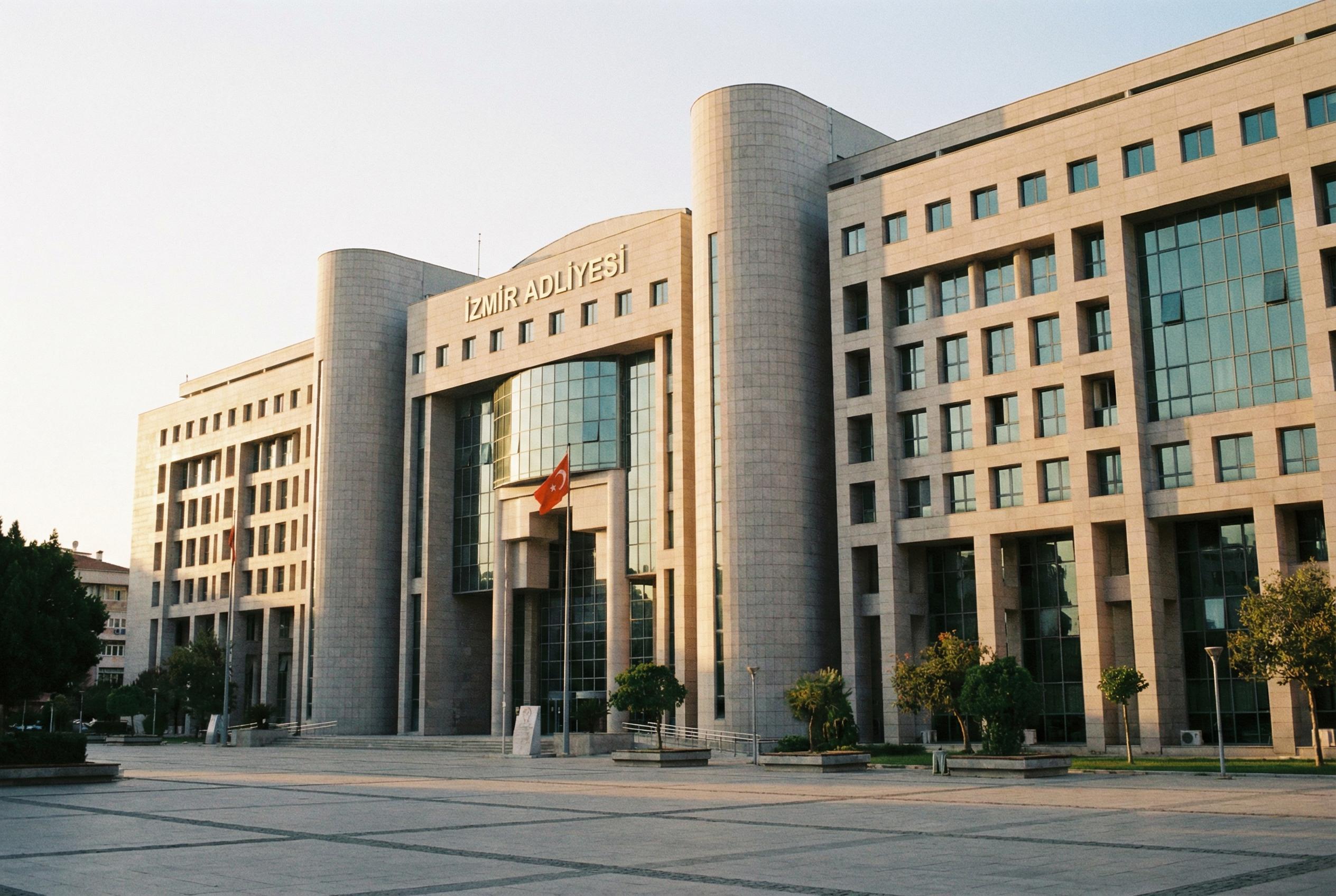
Shoppers are watching a trial that could reshape public life in Turkey: 11 Young LGBTI+ activists faced charges after posting images of same-sex couples kissing, a case that rights groups say tests free expression, risks prison and signals a wider clampdown on LGBTQ+ visibility.
Essential Takeaways
- Who’s on trial: 11 members and leaders of Young LGBTI+ are charged with “obscenity” and “violating the protection of the family.”
- Possible penalties: Convictions could carry up to three years’ imprisonment and suspension of civil rights, with activists also fighting an appeal seeking the group’s dissolution.
- What prompted it: Social media images of same-sex couples kissing were singled out by prosecutors as “obscene,” illustrating a crackdown on LGBTQ+ visibility.
- Wider context: Rights groups warn this is part of an escalating pattern of repression under President Erdoğan, following earlier draft legislation targeting LGBTQ+ expression.
- Local reaction: Amnesty International, ILGA-Europe and domestic lawyers call the charges absurd and demand they be dropped, noting the chilling effect on public life.
A courtroom charge that feels personal and visual
Photos can be private or political, and here a few images have become the fulcrum of a wider fight. The trial in İzmir centres on social media posts showing same-sex couples kissing , details that make the case visceral and easy for authorities to frame as “obscene”. That sensory image, a kiss, turns abstract rights debates into something the public can instantly picture. According to reporting by Euronews and regional outlets, prosecutors say those images undermine “family values”, while the defendants and their lawyer argue the activity is legal and constitutionally protected.
How this fits into a broader pattern of pressure
This case isn’t an isolated spat over decorum; it follows months and years of growing pressure on LGBTQ+ groups. Amnesty International has called the charges absurd and urged their immediate withdrawal, arguing the prosecution criminalises lawful advocacy and identity. Observers see echoes of earlier leaked draft laws that would have criminalised gender-affirming care and expressions of LGBTI identities, even if that draft was formally withdrawn. The episode looks like a test of existing laws: if authorities can successfully prosecute social media posts as obscenity, it sets a precedent for more sweeping restrictions.
The legal stakes: dissolution, jail time, and stripped rights
Beyond prison terms, activists face the prospect of losing civil capacities or seeing their organisation forcibly dissolved. That’s what an earlier court order attempted in December, and this trial dovetails with an appeal of that dissolution. For activists, the danger is twofold: individual punishments and institutional erasure. Human-rights groups warn that even without new legislation, reinterpretation of existing provisions can achieve the same silencing effect. Practically speaking, lawyers for Young LGBTI+ say the charges are a form of dehumanisation and a deliberate message to society.
Politics, optics and the Turkish-European relationship
Turkey’s treatment of LGBTQ+ citizens has become one of the most visible barometers of its democratic backsliding. Once, hopes of EU accession nudged Turkish governments toward more liberal public policies; that dynamic largely stalled after 2016, and critics say President Recep Tayyip Erdoğan now leverages socially conservative positions for political advantage. Analysts at Al-Monitor and others note that where once institutional ties to Europe moderated behaviour, today rights-related flare-ups are used domestically to rally conservative voters. The trial therefore has diplomatic as well as civic resonance.
What this means for activists and everyday people
For LGBTI+ Turks and allies, the case sends a clear warning: public visibility can carry personal risk. For defenders of free speech, it’s a test of whether constitutional protections will be upheld or eroded by selective prosecution. Rights groups advise practical steps , documenting incidents, seeking legal counsel early, and amplifying international attention , to blunt the chilling effect. If the trial results in convictions, expect a surge in appeals and international pressure; if charges are dropped, activists will still be navigating a fraught public environment.
It's a small change in law interpretation that could make every public display of identity riskier.
Source Reference Map
Story idea inspired by: [1]
Sources by paragraph: