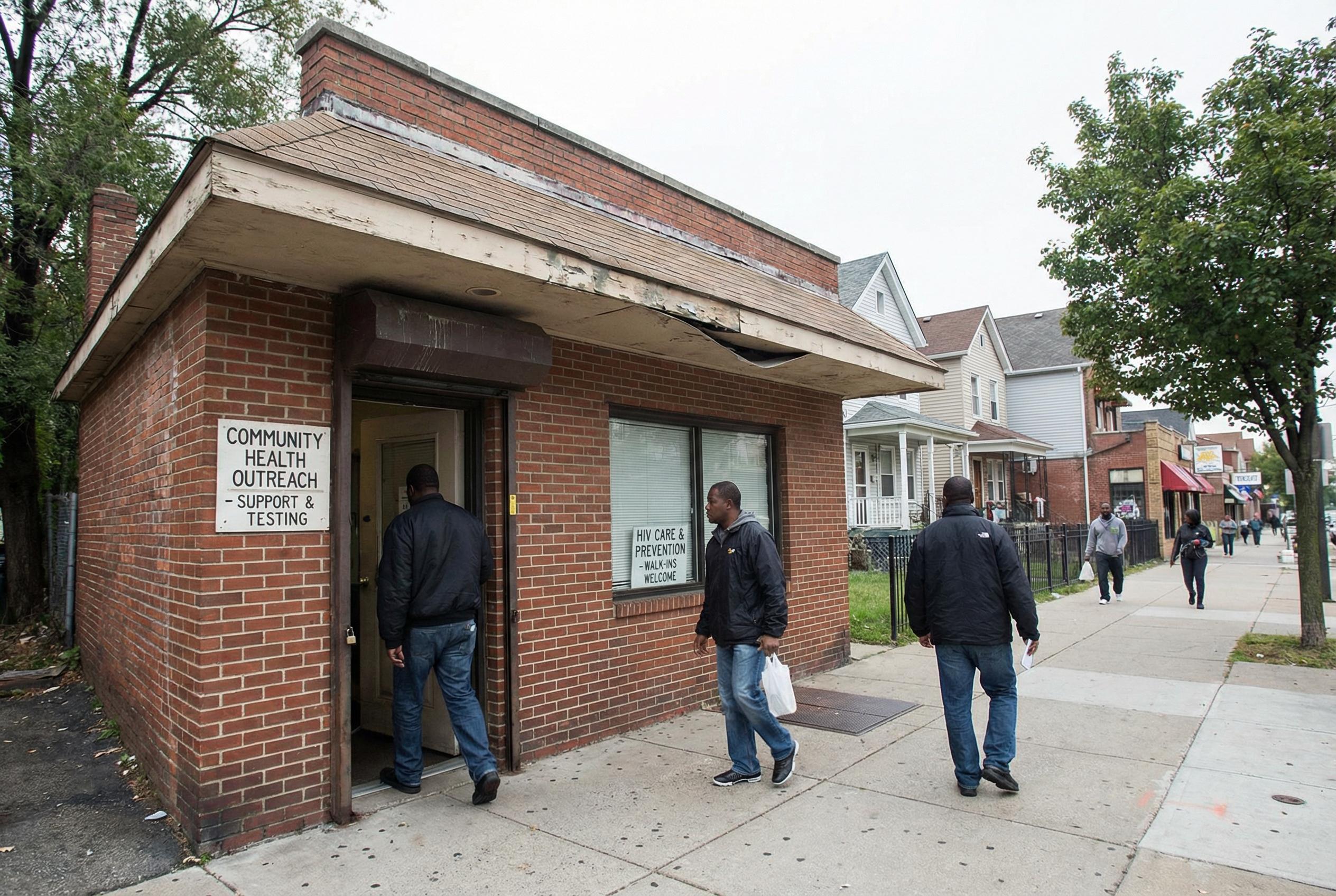
Shoppers, activists and advocates are sounding the alarm: proposed federal and state budget cuts threaten lifesaving HIV prevention and care in Black communities, and that matters because Black Americans carry a disproportionate share of the epidemic yet have the least access to tools like PrEP and consistent medical care.
Essential Takeaways
- Disproportionate burden: Black people make up a far larger share of people living with HIV than their share of the US population, with steeply higher diagnosis rates among Black gay and bisexual men and Black transgender women.
- PrEP gap: Despite being a key prevention tool, PrEP uptake is lowest among the people who could benefit most, often due to cost, awareness and gaps in outreach.
- Funding at risk: Cuts to federal and state HIV programmes threaten Ryan White services and small Black-led community organisations that reach the most vulnerable, causing immediate gaps in care.
- Real-world impacts: Interrupted treatment, insurance coverage gaps and stalled community projects can quickly translate into viral rebound and more transmissions.
- Community response matters: Local advocacy, clinic support and targeted education , particularly for Black women and people experiencing homelessness , are practical, effective countermeasures.
Why these cuts feel personal , and loud
When a recognisable figure shows up on Capitol Hill, it turns heads and makes a political squeeze feel immediate. Advocacy visits highlight a human truth: budget lines translate into clinic doors that open or shut. According to the CDC, Black Americans account for a far higher proportion of people living with HIV than their share of the population, and that disparity shows up in daily realities , from treatment access to local outreach. That gap is tangible, and for many it’s a lived emergency rather than an abstract ledger item.
PrEP works, but awareness and access are uneven
PrEP is one of the clearest prevention successes we’ve seen, yet uptake is lowest in the communities that need it most. Many Black women, for instance, aren’t being offered PrEP during routine care and may think it’s only for gay men. Public-health data confirm racial differences in who uses PrEP, and experts warn that cutting prevention budgets will deepen those divides. Practically, that means more targeted education in places people actually gather , churches, barbershops, group chats , and simple conversations that reframe PrEP as autonomy, not stigma.
Small community groups are the canaries in the coal mine
Large clinics may weather modest funding shifts, but small, Black-led community-based organisations are often the ones reaching people who fall through the mainstream safety net. When contracts disappear or grants are rescinded, programmes that go into the streets , meeting people where they are , stop. That translates fast into fewer tests, less outreach, and lost trust. Supporters and local funders can make a difference by prioritising these groups; otherwise the hardest-hit people will simply disappear from the care continuum.
What funding cuts actually do to people’s health
Cuts don’t just trim services on paper; they rupture continuity of care. For people living with HIV, losing access to the same provider or medication support can mean interruptions in antiretroviral therapy, viral rebound and higher risk of transmission. For those newly seeking prevention, reduced outreach and clinic hours make it harder to start PrEP or to be tested. Health leaders point out that treatment is prevention: undermining support systems risks undoing years of progress toward viral suppression.
Practical steps readers can take right now
You don’t need to be a policymaker to help. First, ask your local clinics which organisations are serving vulnerable populations and consider donating time or funds. Second, normalise conversations about PrEP in your networks , simple questions in a group chat or community meeting can change awareness. Third, check whether local services have sliding-scale options or patient navigators who can help with insurance gaps. And finally, contact representatives to express support for sustained HIV funding; collective pressure does make a difference.
It's a small but powerful set of choices that can keep prevention and care within reach for the people who need it most.
Source Reference Map
Story idea inspired by: [1]
Sources by paragraph: