Shoppers of stories and readers of change have noticed a shift: queer Dalit lives in India are far more visible than two decades ago, yet this visibility often fades or fractures. Who’s being addressed, where stories land, and how they circulate now determine whether recognition endures.
Essential Takeaways
- Legal vs cultural language: Legal battles required fixed labels like “gay” or “LGBT” for recognition, while activist spaces allowed looser terms such as “queer” that resist simplification.
- Visibility is uneven: Media, pride marches, and digital projects have expanded presence, but recognition often appears episodically and doesn't translate into lasting structural change.
- Access shapes address: High-profile launches and pricey zines can document exclusion while remaining unreachable to many; free digital platforms reach broader, more diverse publics.
- “Dual oppression” is limiting: Framing caste and sexuality as simply additive makes identities legible but risks erasing their deep entanglement and lived complexity.
- Collective archives matter: Zines and collaborative projects map multiple lives together, offering an alternative to singular, repeatably reintroduced figures.
Coming out depends on the audience, not the order
The most striking lesson is that coming out has always been directional: who you speak to shapes how you speak. Courts want stability, so legal filings favoured clear labels like “gay.” Activist writings, workshops, and zines invited riskier, more inventive vocabularies such as “queer,” which could entwine caste and sexuality in critique. This isn’t about which identity came first, Dalit or queer, but about which public one needed to be legible for. According to the history of cases and activism, strategic naming opened doors in some arenas while constraining nuance in others. Practically, if you need institutional recognition, pick recognised legal terms; if you want community critique, experiment with language that refuses neat boxes.
Visibility grew after 2018, but it isn’t stable
Since the reading down of Section 377 in 2018, queerDalit narratives multiplied across films, journalism, and social media; names and faces that were once local now travel. Yet that spread is jumpy. Visibility spikes at Pride, in a feature, or after a viral essay, then recedes. Journalism helps by archiving moments, but it also selects which lives become emblematic and which remain footnotes. The takeaway: more platforms are necessary but not sufficient. For deeper change, visibility must be accompanied by institutional commitment, funding, distribution, and policy shifts that don’t depend on episodic attention.
Pride amplified caste claims, but energy dispersed fast
Pride marches offered a stage where bodies, slogans and presence mattered more than courtroom language; caste started to appear in placards and speeches in ways not seen before. Still, parade intensity rarely converted into permanent structures. Some cities saw coordinated naming of caste; others offered isolated moments. The result: pride can interrupt complacent narratives, but organisers and allies must work afterwards, turning episodic assertion into ongoing organising, local chapters, or community funds so that momentum doesn’t evaporate when banners are packed away.
Media’s archive is powerful and partial
Journalism and cultural production have made queer Dalit stories retrievable, yet the pattern of repetition can be exhausting: the same figure is reintroduced time and again as if audiences forgot the last profile. Films and streaming content expand imagination, but casting, authorship, and production choices often remain in the hands of dominant groups, shaping representation. When stories become testimony rather than analysis, they risk being consumed as singular acts of empathy rather than as arguments about systems. Editors and creators should ask: who’s producing this story, who benefits financially, and how can distribution meet the communities represented?
Digital formats and collective projects point to durable recognition
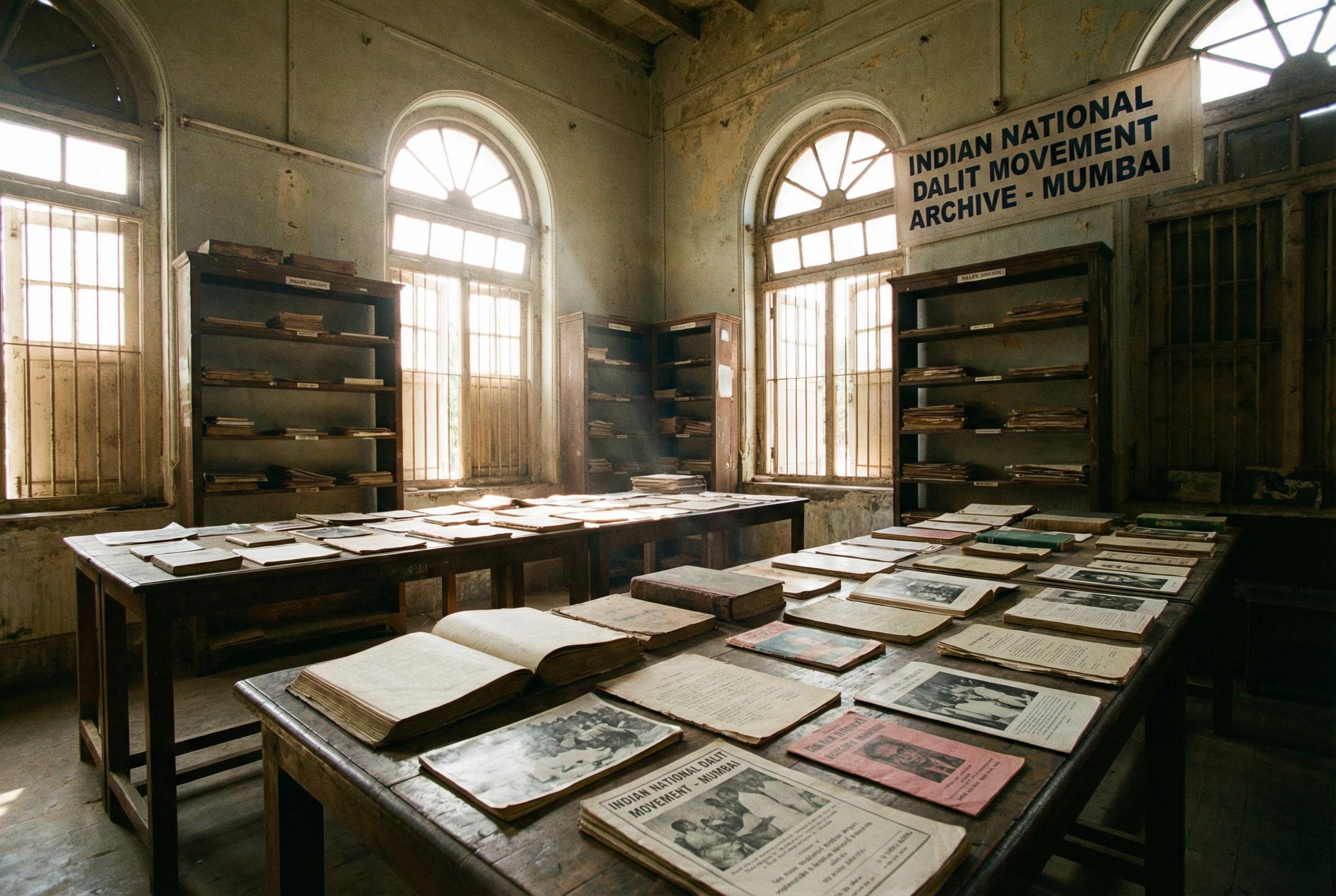
Projects such as community zines and accessible digital platforms show a different path. Aggregating multiple narratives, rather than spotlighting one representative figure, builds archives that can sustain collective memory. At the same time, choices about launch venues and price tags matter: an English-language zine sold at an upscale launch might document exclusion but still address an elite public. Conversely, illustrated online narratives that circulate free can reach a wider audience and invite more people to recognise themselves. Practical advice for creators: publish in multiple languages, offer digital copies, and mix accessible launches with community-based rollouts.
Rethink “dual oppression” and design for entanglement
The familiar shorthand of “dual oppression” is politically useful but analytically thin. Caste, gender, sexuality, labour and language are co‑constitutive, not merely additive. Treating them as separate risks producing legible but shallow narratives. For activists, scholars, and artists, the challenge is to craft work that shows entanglement, policy briefs that link caste-based labour exclusion to queer survival strategies, or films that foreground the everyday ways caste mediates intimacy. That deeper framing is harder to pitch to mainstream outlets, but it’s what strengthens recognition beyond sympathy.
Closing line
If visibility is now easier to achieve, the task ahead is to make it travel, and stay, across courts, streets, screens and communities so recognition becomes durable, not just momentary.
Source Reference Map
Story idea inspired by: [1]
Sources by paragraph: