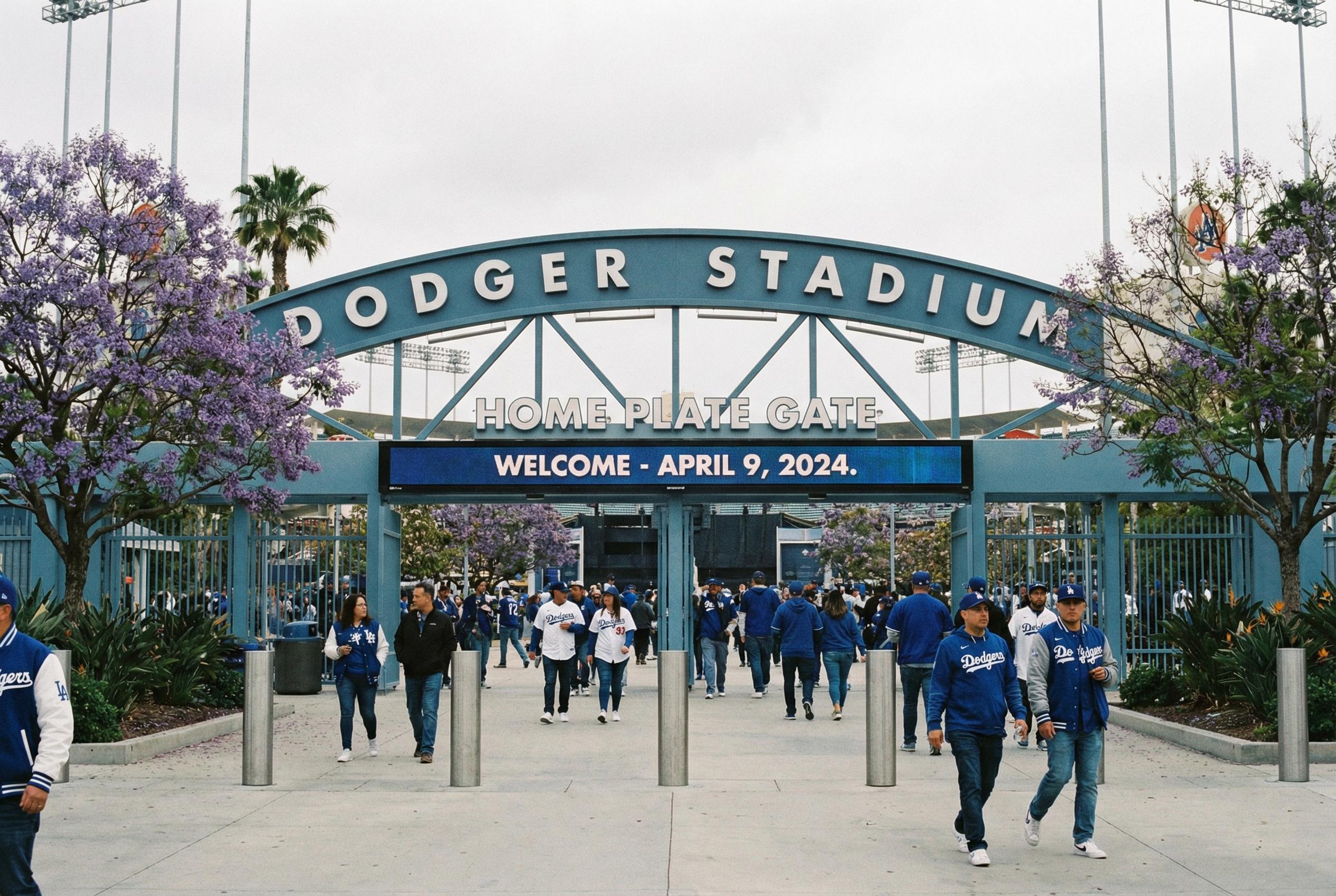
Shoppers are turning to remembrance as a quiet but powerful call grows: mark April 9 as Glenn Burke Day across Major League Baseball. Fans, historians and LGBTQ advocates say celebrating the first known gay major‑league player matters , for truth, for repair, and because his story still echoes in clubhouses and streets.
Essential Takeaways
- Who he was: Glenn Burke debuted for the Los Angeles Dodgers on April 9, 1976, now widely recognised as the first known gay man to play in MLB.
- Cultural touchstone: Burke is credited with inventing the high five, a small, joyful gift the world still uses.
- Why it matters: Burke’s career was cut short amid homophobia from management, not teammates, and he later died after years of hardship.
- Present gap: MLB currently has no league‑wide observance for Burke, and there remain no openly gay active players in the majors.
- Practical ask: Advocates want an annual, league‑wide Glenn Burke Day , not tokenism, but honest remembrance and institutional change.
Why April 9 feels like obvious timing
April 9 is the date Burke first took the field for the Dodgers, a vivid, local‑to‑major‑league moment with emotional resonance. The day is already a neat narrative hook , it’s when a young outfielder from Oakland announced himself in the bigs, quietly changing what baseball could be.
Outsports recently argued that the league’s silence on that anniversary is telling, and you can see why. Baseball commemorates Jackie Robinson every April 15 with league‑wide uniform and ceremonies. Honouring Burke on April 9 would mirror that rhythm, offering a chance for public acknowledgement and institutional reflection.
If teams adopted a Glenn Burke Day, it wouldn’t have to be performative. Think panels with historians, survivor testimonies, or youth outreach. Small gestures , a moment of acknowledgement in every stadium , would already be a step forward.
What happened to Burke and why it still stings
Burke’s teammates reportedly treated him with warmth; it was the men in suits who made life impossible. Accounts from the era say the Dodgers offered Burke a sham marriage, managers reacted with hostility, and the Athletics’ environment was openly abusive.
Those decisions ended what might have been a much longer, more celebrated career. Burke left baseball aged 27, later endured drug problems, homelessness and a fatal illness. His life after baseball is heartbreaking, but it’s also a sharp reminder that institutional actions have human costs.
The point isn’t to relitigate private feelings from the 1970s, it’s to look candidly at how organisations responded then , and whether they’ve truly learned since. A thoughtful league observance would be one concrete way to confront that legacy.
The high five: tiny invention, big symbolism
You can hold a lot of meaning in a raised hand. Burke’s toss‑and‑slap with Dusty Baker in 1977 became the high five, a fleeting moment that turned into a universal greeting. Encyclopaedia entries and multiple histories credit that origin, which is both charming and symbolic.
That gesture is why Burke matters beyond baseball trivia: it shows how queer athletes have quietly shaped culture. Celebrating April 9 would let the league point to something simple and joyous that came from an often painful life , a balance that could humanise the story rather than sanitise it.
If MLB wants to use Burke’s legacy as a bridge, start with the high five: museum displays, short films before games, or community events that teach the story alongside the gesture.
Where baseball stands now: progress, yet absence
There are a few post‑career disclosures , Billy Bean, T. J. House , but still no openly gay active player in the majors. Former MLB diversity officers have explained why coming out is also a career calculation: players worry about roster instability, trades and the lack of long‑term trust that comes with modern churn.
Baseball’s unique spatial solitude , players often operate in isolation on the field , may also shape the psychological environment for coming‑out decisions. That’s a thoughtful point to consider, even if it’s not the whole answer.
A league‑wide Glen Burke Day wouldn’t magically change personal risk calculus, but it would send a signal. If every clubhouse saw the league publicly reckon with this history each April, it could chip away at the isolation players feel.
How fans and teams could make a meaningful ritual
If you want this to be more than a photo op, keep these simple rules in mind. First, centre Burke’s voice and the testimony of those who knew him , historians, teammates and advocates , rather than a corporate script. Second, pair acknowledgment with tangible support: funding for LGBTQ youth baseball programmes, expanded mental‑health resources, and anti‑discrimination training for staff. Third, avoid token gestures; use the day to educate, not just to brand.
Fans can help too. Bring signs that tell short truths, share Burke’s story on social channels, support community screenings, or lobby local clubs to host Glenn Burke events. Small, sustained pressure changes culture.
MLB could follow its own precedent: if Robinson gets a league‑wide honour, so can Burke. It’s about honesty more than equivalence , admitting the sport failed him and trying to make amends.
It's a small change that can make every high five mean a little more.
Source Reference Map
Story idea inspired by: [1]
Sources by paragraph: