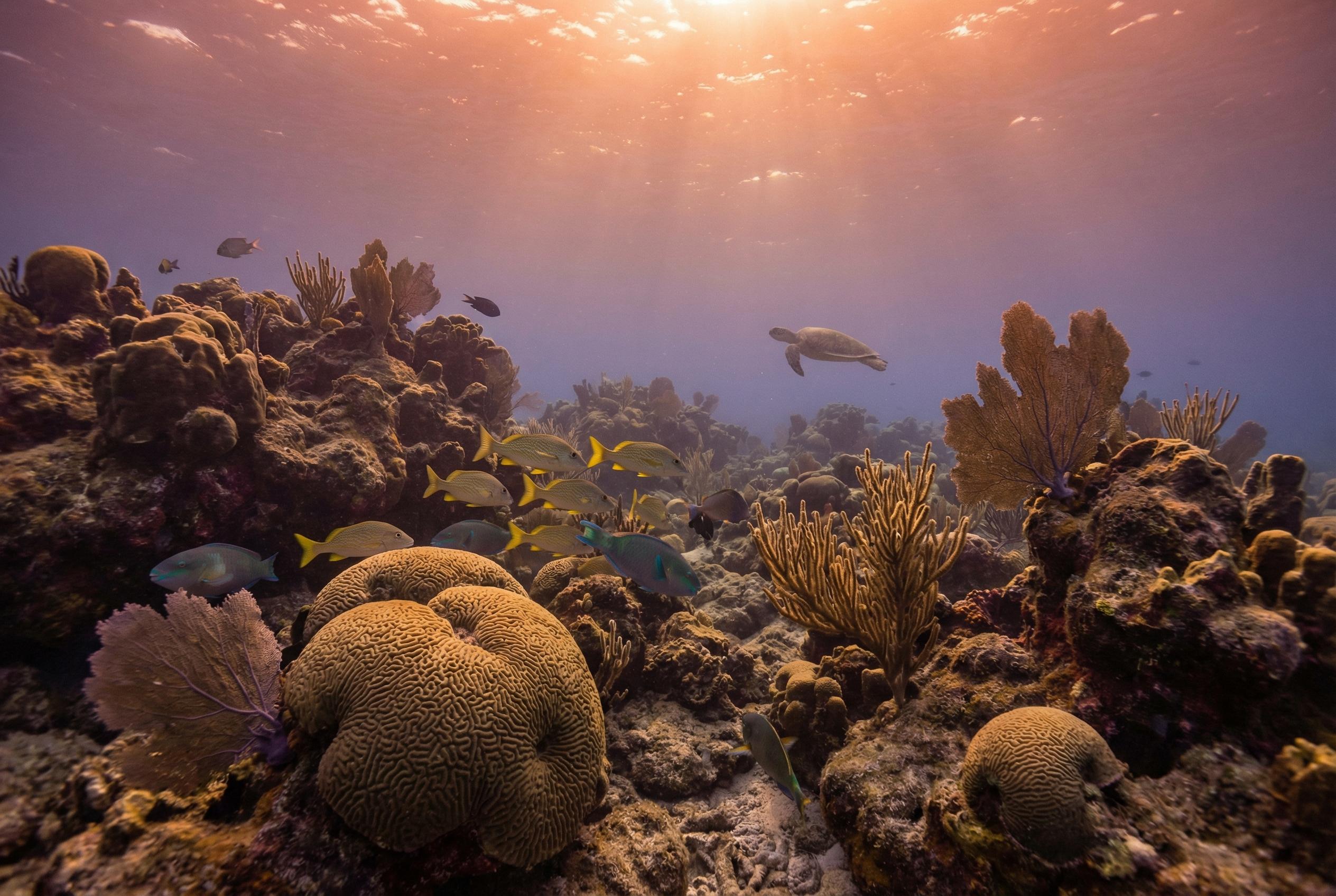
Shoppers are turning their attention underwater: Neon Reef, debuting at the Miami Film Festival, follows two South Beach residents who’ve helped revive a surprisingly vibrant stretch of the South Florida Reef Tract, and shows why community-led conservation matters for reefs, climate and coastal culture.
Essential Takeaways
- Local heroes: Two Miami residents, Patrick Breshike and David Grieser, became grassroots reef guardians after discovering rich coral life near South Beach.
- Queer angle: Neon Reef blends activism with queer community life, spotlighting diversity among citizen scientists and eco-advocates.
- Resilient reef: The South Florida Reef Tract shows pockets of recovery despite past dredging and ongoing stressors.
- Practical call: Community monitoring, advocacy and simple coastal behaviours help protect shallow reef habitats from poaching and damage.
A bright, unusual nature doc that feels like Miami itself
Neon Reef opens with sun-slashed surf and the kind of swimwear that screams South Beach, then quickly dives into something unexpectedly tender and hopeful: a coral ecosystem that’s hanging on. The film’s colours are vivid , neon coral, turquoise shallows, and the garish glamour of its protagonists , and that contrast gives the story real bite.
According to festival listings and early coverage, the film mixes portraits of daily life with intimate footage of the reef, creating a portrait of place that’s both sensual and civic. It’s a reminder that conservation stories don’t have to be solemn; they can be celebratory, irreverent and full of character.
Why this particular reef matters , and how it survived
Florida’s reefs have a complicated history. Mid-century dredging and coastal development hammered nearshore coral, and scientists note that the wider reef system still struggles with recovery from repeated disturbances. But the South Florida Reef Tract contains stretches that are surprisingly biodiverse, especially in shallow nearshore areas that escaped wholesale destruction.
Conservation groups and researchers point to a mix of factors behind these pockets of resilience: local stewardship, reduced direct physical impacts in some zones, and pockets of strong coral species. That’s why grassroots efforts , like community patrols and citizen science , can make a tangible difference at the scale of a neighbourhood reef.
Meet the reef guardians: community power in action
The heart of Neon Reef is the partnership of Patrick and David, who started paddleboarding during lockdown and wound up exploring the shallows in scuba gear. What began as curiosity quickly became activism: they formed an informal network, lobbied local politicians, and encouraged neighbours to watch over the reef.
Their approach is practical. Beachgoers can learn simple habits , don’t anchor on coral, report illegal collecting, keep a respectful distance , that reduce harm. Likewise, local advocacy can push for better enforcement and protection measures. The film shows how personality plus persistence beats helplessness.
Scientists, mermaids and a coalition of caretakers
Neon Reef doesn’t only follow a couple of charismatic volunteers. It brings in queer coral scientists, female divers, and even an “eco-mermaid” who highlights recreational connections to the sea. That diversity matters visually and strategically: varied voices help explain technical issues, like why turf algae can trap reefs in a slow-recovery rut, and why coordinated action is needed.
According to conservation organisations working in Florida, reefs often languish because algae outcompete coral after disturbance; reversing that trend requires addressing water quality, fishing pressure and physical damage. Community teams that monitor conditions and share data can amplify formal science and speed up practical fixes.
What to watch for at the festival , and afterwards
Neon Reef premieres at the Miami Film Festival with a live Q&A featuring the director and subjects, plus a themed bike ride led by Patrick and David , a very Miami way to turn a screening into an event. If you can’t make the premiere, the film is scheduled for the Miami-Ft. Lauderdale OUTshine programme and a virtual festival run shortly after.
For viewers, this is more than a pretty nature short; it’s a how-to in community conservation. Look out for scenes that show everyday stewardship, clear explanations from researchers, and the small gestures that add up , reporting poachers, choosing reef-safe sunscreen, and supporting local advocacy.
It's a small change that can make every snorkel and paddle safer for coral.
Source Reference Map
Story idea inspired by: [1]
Sources by paragraph: