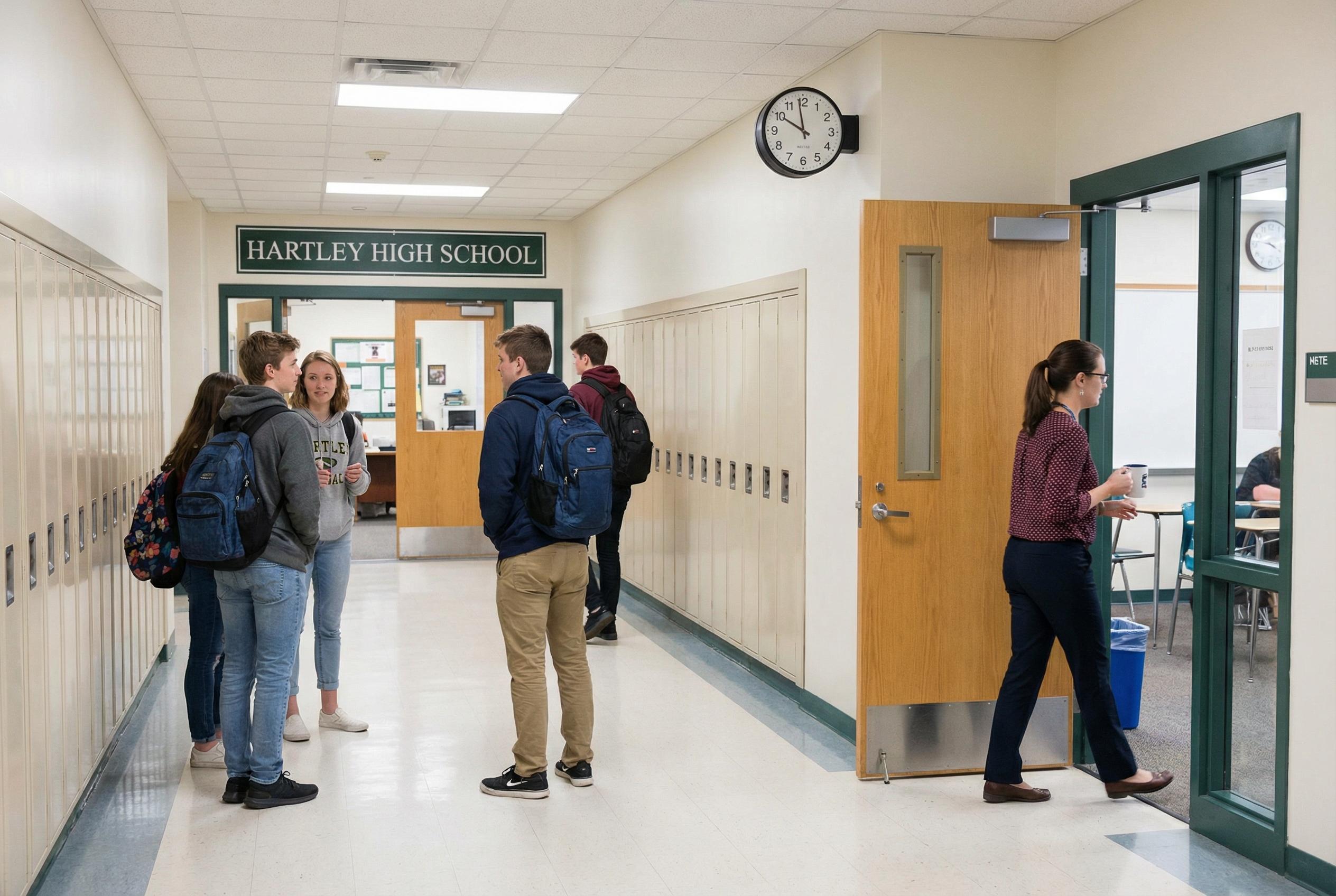
Shoppers of streaming time are flocking to Heartbreak High , the Aussie teen drama that’s dropped its third and final series and doubled down on queer, neurodivergent and polyamorous storylines. Here’s why viewers say it feels authentic, why it matters for Gen Z representation, and how writers might learn from its example.
Essential Takeaways
- Bold queer centre-stage: Heartbreak High places multiple LGBTQIA+ characters at the heart of its plots, not as side notes.
- Everyday normalisation: Sexuality often isn’t the conflict , characters live full, messy lives where queerness is ordinary.
- Neurodivergent representation: The show gives autistic characters textured emotional lives and sensory detail, not just labels.
- Polyamory and asexuality shown with nuance: Relationships like Darren and Ca$h are complex and human, not fetishised.
- Fan response is strong: Viewers online praise the series for filling gaps in on-screen diversity and relatability.
Why Heartbreak High feels like a generational shift
The opening scene of any episode now carries a lived-in, slightly chaotic warmth; you can almost hear locker doors clanging and teenagers trading barbed affection. According to reviews and fan reactions, that authenticity is the point , the show treats queer identity as a facet of life rather than the whole story. Industry coverage credits the reboot with turning a 90s format into something that genuinely reflects how Gen Z teenagers speak, act and form relationships. If you’re tired of stereotyped coming-out arcs, this feels refreshingly different.
Queerness normalised, not sensationalised
A big leap here is how sexuality is woven into ordinary plots. Characters are queer, yes, but they’re also dealing with exams, reputation, and messy friendships , the show rarely reduces them to "the gay friend." Critics and comment pieces have noted that this approach makes representation feel organic rather than tacked on. For viewers, that means fewer trigger moments and more quiet recognition: being queer simply exists in the world of Hartley High.
Nuance in polyamory and asexuality , why it matters
One of the season’s standout threads involves Darren’s polyamorous relationship with Ca$h, whose background as an ex-eshay adds texture rather than a stereotype. Shows often skim over non-monogamy and asexual experiences, but here they’re given space to be complicated and lived-in. That complexity helps viewers understand that relationships aren’t one-size-fits-all, and that attraction and connection can look very different from conventional TV romances.
Neurodivergent characters that feel fully human
Quinni’s portrayal as an autistic lesbian brings sensory moments and emotional friction to the foreground, rather than treating autism as a checklist. With the actor herself being autistic, the performance lands with authenticity that critics and specialised outlets have praised. The result: scenes that show sensory overload, miscommunication, and adaptive strategies, which many viewers , neurodivergent or not , find both illuminating and relatable.
New characters and visibility without the “big reveal”
Introducing Taz in the latest series is a smart move: her sexuality isn’t a cliffhanger or an episode-long reveal, it’s just part of who she is. This mirrors a wider trend in contemporary TV where younger characters don’t always need a coming-out episode to validate their identity. Reviewers say that removing the drama around disclosure can be revolutionary in itself, especially for viewers who rarely see their ordinary lives reflected on screen.
What writers and producers could borrow next
If the industry wants to learn from this show, the takeaway is to build characters first and identities second. Give queer, neurodivergent and non-traditional relationships the room to be mundane, contradictory and funny. Practical tips for creators: cast authentically when possible, consult communities represented on screen, and resist the urge to make diversity the plot’s only purpose. The payoff is clear , audiences respond when they see themselves, flaws and all.
It's a small change that can make every story feel more truthful and inclusive.
Source Reference Map
Story idea inspired by: [1]
Sources by paragraph: