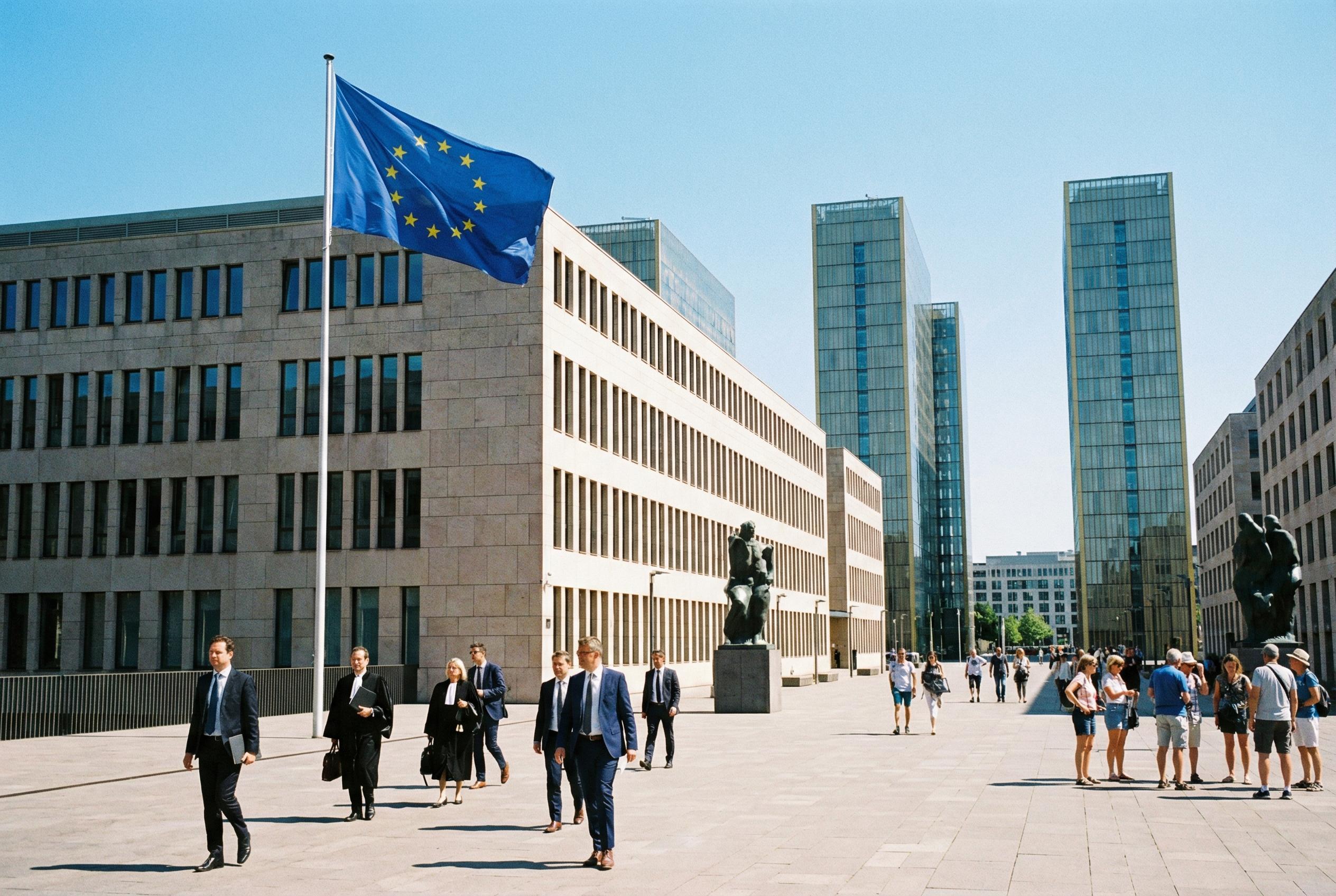
Shoppers of justice and ordinary couples alike are watching a landmark EU court ruling reshape how same-sex marriages are recognised across the bloc; this matters because it can speed up legal protections for families, limit discrimination at borders, and push reluctant governments to follow the law.
Essential Takeaways
- Major legal shift: The European Court of Justice ruled that EU countries must recognise same-sex marriages conducted in other member states, even if national law does not allow such unions, creating practical protections for cross-border families.
- Immediate impacts: Couples can now seek rights linked to freedom of movement and family life , for instance residency and spousal benefits , with clearer legal backing.
- Political friction: The ruling comes amid rising populist and anti-LGBTQ+ measures in parts of Europe, so implementation will be uneven and politically charged.
- Practical feel: Expect initial confusion for employers and local authorities, but also quicker, court-backed routes to recognition for couples.
- Watchpoints: National courts, administrative agencies and EU institutions will be key in enforcing the judgment; NGOs and lawyers remain crucial allies.
Why the ECJ decision matters now
The European Court of Justice has set a clear, tangible standard: when one EU state legally marries a same-sex couple, other member states must recognise that marital status for the purposes of EU law, notably freedom of movement and family life. That’s a practical, not just symbolic, change , partners can rely on legal rights rather than ad hoc goodwill when moving within the EU, and the ruling gives lawyers a strong precedent to work from. According to coverage in Euronews, the decision directly addresses cross-border legal limbo many couples have faced and is already being cited in national cases.
How this changes life for couples on the move
For binational or intra-EU couples, the ruling cuts through a lot of uncertainty. If your marriage is valid where it was performed, you can press for recognition of residence rights, social benefits and family protections elsewhere in the EU. Poland’s recent administrative-court decision to recognise foreign same-sex marriages followed precisely this logic, showing how national judiciaries are responding to the ECJ ruling. In practice, expect faster administrative decisions for visas and family reunification, though some local offices may still resist at first.
The ruling amid a pushback on LGBTQ+ rights
This legal win lands against a backdrop of worrying trends. ILGA-Europe and other monitors have documented anti-LGBTQ+ laws and rhetoric hardening in parts of Europe, from restrictions on assemblies to tougher rules on NGOs. The ECJ judgment is therefore both a shield and a prompt: it protects individual couples while spotlighting governments that are drifting away from shared EU values. Coverage in The Guardian and Jurist highlights that the court’s decision is a rebuke to states resisting recognition and a reminder that EU law can override national obstruction in certain areas.
Politics, courts and the tug-of-war over implementation
Expect a patchwork rollout. Some member states will implement the ruling quickly and with little fuss; others will be slower or legally inventive in limiting its effects. That’s already visible in Poland where political opposition to same-sex marriage remains strong despite court defeats; national courts and administrative bodies will be battlegrounds for months, if not years. The Vatican and other European institutions have reacted publicly, underlining how the decision has broader social and political reverberations beyond legal texts.
Practical steps for couples and advisers
If you’re part of a same-sex couple married in one EU state and seeking recognition elsewhere, start by gathering your marriage certificate and any translations, then reference the ECJ judgment in communications with immigration or social-security offices. Legal clinics, NGOs and firms experienced in EU law can help expedite claims , Poland’s example shows strategic litigation works. Employers should also update HR policies to reflect the new legal landscape, and civil-society groups should keep pressure on national authorities to follow through.
It's a small change in law that could make a big difference to daily life for many couples.
Source Reference Map
Story idea inspired by: [1]
Sources by paragraph: