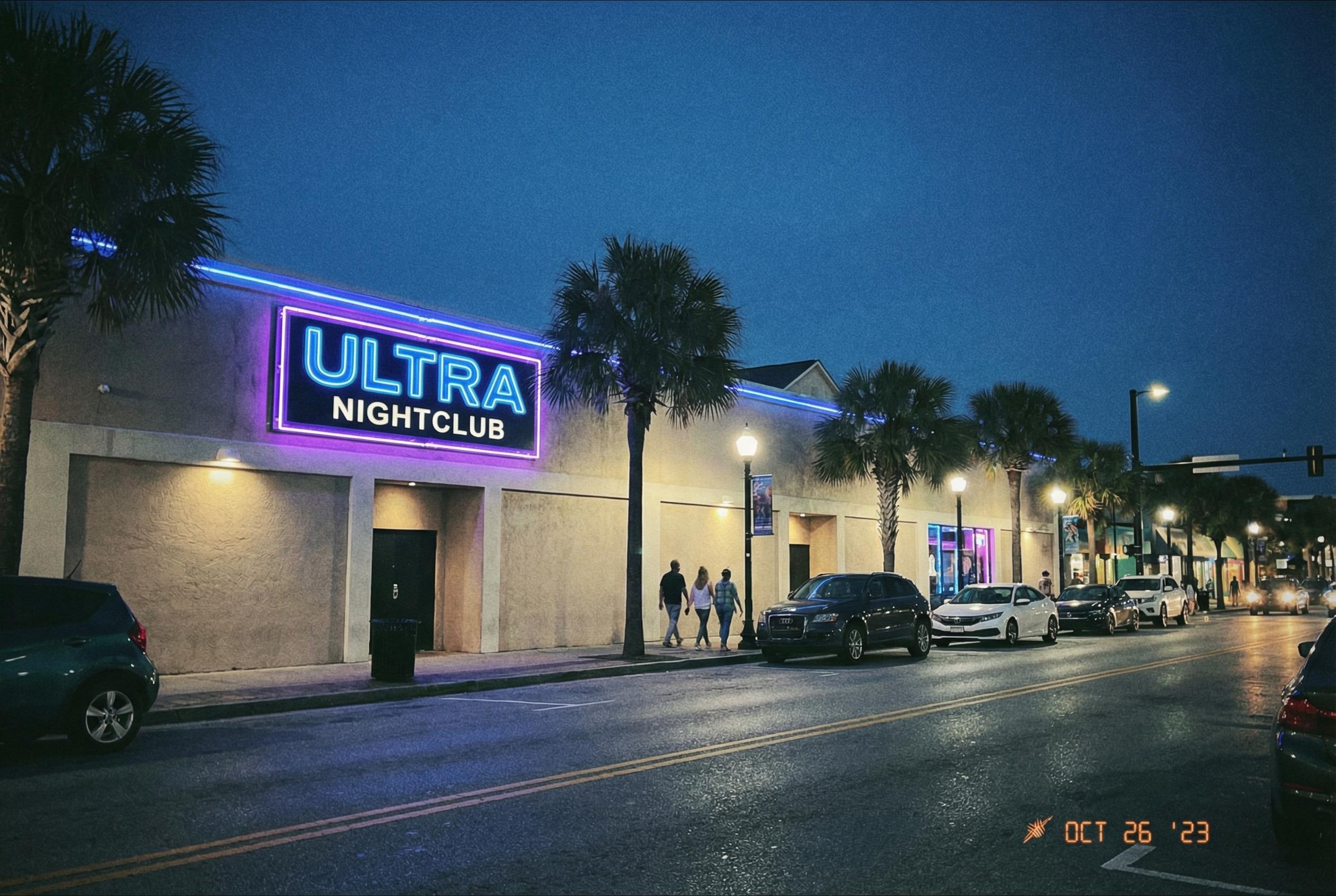
Shocked residents are asking questions after a targeted attack near an LGBTQ+ nightclub in Myrtle Beach; the suspect now faces federal hate crime charges, and the case is fast becoming a focal point for calls to better protect transgender and queer communities.
Essential Takeaways
- Incident: Shots were fired near Ultra Nightclub in Myrtle Beach, wounding a transgender woman and terrifying patrons; authorities say the attack was intentional.
- Charges: Federal hate crime and intimidation counts have been brought against 24-year-old Edward Barefoot, according to prosecutors.
- Location impact: The shooting invaded a space meant for safety and celebration, leaving local queer communities shaken and organisers urging vigilance.
- Officials’ response: The Justice Department and U.S. Attorney’s office have publicly condemned the violence and pledged prosecution.
- Community mood: There’s grief and resolve, advocates want stronger protections, more community resources, and clearer safety plans for venues.
What we know about the attack and the alleged motive
Authorities say the shooting was not random; the victim was targeted because of her gender identity, which has escalated this from a local criminal case to a federal hate crime prosecution. Reports describe a tense scene outside Ultra Nightclub where patrons fled and staff tried to help the injured person. The idea that someone would seek out a known queer venue to commit violence feels chillingly personal, and it’s why federal prosecutors stepped in quickly.
Federal leaders have been explicit. According to the Department of Justice, this is being treated as a hate-motivated act, and Assistant Attorney General Kristen Clarke has underlined that such violence will be pursued aggressively. That federal attention matters because it signals a broader commitment to protecting marginalised people when local resources or laws might not be sufficient.
How local venues become both refuge and target
Nightclubs like Ultra have long been sanctuaries for LGBTQ+ people, places to relax, dance and be visible without fear. When violence slips into those spaces it does more than harm an individual; it fractures a community’s sense of safety. Owners and patrons told local outlets they felt the club had always been a sanctuary, making the attack feel especially violating.
This pattern isn’t new. Coverage in outlets including The Advocate and PinkNews has highlighted how queer spaces can be singled out by perpetrators who want to make a statement. For venue operators, that means balancing celebration with security, better lighting, trained staff, and a clear plan for emergencies can’t be optional anymore.
The legal pathway: hate crime charges and federal involvement
Bringing hate crime charges raises the stakes and changes the legal playbook. Federal hate crimes require prosecutors to show the attacker selected a victim because of a protected characteristic, which is why investigators focused on motive and statements made at the scene. U.S. Attorney Adair F. Boroughs has voiced support for a robust prosecution, signalling prosecutors will seek accountability beyond state-level charges.
For survivors and families, federal cases can feel more consequential because they carry a broader moral message about civil rights. But they also take time; evidence must be carefully gathered and legal standards met. Meanwhile, advocates are pressing for swifter protections and clearer pathways to community support while cases wind through the courts.
Community response: grief, rallies, and calls for change
Myrtle Beach residents and LGBTQ+ organisations moved quickly to support the survivor and each other. Friends and local activists have organised vigils, and national groups have amplified the story to pressure officials into action. That grassroots response is both practical and symbolic, a show of solidarity that can help heal trauma and keep public attention on the case.
Advocacy groups are also asking for concrete policy changes: more funding for anti-violence programmes, training for law enforcement on trans issues, and enhanced safety measures for nightlife venues. Those proposals speak to the long-term work needed so resilience isn’t the only answer when communities face targeted hate.
Practical safety tips for venues and patrons
If you run or visit queer nightlife venues, there are sensible steps that can reduce risk without dimming the mood. Ensure staff are trained in de-escalation and first aid, have clear communication plans for emergencies, use exterior lighting and cameras, and consider professional security for larger events. Patrons should stay aware of exits, look out for one another, and report suspicious behaviour to staff or police quickly.
Remember, these measures aren’t about living in fear; they’re about protecting the joy and community those spaces provide.
It's a small change that can make every night out safer.
Source Reference Map
Story idea inspired by: [1]
Sources by paragraph: