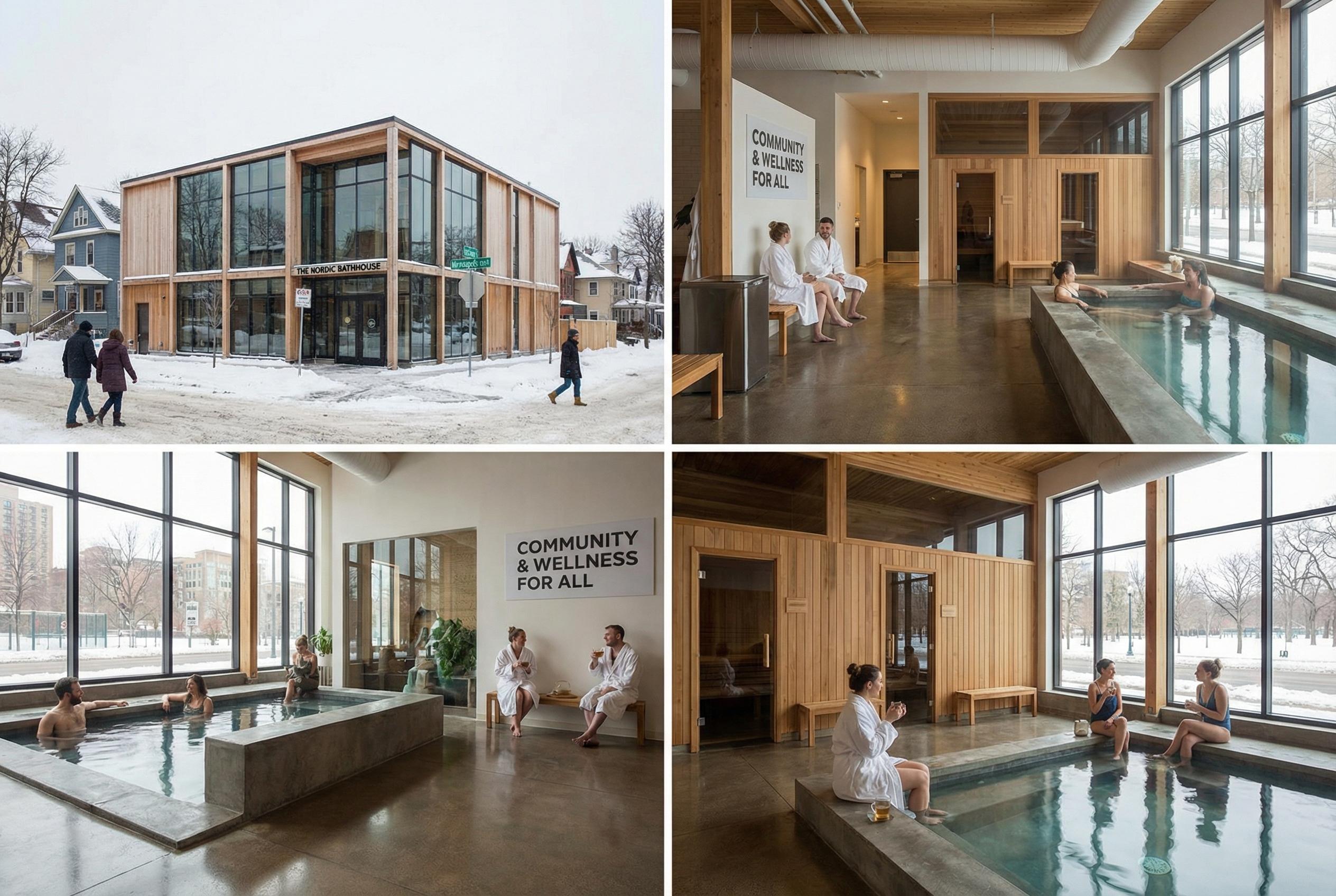
Shoppers and community members are talking , Minneapolis is weighing whether to legalise adult bathhouses, a move city leaders say could boost public health, safety and queer gathering spaces after nearly 40 years. Here’s what’s on the table, who’s pushing for change, and what it could mean for the city.
Essential Takeaways
- What’s proposed: Four ordinances would create licensing, zoning, health and indecency-code updates to allow adult sex venues in Minneapolis.
- Why now: Advocates say bringing sex-positive spaces above ground improves safety, testing and community connection.
- Historic context: The last bathhouse closed in 1988 amid the AIDS crisis; the 1988 ban has been partly rewritten but full legal pathways remain blocked.
- Practical effect: If passed, venues would need to meet licensing and public-health rules, which could normalise safer-sex practices and reduce underground gatherings.
What exactly is on the council agenda?
Minneapolis City Council members are reviewing four distinct ordinances that together would legalise and regulate adult sex venues rather than simply overturning the old ban. The package outlines a licensing framework, updated zoning rules, health and sanitation standards and revisions to indecency law to carve out legal space for consensual adult sex in commercial settings. According to CBS News, the approach is methodical: lawmakers want clear rules instead of a vague repeal that could leave operators and patrons in legal limbo. For residents that conjure images of dim saunas and tiled benches, the finer details will matter , location, operating hours and explicit health requirements will shape what actually opens.
Why advocates pushed this now
Local groups like the Safer Sex Spaces Coalition, along with organisations such as the Aliveness Project and OutFront MN, have been lobbying for change for years. They argue these venues are not just about sex but about community safety and public health , places where HIV testing, condoms and information can be normalised. The coalition’s FAQ points to social-science research showing commercial sex spaces can bolster HIV prevention and reduce harm, while also countering isolation among queer people. Council member Jason Chavez framed it as a corrective to a history of criminalisation, noting that policing and exclusion harmed communities for decades. The timing feels intentional: in a political moment with rolling back of LGBTQIA+ rights at higher levels, city-level protections can feel like practical resistance.
How this compares with the past and other cities
The last recognised bathhouse in Minneapolis closed in 1988 as the AIDS crisis intensified and authorities cracked down on sex-related spaces. Since then, the activity continued, but often underground and without the public-health safeguards advocates now want. Other US cities and international municipalities have experimented with regulatory models for adult venues, balancing zoning limits with health oversight. This Minneapolis effort isn’t a free-for-all; the proposed ordinances create a regulatory scaffolding that aims to keep spaces safe and contained. That matters if you’re worried about community impact: well-drawn zoning can prevent venues from clustering near schools or family neighbourhoods while allowing them to operate openly elsewhere.
What would change for patrons and neighbours?
If the licences are granted, patrons would likely see venues that must follow health standards, offer safer-sex supplies and perhaps partner with local clinics for testing and education. For neighbourhoods, the visible shift from clandestine meet-ups to licenced businesses could reduce surprise or alarm, because the activity occurs under known rules. Of course, not everyone is on board , some community comments posted online show confusion over what a bathhouse actually is, and others express moral objection. Policymakers will have to balance those reactions with empirical public-health benefits and civil-liberties arguments. Practically, those thinking about visiting should expect clear rules on admission, conduct and health measures; those concerned about location can follow the zoning debates closely.
What happens next , and why it matters
The council’s review is the next step in what advocates hope will become a full, legal option for queer social life and safer sexual encounters. If the ordinances pass, Minneapolis would be among a small but growing set of cities treating adult sex venues with regulation rather than prohibition. That shift rewrites a part of the city’s history , moving from criminalisation during a public-health emergency to a model that treats sex as a matter of safety and community care. Whether you’re curious, supportive or worried, this proposal forces a public conversation about how cities manage intimate life while protecting health and rights.
It’s a small change in law that could mean a big difference in safety and community for many people.
Source Reference Map
Story idea inspired by: [1]
Sources by paragraph: