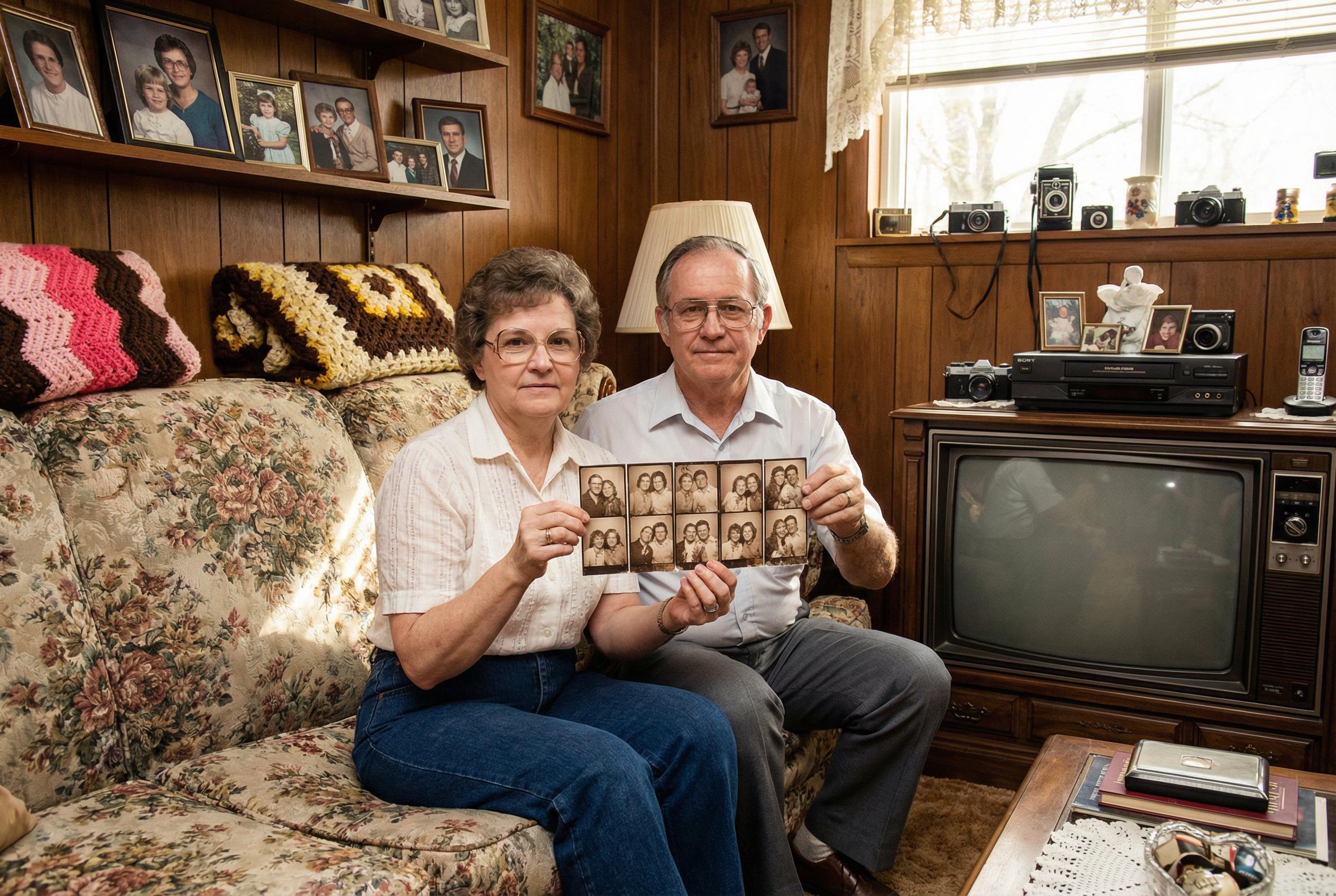
Shoppers of nostalgia and fans of real romance have been delighted by a viral clip of Dick and Duane, a married couple of 44 years whose photo‑booth habit captures why small rituals matter , it’s a visual love story that ties queer history, memory, and everyday joy into one striking strip.
Essential Takeaways
- Longstanding ritual: Dick and Duane have taken photo‑booth pictures together for decades, creating a visual archive of their relationship that feels intimate and joyful.
- Emotional resonance: Their video prompted heartfelt responses from people mourning lost partners and celebrating long marriages; the images carry deep emotional weight.
- Historical context: Photo booths have been a discreet, cherished space for LGBTQ+ people since mid‑century, when privacy and safety were scarce.
- Practical tip: Take lots of photos , small, candid rituals can become priceless records of life together and comfort in later years.
A tiny box, a huge heart: the viral appeal of the Photo Booth Boys
The clip of Dick and Duane struck a nerve because it’s tactile and simple , you can almost hear the click and see the faded strips. Their habit began early in their courtship and grew into a decades‑long ritual, a visual diary that charts haircuts, fashions, and the steadying presence of a partner. According to coverage of their videos, viewers flooded the comments with memories and gratitude, which shows how a small tradition can feel like a giant gift to strangers as well as loved ones.
Why photo booths matter to queer history
There’s a deeper history behind the charm. As several outlets have chronicled, from historical photo essays to museum shows, photo booths offered one of the few private places where same‑sex couples could capture affection without immediate public risk. Museums and queer history projects are now foregrounding these vernacular images because they document intimacy that official archives often ignored. That context makes each snapshot more than nostalgia , it’s a survival story in miniature.
What makes a ritual last 44 years?
Rituals survive because they’re repeatable, low‑effort and emotionally resonant , a fact visible in this couple’s story. Fans asked for marriage tips and the answer, wry and human, was basically: make joy easy. Small shared acts, whether taking a strip of photos or doing the dishes together, create a steady rhythm that outlives drama. Practically, keep the habit harmless: pick a consistent place or moment, store physical copies safely, and scan them so they survive floods, moves and time.
How modern couples can borrow the idea
You don’t need a vintage machine to build a photo ritual. Set a phone reminder for a monthly selfie together, bookmark a local retro booth for special occasions, or recreate older photos at home for a before/after series. For queer couples especially, these images do more than decorate a wall , they become testimony and memory. Industry and museum interest in queer photographic archives suggests such material will only grow in cultural value.
A comfort to those who've lost and a balm for the anxious present
Viewers responded not just with delight but with tears; some people said the couple’s images brought back memories of partners lost to time and illness. That reaction underlines why ordinary rituals can matter so much: they’re anchors. As public conversations around queer history expand, these small acts , captured in tiny frames , help connect personal stories to broader cultural memory.
It's a small change that can make every snapshot feel like a promise.
Source Reference Map
Story idea inspired by: [1]
Sources by paragraph: