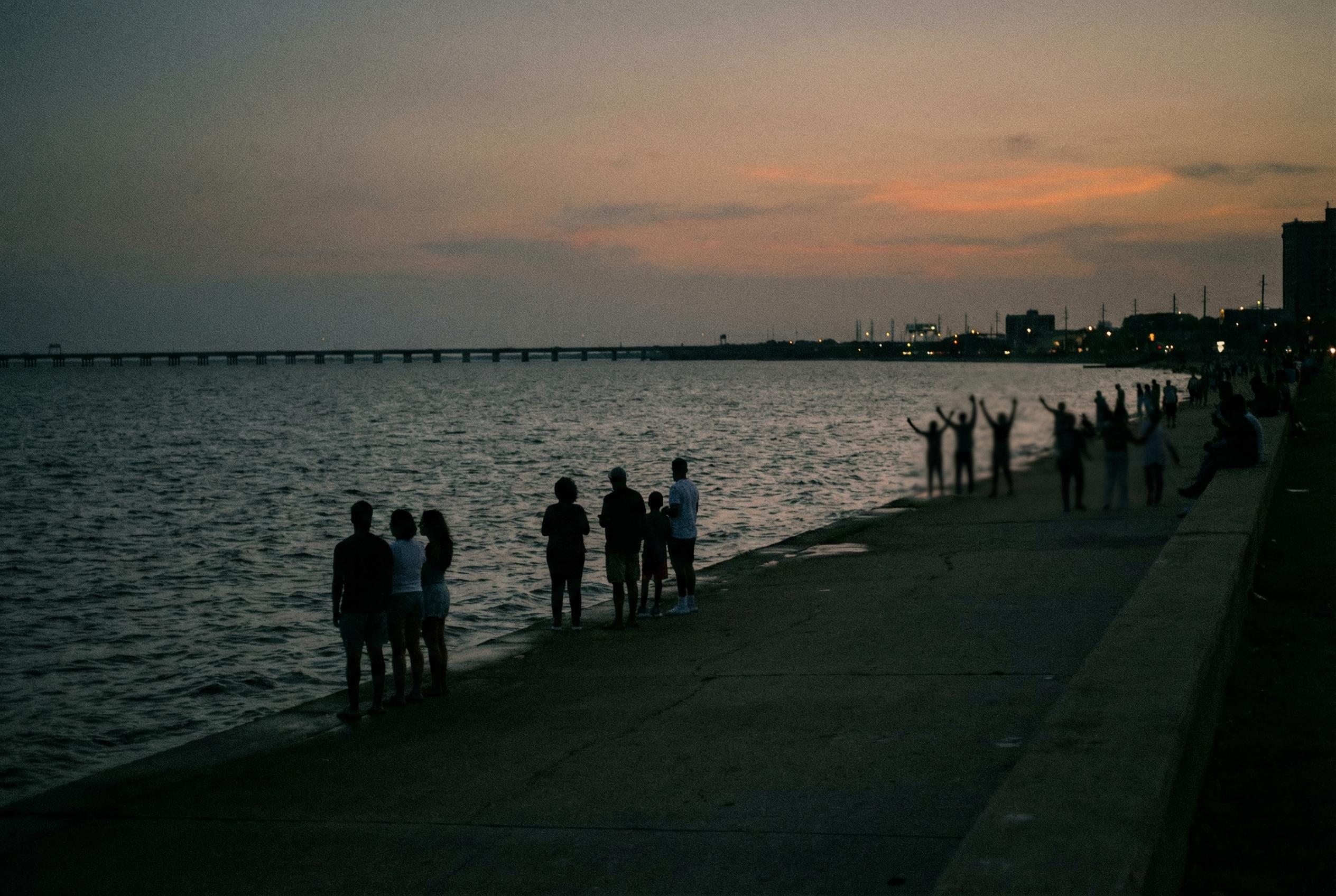
Shout it out: organisers in New Orleans have turned a simple, joyful howl into a queer ritual of release and community, offering a low-cost, low-pressure way to cope with rising anti-LGBTQ+ attacks and frayed mental health. It’s loud, it’s strange, and people are coming together to feel less alone.
Essential Takeaways
- Mass release: Hundreds of queers gathered at Lake Pontchartrain to scream together, creating an immediate, cathartic lift and a shared, physical experience.
- Grassroots organisation: Flyers with no named organisers or socials drew people by word of mouth, keeping the event low-profile and safer for participants.
- Intergenerational vibe: Attendees ranged from teens to elders, giving the event a warm, multigenerational feeling that’s both playful and tender.
- Mental-health relevance: With rising anti-LGBTQ+ legislation and worsening indicators of anxiety and depression among young queer people, communal release events offer an accessible outlet.
- Flexible participation: People can scream and leave or linger to socialise; the point is freedom from pressure and performance.
Why a scream works: the simple science and the feel of it
There’s an almost primal satisfaction to a good scream , the scratchy throat, the short-term fatigue, the afterwards calm. According to mental-health commentators and community organisers, vocal release helps discharge tension that talking sometimes can’t reach. In New Orleans, that sensation played out at sunset on the lakefront: people reported immediate relief, some laughter, some tears, but mostly a shared lightness. The effect isn’t a replacement for therapy, but it’s a recognisable, embodied form of regulation that many people already practise in private.
How the movement keeps itself safe and queer-focused
Organisers deliberately made the event anonymous on paper. The flyers were intentionally sparse , no social handles, no official address , to attract queer people without amplifying attention from hostile audiences. That grassroots approach, reliant on word of mouth and trust, felt familiar to long-time queer networks. It’s a practical model when community safety matters: gather in public, keep it unbranded, and let people self-select into a space that feels protective rather than performative.
Community, not commodity: what people actually do there
This isn’t marketed as a party, a therapy session, or an activism rally; it’s simply a chance to be together and make noise. Some people scream once and leave, others picnic and stay for hours. The mood ranges from clown-casual to reverent, because the point is mutual recognition rather than sales or spectacle. For organisers, the aim was never to monetise the moment , it was to create a container where queer people could feel seen and unburdened without expectation.
Context: why it matters now for queer mental health
The timing isn’t accidental. In recent years legislative attacks and hostile public rhetoric have escalated, and surveys show rising anxiety, depression, and suicidal thoughts among younger LGBTQ+ people. Meanwhile, access to timely mental-health care has deteriorated for many in crisis. Communal rituals like these offer an immediate, low-barrier outlet and a reminder that support can look like presence and noise, not only clinical intervention. It’s a form of resilience that complements professional help rather than replacing it.
How to join, or create, a safe local scream
If you’re curious, look for local flyers, queer spaces, or community posts that describe low-key meetups and rely on trusted networks. Keep personal safety in mind: attend with a friend, pick well-lit public spots, and check in with organisers about accessibility and expectations. If you want to host something similar, keep it simple , anonymous, welcoming language, a public location, and room for people to stay or leave. It’s the anti-event: minimal structure, maximum permission.
It's a small change that can make every scream feel a little safer and a lot less lonely.
Source Reference Map
Story idea inspired by: [1]
Sources by paragraph: