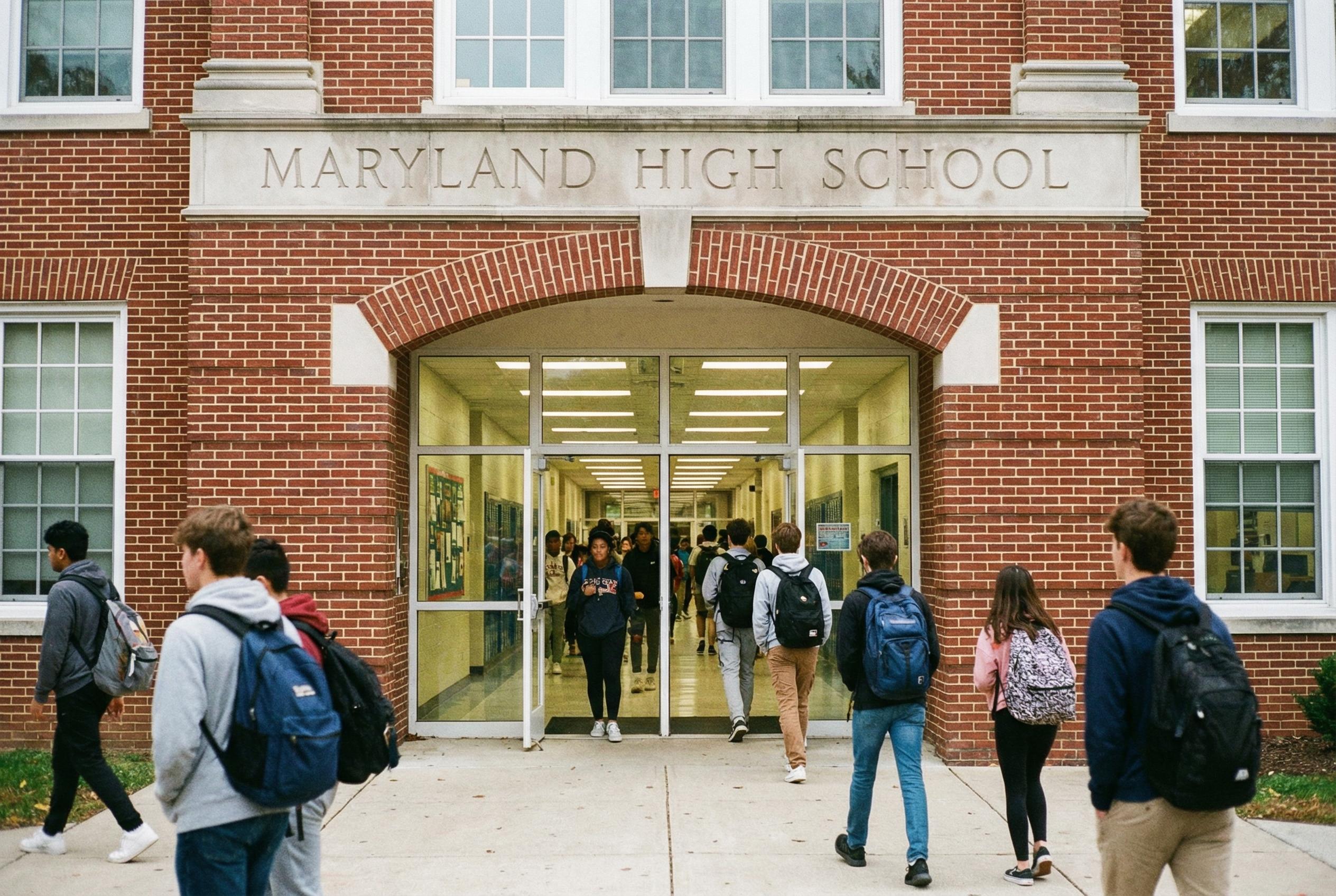
Shoppers for rights , lawmakers in Maryland are racing to plug a widening federal hole by advancing H.B. 649, a sweeping state education anti‑discrimination law that would let students report abuses, sue institutions, and even trigger funding cuts for violators. It matters because federal protections are fraying and families need local, enforceable options.
Essential Takeaways
- Broad coverage: The bill would protect students across pre‑K, K‑12 and higher education from discrimination based on sexual orientation, gender identity and many other traits.
- State enforcement: Complaints could go to the state superintendent or the Maryland Commission on Civil Rights for investigation, giving families a local route.
- Private right to sue: Students and families may bring civil actions directly against educational institutions.
- Funding leverage: The state could withhold funds from schools that violate the law or fail to remedy violations, creating real teeth.
- Religious concerns: Faith‑based institutions warn the measure could clash with religious liberty and constitutional protections.
Why Maryland lawmakers acted now , a federal gap and real fear
Maryland moved quickly because the federal safety net for students has been shrinking, leaving many cases unresolved and families anxious. The bill is a direct response to a decline in federal enforcement capacity, and it feels practical , people want a place to turn that’s local, timely and accountable. According to the Maryland Commission on Civil Rights, this fills a state‑level enforcement gap that’s especially stark in higher education where federal options have narrowed.
If you’ve followed education news, this is an example of states stepping up where Washington has pulled back. It’s intimate work for families: students want dignity and protection on campus and in the classroom, and parents want faster remedies than a distant federal system has lately provided.
What H.B. 649 actually does , simple, wide, and enforceable
At its core, the bill names a long list of protected characteristics , race, colour, national origin, sex, pregnancy, sexual orientation, gender identity, disability and more , and applies them to almost every kind of educational programme that leads to a diploma, degree or certificate. That’s intentionally broad; the aim is to leave no loophole for institutions to claim they’re outside the law.
Practically speaking, that means students can report discrimination to either the state superintendent or the Maryland Commission on Civil Rights, and the state can investigate. Importantly, the bill also preserves a private right to sue, so families don’t have to wait for a commission decision to seek court relief.
Enforcement with teeth , funding cuts and remedies
One notable feature is enforcement power. The legislation authorises withholding state funds from schools found in violation, and from those that fail to fix problems once identified. That financial leverage makes this more than symbolic. For cash‑strapped institutions, the prospect of lost funding can prompt quicker compliance and better training.
If you’re a parent or student, this matters because it raises the odds that a formal finding will produce actual change , policy updates, staff training, or compensation , instead of a paper promise that’s never enforced.
The clash with religious schools , constitutional worries and debate
Not everyone is on board. Religious and faith‑based schools have voiced alarm that a state commission might rule against decisions grounded in sincerely held beliefs. They argue the bill risks intrusive review of religious doctrine and could lead to monetary damages that conflict with constitutional protections.
This is likely to be the bill’s central legal battleground if it becomes law: balancing compelling state interests in protecting students against established religious liberty claims. Expect amendments, carve‑outs, and possible courtroom fights as the Senate and stakeholders negotiate.
What happens next and how families can prepare
The House passed the bill by a wide margin, and now the state Senate will consider it. If you’re a student, parent, or educator in Maryland, now’s a good time to familiarise yourself with complaint routes and keep documentation if discrimination arises. Schools should review policies and training, and faith‑based institutions will want legal counsel to understand potential impacts.
This is part of a broader trend: states are increasingly crafting their own civil‑rights enforcement measures as federal attention drifts. For families, that offers both hope and the need for vigilance.
It's a small change that can make every classroom safer and more accountable.
Source Reference Map
Story idea inspired by: [1]
Sources by paragraph: