Shoppers, parents and online users are waking up to a harder truth: trans and gender‑diverse Australians face organised attacks that ripple through healthcare, education and work, and experts say stronger legal protections and clearer policies are urgently needed.
Essential Takeaways
- Widespread harm: A national report details barriers to safety, healthcare, housing, education and employment for trans and gender‑diverse people.
- Organised disinformation: Officials link an international, well‑funded disinformation campaign , amplified by social media , to rising anti‑trans hate speech.
- Legal fixes recommended: The sex discrimination commissioner urges federal law changes, including bans on conversion practices and hate‑speech protections.
- Youth at risk: Calls to end pauses on puberty blockers and to protect young trans people from discriminatory policies are highlighted.
- Practical worry: Doxing and online abuse deter victims from bringing cases, even where anti‑doxing laws exist.
A sharp warning from the Human Rights Commission , and it sounds urgent
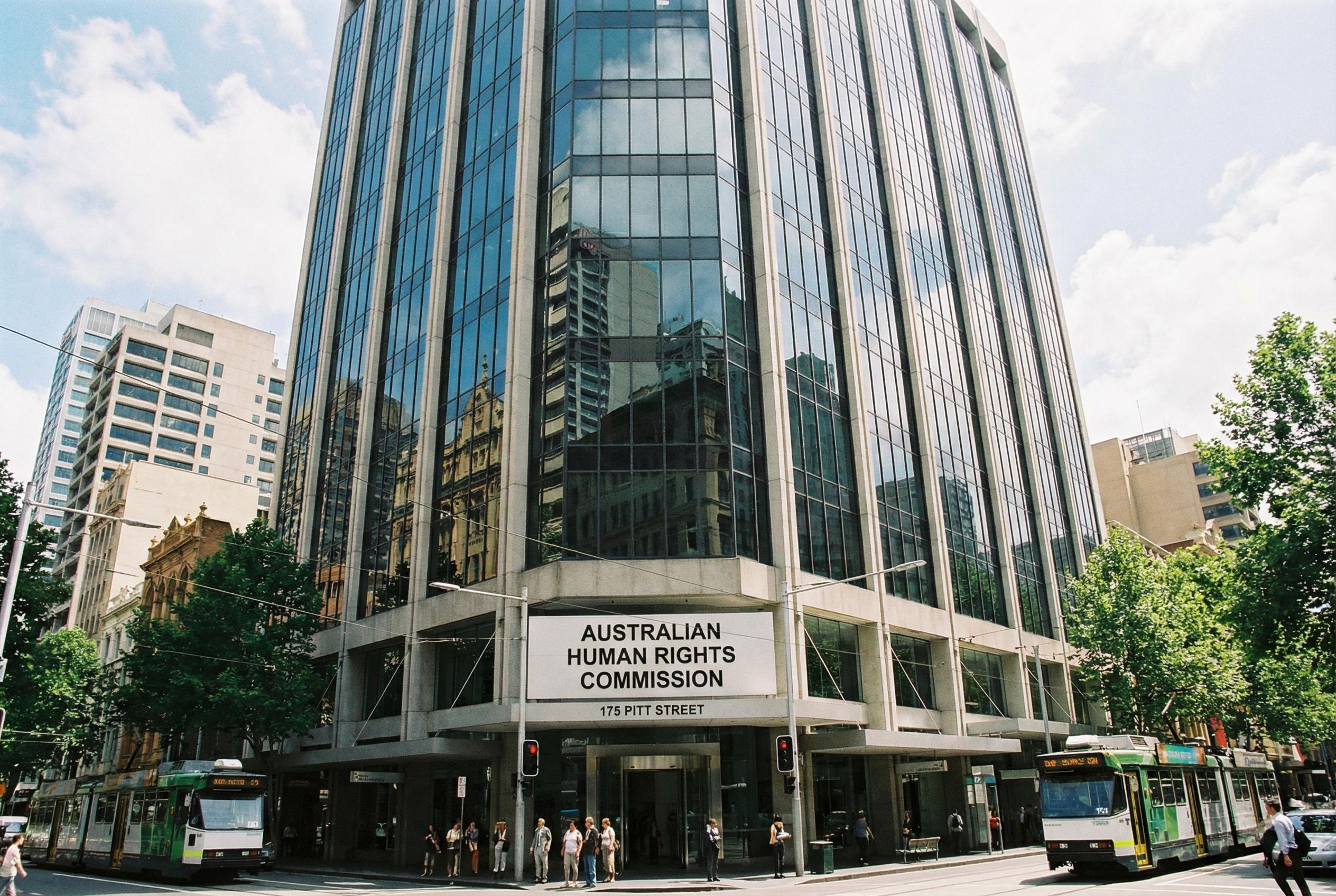
The Australian Human Rights Commission has published a report painting a stark picture: trans and gender‑diverse Australians are routinely blocked from full participation in society, and the harms are both practical and emotional. The findings are vivid , people struggle to access healthcare, secure housing and hold down jobs , and the emotional toll is clear, with communities describing a sense of exclusion and fear.
The report’s release was timed for International Trans Day of Visibility, and the sex discrimination commissioner, Dr Anna Cody, framed the issue as more than isolated prejudice. According to the commission, the problem sits where social media, organised campaigns and international funding meet , a mix that accelerates falsehoods and fuels hostility. For readers, that means this isn’t just online nastiness; it has knock‑on effects in everyday life.
Disinformation isn’t an accident , it’s organised, and it travels fast
Cody told reporters the rise in anti‑trans rhetoric has roots in the 2017 postal survey on same‑sex marriage, when trans issues were used in political argument, but she emphasised the change didn’t stop there. She points to coordinated international anti‑rights movements that bankroll campaigns and use social channels to spread targeted messages.
Social media’s role gets particular attention. Platforms can magnify outrage, keep hostile communities connected and make misleading narratives feel mainstream. That turbocharged spread makes it harder for accurate information and ordinary human stories to be heard, which in turn deepens mistrust and isolation for trans people. If you use social media, it’s worth being sceptical of sensational stories about gender identity and checking reputable sources.
What the commission recommends , law, protections and policy changes
The commission doesn’t just catalogue harms; it sets out concrete fixes. Key recommendations include extending federal protections against vilification to cover LGBTQ+ people, banning conversion practices, and removing administrative pauses on puberty blockers for young people who need care.
These changes are framed as both symbolic and practical. Legal protections would send a clear message that hate speech and organised campaigns of disinformation won’t be tolerated, while clinical and school policies that centre evidence over politics would reduce the everyday barriers young trans people face. For parents and guardians, the lesson is to look for clinicians and schools that follow best‑practice guidelines and to ask about safeguards.
Why victims often don’t take legal action , and what that means for justice
Even where laws exist, the report highlights a painful reality: victims of doxing and abuse may avoid pursuing complaints because legal action can open them up to further harassment. Doxing laws passed in 2024 now criminalise malicious sharing of personal information with heavy penalties, but the commission notes that going public with a case can invite more abuse and retrauma.
That nuance matters. It suggests that better enforcement and confidential pathways for complaints are as important as the laws themselves. Advocacy groups argue for victim‑centred processes, so people can seek redress without reliving harm, and for clearer guidance on how law enforcement should act to protect vulnerable people.
The wider context , sport rulings and public debate add pressure
The report comes amid heated public conversations, including recent rulings by sporting bodies that have drawn criticism from rights experts. Cody described some decisions as opaque and potentially harmful to women and girls, while also warning they add to a climate of restriction and control over gender minorities.
Those developments feed into the same media and online cycles that spread disinformation; policy debates in sport, health and education are often amplified into culture wars. The commission urges policymakers to look beyond headlines and make decisions based on transparent, expert‑driven processes that protect human rights.
It's a small change that can make every policy and interaction safer for trans and gender‑diverse people.
Source Reference Map
Story idea inspired by: [1]
Sources by paragraph: