Shoppers and history-lovers are turning to zines, archives and DIY preservation to rescue queer stories before they disappear; this piece explains who’s doing it, where to look, and how you can start safeguarding photos, letters and ephemera today.
Essential Takeaways
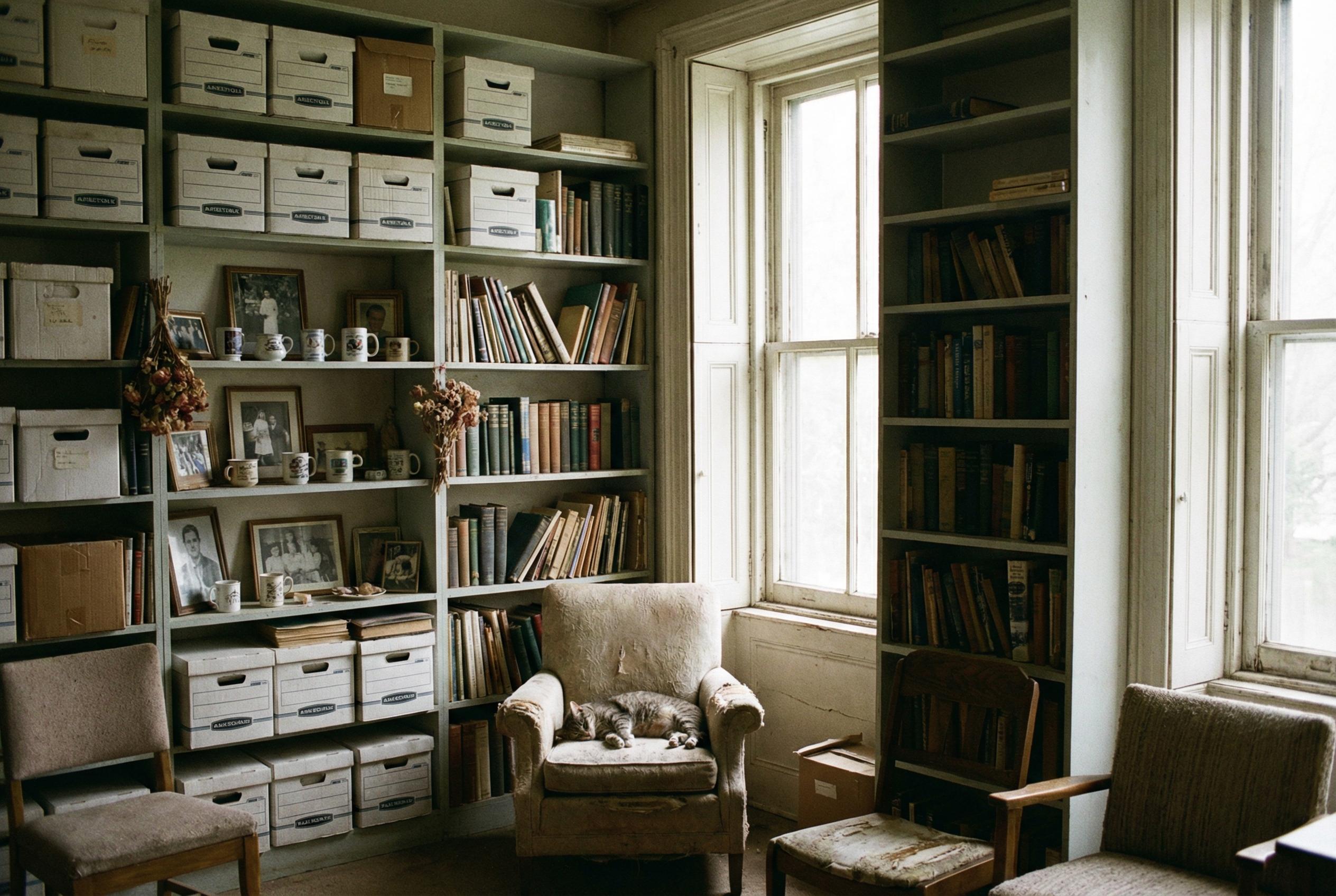
- Start small: Keep a box of your papers and photos in a dry, cool spot , acid-free folders help and digital scans back things up.
- Use community resources: Local LGBTQ+ archives and projects accept donations and offer guidance on preservation.
- Make zines: Short, self-published zines are a low-cost way to share research and personal histories; templates exist to get you started.
- Document provenance: Note who, what, when and where for each item , future researchers will thank you.
- Think digitally and physically: Scan items, store backups, and keep originals in archival-safe materials for long-term care.
Why queer archives matter , and why they’re fragile
Queer history is full of vivid, intimate traces , letters, club flyers, home videos , but much of it survives by accident rather than design, and that fragility gives these objects a quiet, urgent feel. Archives like William Way and the Lesbian Herstory Archives exist because communities fought to collect what families often would not, and those collections now carry the tactile evidence of lives otherwise erased. According to archivists, homelessness of documents is common: many queer people couldn’t safely keep papers at home, so preserving memory has always required extra effort. That’s why community-led collecting and sharing matters so much.
Where to take your boxes , local archives and projects to know
If you’ve got a shoebox of photos, there are welcoming places that can help. Local LGBTQ+ archives accept materials, offer processing advice and sometimes digitise collections for broader access. Organisations such as William Way and the Lesbian Herstory Archives are long-standing hubs; universities and city archives also partner on projects. The Leslie Lohman Museum holds unique materials related to queer art, while projects like the Queer Stories Preservation Project provide practical templates and outreach. Reach out before dropping items off , archivists will tell you what to keep, what to digitise, and how to package things safely for transfer.
DIY preservation: practical steps anyone can take today
You don’t need a degree to stabilise family papers. Start by removing items from attics and damp basements, drying them gently, and placing them in acid-free folders and boxes away from sunlight. Scan photographs and documents at a high resolution, and keep at least two digital backups on separate media or cloud services. Label each digital file with dates, names and a short description; add a simple provenance note to the physical item too. If you want to go further, local archives often share donation templates and workflows so you can prepare materials in a way that makes them easy to accession.
Zines, micro-publications and why they’re perfect for queer stories
Zines are an elegant, joyful way to publish queer histories that might never find a mainstream outlet. They’re cheap to produce, easy to distribute at events or online, and they create a personal connection between maker and reader. Many zine-makers publish PDF versions for wider reach while keeping a tactile run for archives. The Queer Stories Preservation Project and independent Substack resources show how to structure a small zine and preserve the research behind it. If you’ve ever wanted to tell a family story, document a local scene, or share research on queer icons, a zine can be your starting point.
How archives and communities are changing the conversation
There’s a growing recognition that archives should be participatory and community-led rather than distant repositories. Projects that combine oral histories, ephemera, and DIY publishing help recover regional scenes , from ballroom and drag communities to the queer suburbs celebrated in countercultural circles. That shift also means archives are doing outreach: teaching people how to save things, offering templates, and partnering with cultural events to raise awareness. For anyone worried their materials won’t matter, this new approach is an invitation: your papers might be exactly what someone needs to understand a life or a movement.
It's a small change that can make every memory last a little longer.
Source Reference Map
Story idea inspired by: [1]
Sources by paragraph: