Notice how April 5 keeps popping up as a turning point for queer visibility , on-screen, online and in the streets , and why those moments still matter for people trying to be seen and heard. From a breakthrough TV teen to viral marriage-equality campaigns, these snapshots show how representation reshapes lives.
Essential Takeaways
- Historic TV moment: Rickie Vasquez on My So-Called Life offered one of the earliest nuanced portrayals of a gay teen, with a quiet, human feel that many viewers found recognisable.
- Digital activism surge: In 2013 social media became a mass tool for marriage-equality support, turning private beliefs into public signals almost overnight.
- Local organising matters: Early-April demonstrations in countries like Ukraine and Georgia helped build grassroots movements despite pushback.
- Cultural ripple effects: Film festivals and community nights around this date help new queer stories reach wider audiences; they feel celebratory and raw.
- Everyday survival spaces: Drag shows, fundraisers and small gatherings around April 5 remain crucial for connection, care and visibility.
Why a TV character from 1994 still lands like a punch , and a comfort
Rickie Vasquez’s presence on My So-Called Life doesn’t read like headline news now, but it landed hard in 1994 because he was real , messy, scared, sometimes angry, and never a joke. Viewers remember the show’s intimate, lived-in textures: worn denim, cramped bedrooms, and the low-lit truth of teenage life. According to contemporaneous coverage and later reflections, the character broke ground by showing a gay teenager as a person rather than a plot device.
That series only lasted a season, but its cultural footprint grew anyway. Critics and fans continuously cite Rickie as an example of representation that felt honest rather than sensational. For parents, teachers or allies wondering how to explain why representation matters, it’s a clear example: seeing someone like you on screen alters the map of what’s imaginable.
How social media turned April 5 into a moment of mass signalling
Fast-forward to 2013 and April became a hotspot for online activism as marriage-equality cases reached the U.S. Supreme Court. Timelines filled with profile-picture changes and sharable badges; people used social media to push their views into networks that might not otherwise hear them. That kind of visibility was immediate and scalable , and it changed the dynamics of support.
Campaigners found that adding a colour or a slogan to a profile photo did more than make a statement. It normalised support in everyday circles, made private allies visible, and created pressure that institutions couldn’t entirely ignore. If you’re organising today, treat social media as a volume control: it amplifies grassroots energy but can’t replace face-to-face community work.
Local protests and small wins: why April rallies in Eastern Europe matter
In places like Ukraine and Georgia, early-April demonstrations have been part of a longer, tougher effort to win anti-discrimination protections. These rallies sometimes face heavy opposition, but they carve out civic space where there was once silence. Activists report that repeated visibility , even in the form of modest marches or vigils , builds networks and slowly shifts public conversation.
Look at these events as patient organising: each banner, chant and interview chips away at stigma. If you’re supporting international movements, remember that solidarity often means amplifying voices on their terms and recognising the risk local activists take.
Film festivals, drag nights and the everyday rituals that keep queer culture alive
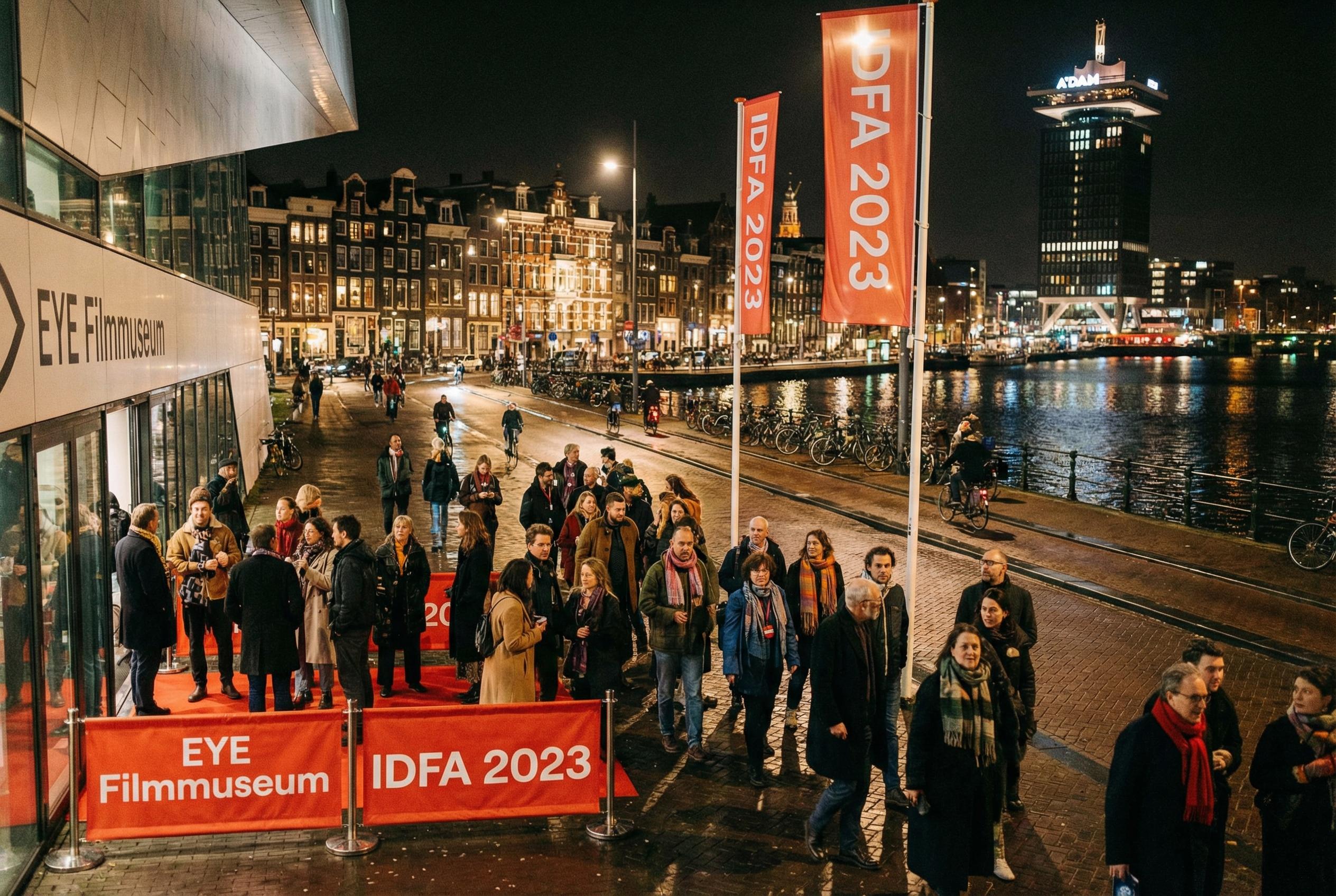
April often falls at the tail end of LGBTQ film festival seasons, when films that opened in late winter begin to travel further. Festivals like BFI Flare and other city-level showcases help unfamiliar stories reach critics, curators and general audiences. Those screenings create conversation, which then feeds into community events , Q&As, panels and, crucially, grassroots programming.
Meanwhile, small venues host drag shows, fundraisers and socials that are less about spectacle and more about sustaining networks. These nights are where friendships form, help is offered, and people learn who they can trust. If you want to plug into queer culture, look beyond headlines: the best connections are often found at those quieter tables.
What April 5 teaches us going forward , visibility isn’t a single victory
The throughline of April 5 isn’t a neat victory lap; it’s an ongoing lesson. Television characters like Rickie shifted perceptions, digital campaigns made support visible on a mass scale, and local protests kept pressure on institutions. Each tactic has strengths and blind spots, so a mix of culture, politics and grassroots work is essential.
For anyone who cares about making visibility safer and more meaningful, the practical takeaway is obvious: support representative storytelling, show up for local groups, and use online tools to amplify rather than replace face-to-face solidarity. It’s small, steady acts that change how people are seen.
It's a small change that can make every story and every person easier to find.
Source Reference Map
Story idea inspired by: [1]
Sources by paragraph: