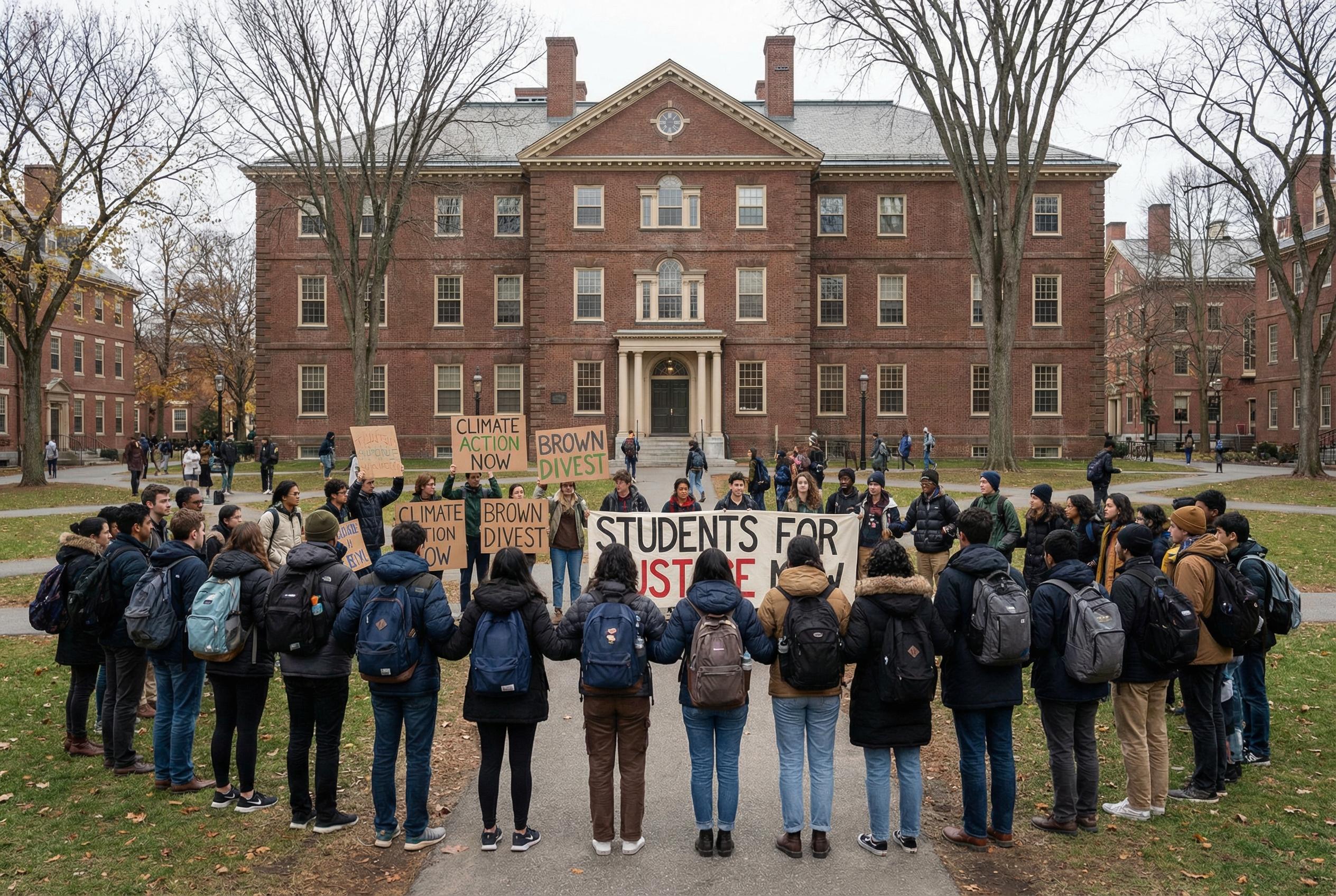
Shouting back matters: around 40 Brown University students and community members rallied on Transgender Day of Visibility to push back against a wave of anti-trans legislation, making local protest feel linked to a global fight for dignity and access.
Essential Takeaways
- Who rallied: A new student group, TRANSformation, organised about 40 people on Brown’s campus to mark Transgender Day of Visibility.
- What they warned about: Organisers highlighted hundreds of anti-LGBTQ bills proposed nationwide and pointed to five Rhode Island measures aimed at student sports participation and medical care.
- Tone of the event: Speakers mixed defiance with joy, stressing resilience, youth-led activism and solidarity with global struggles.
- Broader context: Advocacy groups such as the ACLU and Human Rights Campaign map and monitor dozens to hundreds of restrictive bills; speakers tied local laws to international rollbacks of trans rights.
A small crowd, a loud message , campus activism with a punch
On a bright spring day at Brown’s “Rock,” organisers made it clear that visibility isn’t just symbolic; it’s tactical and urgent, with the rally smelling faintly of protest signs and coffee. The newly formed TRANSformation launched the event to draw attention to what organisers called a cascade of anti-trans proposals across the US and beyond. According to student speakers, these laws don’t just regulate identity , they target young people’s access to sports, healthcare and basic recognition.
This kind of student-led action follows a long campus tradition of turning small gatherings into amplified messages. Activists pointed out that when legislation focuses on youth, students are uniquely positioned to respond, organise and tell personal stories that humanise the debate. If you care about campus life, that mix of testimony and policy push-back is compelling , it’s where law meets lived experience.
Numbers matter: bills, mapping and watchdog groups
Speakers at the rally referenced a headline figure used to dramatise the problem: hundreds of anti-LGBTQ measures tracked across legislatures. Organisations such as the ACLU and Human Rights Campaign publish maps and reports that track bills affecting trans rights, from healthcare restrictions to sports participation rules. That data gives activists concrete targets and voters a way to see trends.
For anyone trying to follow the story, these maps are useful tools: they show whether your state has active proposals, how they’re worded, and which elected officials are sponsoring them. If you’re a student or parent, checking those resources helps you understand what could directly affect your campus or community programmes.
Local laws with immediate impact: Rhode Island and beyond
At the rally, organisers singled out several Rhode Island bills said to restrict transgender students’ ability to play sports and to access medical care. They argued that even in traditionally progressive states, legislation can appear that narrows rights or creates chilling effects for young people and families. That local focus made the threat feel immediate rather than abstract.
For practical purposes, students and families should track committee calendars at their state legislatures, talk to school administrators about policy protections, and link up with campus groups that can offer support and information. Small steps , rapid-response meetings, petition drives, informational sessions , have real impact when laws are moving fast.
Linking local protest to global stories of repression
Speakers at Brown also reached beyond US borders, connecting campus concerns with international developments that they described as rollbacks of trans rights. Whether those international items are reported in local or global outlets, the effect was to frame the rally as part of a wider solidarity movement. That broad perspective helps activists build alliances across causes and communities.
It’s worth noting that linking distant policy changes to local activism can strengthen a message, but it also means activists should be precise when citing foreign laws and their effects. For organisers, balancing the global with the local keeps a rally both emotionally resonant and factually grounded.
What students can do next: practical steps for activism and support
If you’re at university and want to help, organisers recommended a few simple actions: join or start a student group, attend meetings, write to local representatives, and share reliable resources that explain what pending laws would change. Campus-based solidarity , things like legal clinics, counselling referrals, and clear administrative policies , can protect vulnerable students while shaping public debate.
And for anyone watching from the outside, showing up to campus events, amplifying student voices on social media and supporting established civil-rights organisations are straightforward ways to help. Activism isn’t always loud; sometimes it’s the quiet work that keeps a community safe.
It's a small change that can make every protest and policy discussion more effective and humane.
Source Reference Map
Story idea inspired by: [1]
Sources by paragraph: