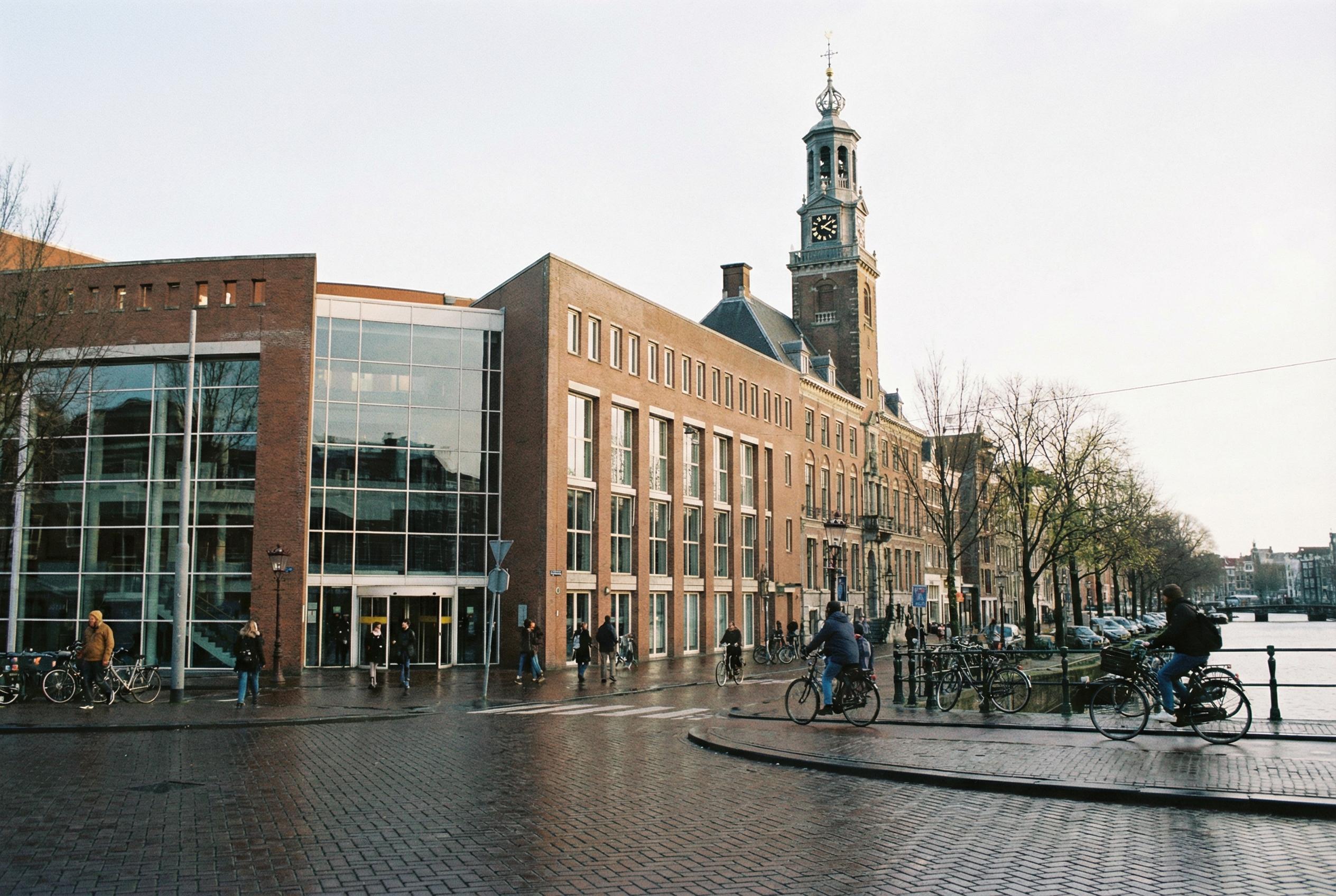
Celebrate the moment: Amsterdam marked 25 years since the world’s first legal same‑sex weddings with midnight vows, speeches and reflection , a joyful reminder of progress that still matters to couples, families and activists around the globe.
Essential Takeaways
- Historic milestone: Amsterdam commemorated the first legal same‑sex weddings held in 2001 with early‑morning ceremonies led by the mayor, a symbolic spotlight on progress.
- Widespread uptake: More than 36,000 same‑sex marriages have been registered in the Netherlands since legalisation, showing social normalisation and routine paperwork benefits.
- Global contrast: While many countries now recognise same‑sex unions, large regions remain opposed or are tightening restrictions, a reminder that rights aren’t universal.
- Practical benefits: Married couples report clearer parental rights, hospital access and legal protections , concrete reasons people still choose to tie the knot.
- Cautious optimism: Activists urge vigilance as legislative and court challenges in places like the US and parts of Africa and Asia show gains can be threatened.
Midnight vows in Amsterdam: a jubilant anniversary with a human touch
Amsterdam’s city hall welcomed three same‑sex couples just after midnight to mark the 25th anniversary of the first legal weddings, a scene that felt intimate and celebratory, with the mayor officiating. The image of those early ceremonies in 2001 still resonates; leaders and couples remembered how rare and radical the move felt at the time. According to local reporting, the milestone drew politicians and couples who said the moment was both joyful and reflective, underlining how marriage equality changed ordinary lives. If you want to feel the human impact, look at the faces in the crowd , pride and relief are tangible.
How the Netherlands set a global example , and how far that ripple reached
When Amsterdam once married four same‑sex couples in a landmark ceremony, it helped prompt legislative change in nearly 40 countries over the following decades. The Netherlands’ early lead normalised same‑sex unions in law and practice, and official statistics show tens of thousands have since formalised their relationships there. Pew Research and national sources map a steady expansion of recognition worldwide, yet they also show uneven uptake; some nations moved quickly to follow, others lagged or resisted. For readers wondering about trends, this anniversary is a handy reminder that legal firsts can reshape expectations elsewhere.
Why marriage still matters: practical protections people mention
Couples interviewed about why they married often point to concrete benefits: parental recognition on birth certificates, hospital‑visitation rights and clearer inheritance and tax rules. In New Jersey, for instance, couples said marriage eased paperwork and safeguarded parental rights when planning for children. That practical utility is a big reason many same‑sex couples choose marriage beyond symbolism , it’s about day‑to‑day security. If you’re considering marriage for similar reasons, check local rules on parental recognition and healthcare proxies; those details vary and matter.
Backlash and legal fragility: not all progress is permanent
At the same time as celebrations, advocates warned about erosion of rights in some places. Human Rights Campaign tracking highlights legislative attempts in several US states to undermine same‑sex recognition, and countries in parts of Africa and Asia have tightened penalties for LGBTQ+ people. Recent court rulings around bans on conversion therapy and legislative pushes show that gains can be contested in courts and parliaments. That mixed picture explains why activists urge vigilance: milestones are worth celebrating, but they don’t end the work.
Where the conversation goes next: inclusion beyond marriage
Commentators in the Netherlands and beyond note that legal marriage is only one measure of equality. Critics say the Netherlands has become complacent on transgender rights and school bullying, and other European countries now have stronger protections in some areas. As a result, activists are pushing to extend protections for gender identity, hate‑crime laws and anti‑bullying programmes in schools. The takeaway is simple: marriage equality opened doors, but the next battles are often about day‑to‑day dignity and safety.
It's a small change that can make every relationship and family a bit more secure , and it’s worth watching how societies build on that foundation.
Source Reference Map
Story idea inspired by: [1]
Sources by paragraph: