Shoppers and gallery-goers are noticing a bold new voice: Aaron Allen Marner’s Freedom to Exist series mixes fashion, protest and Black queer joy, shown in Palm Springs and Los Angeles and timed to cultural moments that matter. It’s a vibrant, streetwise collection that foregrounds HIV awareness, trans visibility and the textures of community.
Essential Takeaways
- Visible, textured work: Marner’s pieces use bold colour, patterned backdrops and tactile surfaces that catch the eye and feel energetic.
- Roots in activism: The series nods to Keith Haring’s legacy while centring HIV awareness, Black culture and queer protest.
- Real-world struggle: Marner created much of the work while facing housing instability, illness and career uncertainty, which gives the show emotional weight.
- Where to see it: Works have been shown at the Palm Springs Cultural Center and are part of The Freedom to Exist exhibition at Strut, with artist talks announced.
- Practical impact: The series offers both celebration and critique, useful for collectors who want art with social purpose and visibility.
A striking welcome: colour, pattern and a human gaze
Step into Marner’s work and you first register colour and texture , turquoise sunglasses, a red bloom, layered geometrics. The pieces feel like a shout and a hug at once, bright and tactile enough that you want to reach out. According to event listings and gallery notes, the series debuted in Palm Springs and has continued into LA, intentionally aligning aesthetics with message. It’s an immediate, sensory way to meet the politics he’s been living.
Marner’s approach balances celebration with urgency. He references fashion culture and Black visual languages while honouring activist legacies. That pairing makes the paintings readable on the street and at a formal opening, which is part of their power.
From Palm Springs halls to LA streets: how place shaped the series
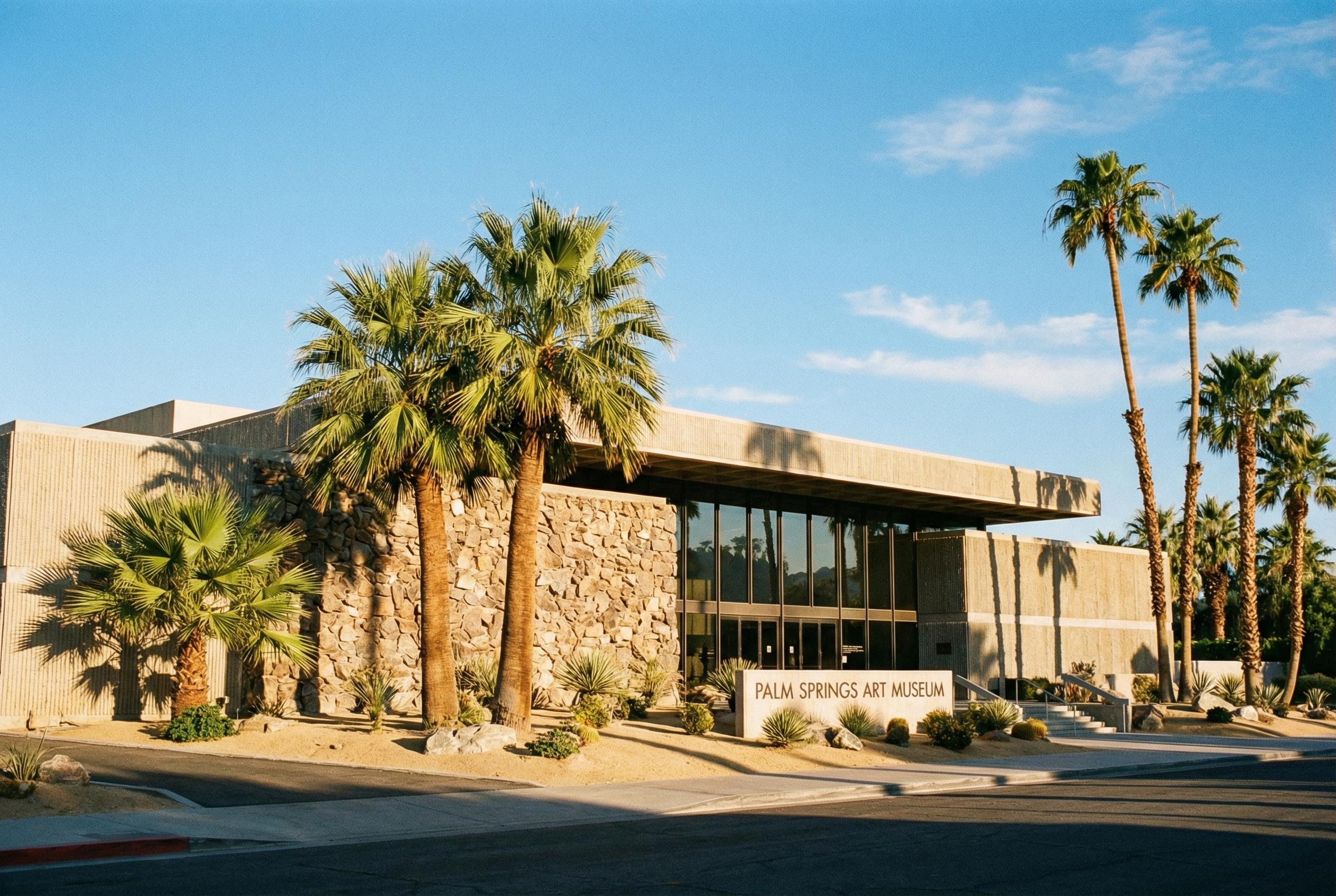
The work’s exhibition history matters. Marner showed at the Palm Springs Art Museum and later the Cultural Center; those venues situated the work during Black History Month programmes and public-facing events. Listings and museum schedules confirm the timing and context, so the pieces weren’t made in isolation , they were presented where audiences could engage directly.
Being visible in Palm Springs also amplified his role as an activist and community figure; he was named Grand Marshal there, a detail that helps explain why his art blends pageant-like glamour, protest signage and everyday truths. If you’re planning a visit, check gallery calendars and artist-talk listings for updated times.
Making art under pressure: instability, illness and persistence
This series didn’t arrive from a place of comfort. Marner describes moving between many homes, facing homelessness edges, and working through nerve damage that left him bedridden for months. Those life stresses are visible in the work’s urgency and in the small victories the canvases celebrate. When you look closely, you can sense someone who kept making despite everything.
That context matters for collectors and viewers alike , it frames the art as labour and testimony, not just decoration. It also highlights a broader problem: many mid-career queer artists face inconsistent opportunities and diminished platforms, even as cultural debates intensify.
Politics on canvas: protest, healthcare and queer survival
Marner’s recent pieces respond directly to current debates: healthcare cuts, threats to trans care, and shrinking access to HIV prevention and treatment. He layers protest imagery, flags and camera motifs to suggest surveillance, resistance and the necessity of speaking out. The work reads as both documentary and manifesto.
If you’re interested in art that engages policy and community, Marner’s canvases offer clear entry points , they make abstract national fights look human, textured and immediate. For collectors who prioritise social practice, these works are conversation starters.
How to see and engage: shows, talks and following the artist
The Freedom to Exist exhibition is on display at Strut and has associated artist talks promoted through gallery and event pages. Online listings show opportunities to attend discussions where Marner explains technique, influences and the personal stories behind the canvases. For those who can’t make it in person, follow @aaronallenartstudio and @aaronallen1313 on Instagram for updates and works-in-progress.
When visiting, look for pieces that blend patterned African textiles, queer ballroom references and Haring-like motifs; they’re the ones that best capture the series’ intent. If you’re buying, ask about provenance and exhibition history , those details matter for documenting an artist whose work is entwined with activism.
It’s a small change that can make every viewing feel like joining a chorus of attention.
Source Reference Map
Story idea inspired by: [1]
Sources by paragraph: