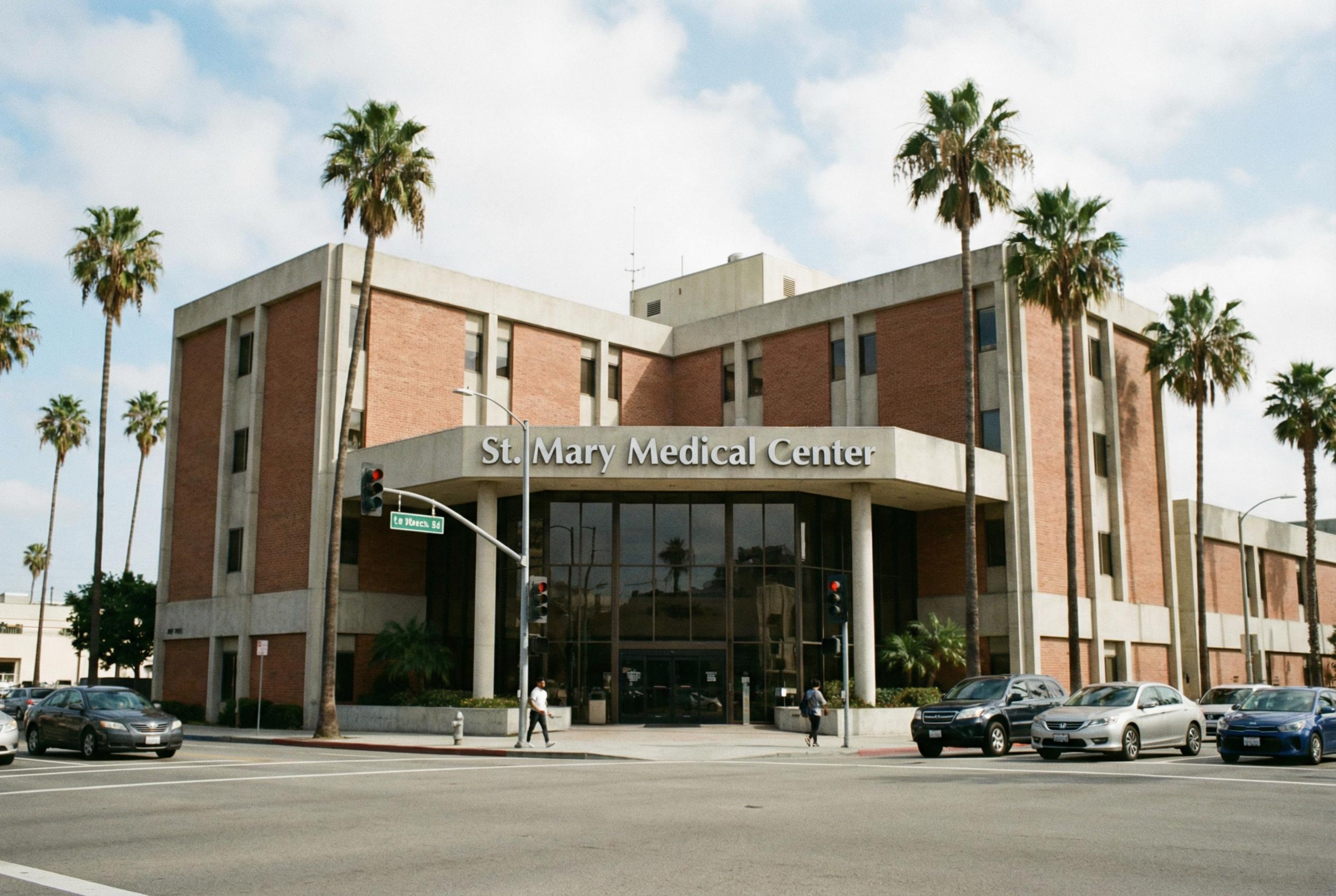
Shoppers are turning to local clinics for more than tests , Long Beach’s CARE Center grew from an emergency-room lifeline into a full-service hub that treats HIV and AIDS patients, tackles housing and mental health, and offers prevention like PrEP. Here’s why community-led care still matters.
Essential Takeaways
- Historic roots: Founded in 1986 at St. Mary Medical Center to help men with few options, the CARE Center began as a referral and support programme.
- Comprehensive services: Today it runs medical, dental, behavioural health, PrEP/PEP, a food pantry and insurance navigation , practical help beyond pills.
- Patient-centred feel: Staff emphasise safety and dignity for LGBTQ and marginalised patients; many describe the centre as “family.”
- Impact over time: Local clinics filled gaps when federal response lagged, and improved screening and treatment have cut AIDS deaths dramatically.
- Where it is: The CARE Center serves nearly 2,000 patients from its Long Beach clinic at 1040 Elm Ave #200.
How a small ER idea became a life-saving clinic
The sharpest image from early AIDS care is of hospital staff and community workers scrambling to help people who were being turned away. According to the CDC timeline, the first clusters of what became known as AIDS were reported in 1981, and organised local responses popped up because many mainstream services wouldn’t or couldn’t step in. In Long Beach, a caseworker in St. Mary’s emergency department saw men arriving gravely ill and no clear path to follow. Her solution was simple and humane: connect people to care, hospice and funerary services. That grassroots spirit still defines the centre’s work.
From referrals to full clinical services , the practical evolution
The CARE Center didn’t stay a signpost for long. By the mid-1990s it opened a medical clinic; dental services followed in 1999, and an expanded clinic came online in 2001. Those additions reflect a broader pattern: local programmes often had to build capacity because federal leadership was slow. The CDC’s historical record shows a patchwork response in the early years, and community clinics compensated by offering hands-on care, testing and later, prevention services like PrEP.
Why prevention and wraparound services matter now
Medical treatment for HIV has changed enormously , therapy that once meant many pills a day has turned into single-tablet regimens or long-acting injections. Still, the CARE Center’s value isn’t just drugs. Staff manage housing, mental health and substance-use issues that can block adherence and access. The CDC notes that prevention and screening have driven down new infections significantly; combining clinical care with social support is how clinics help people stay well and engaged.
The human side: dignity, safety and trust
Discrimination has been a persistent barrier to care, especially for trans people and those estranged from family. The CARE Center emphasises creating a safe space where disclosure and honest conversations are possible. That trust matters: when patients feel respected, they’re likelier to keep appointments and follow treatment. Long-time staff describe the centre as a kind of family , an emotional anchor that goes beyond prescriptions and lab results.
Looking forward: local clinics as public-health anchors
Data show AIDS deaths have fallen sharply since the 1990s thanks to better testing and treatment, and new infections have declined by decades. But public-health gains can’t rest on medication alone. Community clinics like Long Beach’s remain essential for reaching people who face stigma, homelessness or complex mental-health needs. If you’re choosing care, look for clinics that combine clinical excellence with social services and a proven record of culturally sensitive care.
It's a small change to choose the clinic that treats you like family , and it can make every treatment plan work better.
Source Reference Map
Story idea inspired by: [1]
Sources by paragraph: