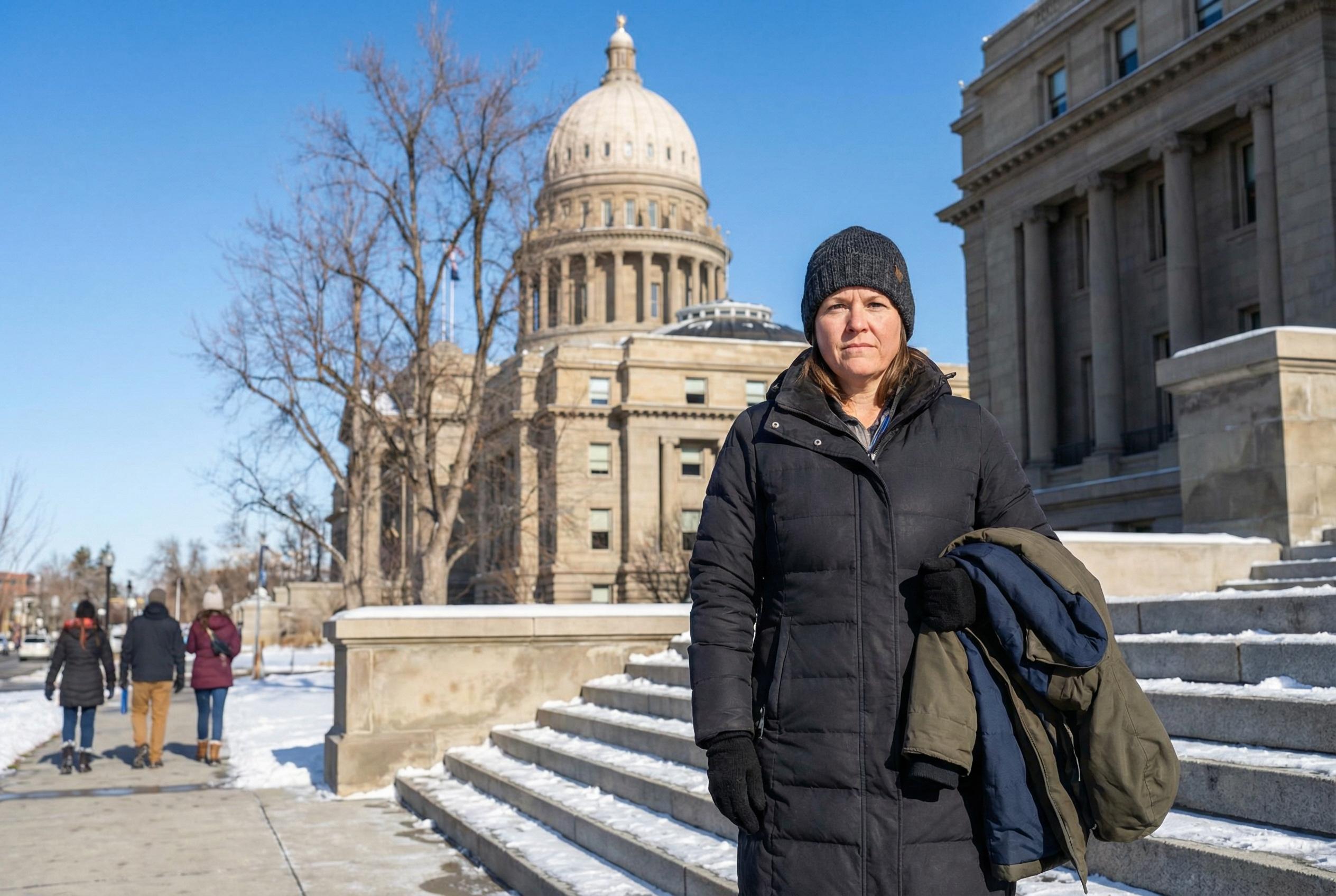
Shouting, sitting and standing firm: activists in Boise say staying inside the governor’s office was the only way to be heard after a string of bills they say target transgender people, and their arrests have put pressure on Governor Brad Little to reconsider new laws that matter to families.
- Who acted: Nine demonstrators were arrested after refusing to leave Governor Brad Little’s office during a sit-in; organisers say more than 40 faith leaders and advocates joined the action.
- Why they stayed: Protesters described reaching a breaking point , feeling unheard after testifying, writing and lobbying , and said walking away would have felt like giving up.
- What’s at stake: New laws include a strict bathroom rule and a school “outing” measure that activists say force disclosures about minors’ social transitions; emotions ran high and some families fear the mental-health consequences.
- How it felt: Participants described the moment as powerful and painful , a quiet, tense stand that smelled of resolve, not spectacle.
- Immediate outcome: Those arrested were booked into Ada County Jail and released the same evening; the group hopes the governor will veto at least one contentious bill.
A sit-in that turned into arrests , what happened and why it mattered
The sit-in began as a protest against legislation activists say singles out LGBTQ+ Idahoans, especially transgender people. According to local reporting, demonstrators entered the governor’s office and refused to leave when staff closed for the day; nine were arrested for trespass. Protesters told KTVB they felt the action was necessary after weeks of hearings, letters and testimony that, they say, went nowhere. The mood was solemn rather than theatrical, and those inside described a sense of collective responsibility , parents, pastors and trans community members sitting side by side.
The laws pushing people to extremes , bathroom rules and a school-notice bill
This show of civil disobedience followed a flurry of legislation, including a bathroom law that criminalises use of facilities that don’t match sex assigned at birth and a proposed school notice bill that would require staff to tell parents if a minor asks to socially transition. Activists argue these measures are some of the strictest in the nation and have immediate, personal consequences. The bills were signed or moved forward during a tense legislative session, leaving families and faith leaders feeling targeted and desperate for change.
Personal stakes: families, ministers and community grief
A reverend who joined the sit-in said she’d recently officiated a memorial for a trans teenager who died by suicide, and she doesn’t want other families to endure that pain. That kind of testimony is what turned abstract policy into a visible human cost for many who protested. Protesters described the action as an anguished plea: they’ve tried formal channels, but when laws pass and signatures go on the paper, their fear and frustration intensify. It’s a raw, emotional calculus , stay and risk arrest, or leave and risk losing more rights.
What organisers say about strategy and the message
Organisers framed the sit-in as a reclaiming of narrative: a moment to centre the stories of those affected rather than letting lawmakers’ rhetoric define the debate. One arrested participant told reporters she knew the moment felt powerful and that sitting down wasn’t a stunt but a last-resort tactic after months of advocacy. That framing fits a longer history of civil disobedience in US politics: when legislative routes seem closed, protesters sometimes escalate to force attention and to appeal to a wider public conscience.
What happens next , veto hopes and community choices
With the legislature adjourned, protesters are now turning their energy toward Governor Little, hoping for a veto on House Bill 822 and similar measures. Meanwhile, many transgender Idahoans say they’re weighing whether to stay and keep fighting or to leave for safer states. That private conversation , whether to stay rooted or start over , underscores how lawmaking can ripple into everyday life and decisions about home and belonging. The immediate arrests may have been quiet, but their questions are loud and ongoing.
It's a small decision with big consequences , and many in Idaho are still deciding what to do next.
Source Reference Map
Story idea inspired by: [1]
Sources by paragraph: