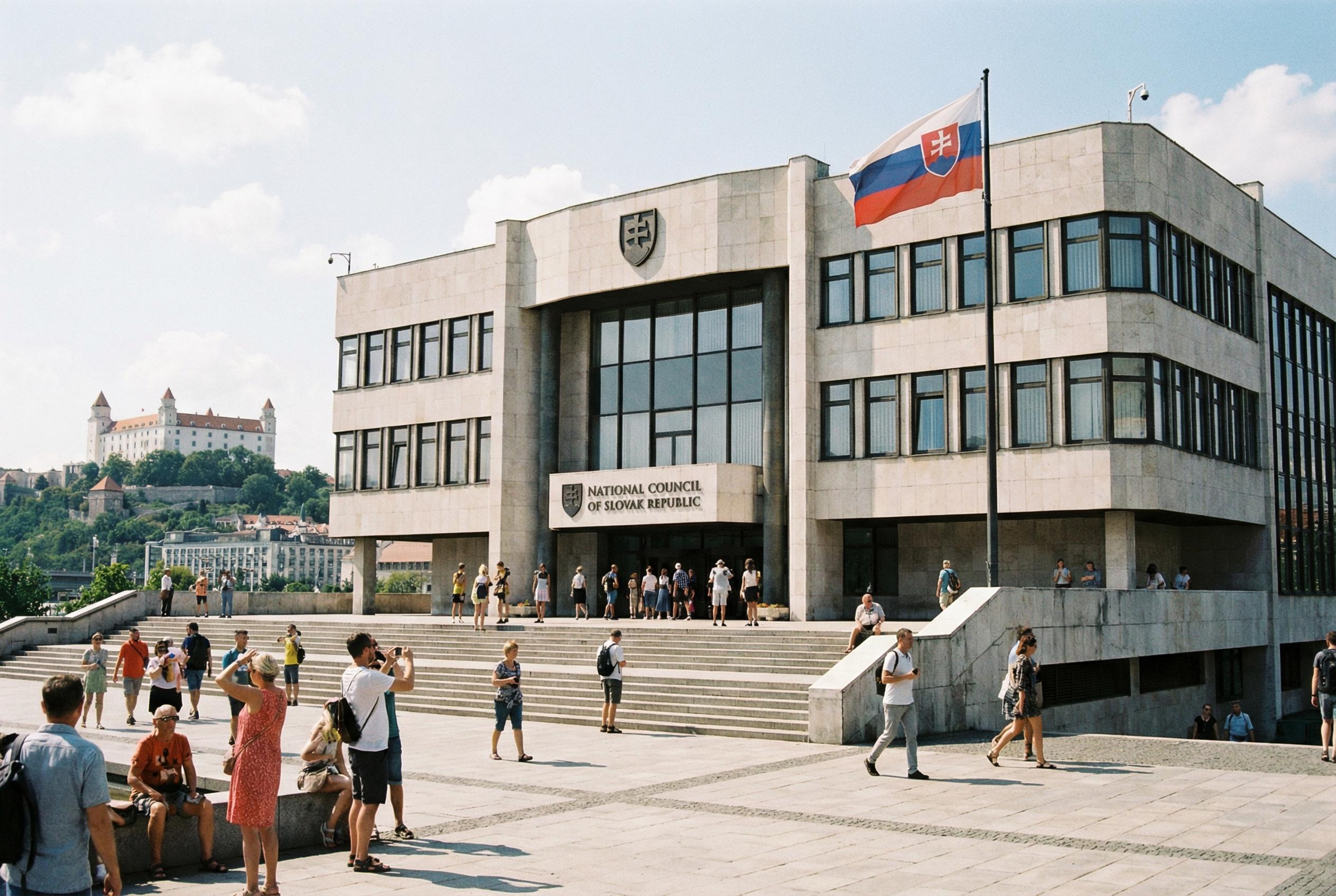
Shoppers are turning to stories that explain why Slovakia’s 2025 constitutional overhaul matters , for families, for democracy, and for everyday life. This piece looks at who is affected, how civil society is responding, and practical steps parents and allies can take to protect loved ones in a shifting legal landscape.
Essential Takeaways
- Constitutional shift: Slovakia’s 2025 amendment recognises only two “biologically determined” sexes and limits adoption to married man–woman couples, reshaping legal identity and family recognition.
- Real-life impacts: Same-sex spouses and non-biological parents face barriers to healthcare access, parental leave, inheritance and decision-making; bureaucratic responses vary by office.
- Rule-of-law concern: Observers warn the amendment entrenches discriminatory policy and could prioritise national law over EU obligations, risking conflicts with European human-rights standards.
- Community response: Grassroots networks, parent groups and local NGOs are expanding emotional and legal support, publishing guides and creating safe spaces for families.
- Practical tip: Document everything , birth certificates, medical notes, powers of attorney , and seek pro bono legal advice early if cross-border rights or domestic recognition is at stake.
How a single parliamentary vote changed daily life
The vote in Bratislava that tucked biology into the constitution feels, for many families, like a late-night change that leaves no warning light on. The amendment’s language on sex and parenthood transforms legal paperwork into a minefield, so parents now describe routine tasks like hospital visits as emotionally fraught and administratively brittle. Amnesty International and human-rights groups have argued the move locks in discrimination, making reversal significantly harder and creating real vulnerabilities for trans, intersex and same-sex families. For anyone raising children in Slovakia, this is not abstract policy; it’s the difference between being recognised in law and being legally invisible.
Why legal recognition , or its absence , matters in practical terms
Legal recognition is more than a label: it determines who signs consent forms, who claims benefits, and who is responsible in an emergency. Families interviewed by local journalists recount non-biological parents being denied parental leave, blocked from hospital rooms, or excluded from social benefits , even when they live as any other family. European Court rulings require member states to recognise certain family ties for movement and residency rights, yet implementation at municipal offices is inconsistent. That patchwork creates anxiety and can push people to consider emigration, especially to nearby countries with clearer protections.
The wider democratic picture: not just family law
This constitutional change didn’t arrive in isolation. Analysts trace a decade-long shift in rhetoric and legislation that used “family values” as a wedge issue, while other legal changes have weakened oversight mechanisms and reshaped prosecutorial rules. Critics warn that enshrining “ethical sovereignty” risks clashes with EU obligations and could be used selectively to resist international human-rights decisions. In short, the fight over family law has become a symbolic front in a broader contest about checks and balances and the health of Slovak democracy.
How communities are adapting and supporting each other
Where the state constricts, civil society stretches thin but resilient networks. Parent groups that started as private Facebook circles during the pandemic now run workshops, publish books of testimonies, and organise gatherings across Slovakia. They focus on mutual aid , emotional support, legal clinics, and practical how-tos for bureaucratic hurdles , while deliberately staying non-partisan to keep the door open to more parents. Local NGOs and municipal initiatives provide free counselling and legal help, often funded by alternative donors when national funding dries up. These networks aren’t a fix for the law, but they cushion families from everyday harms.
What parents, partners and allies can do now
Start with paperwork: collect birth records, marriage certificates, and any foreign documents that prove parentage or guardianship; scan and store copies offsite. Consider drafting a power of attorney and a medical consent form with a lawyer; local NGOs often offer pro bono clinics. If you have cross-border ties, find an immigration or family lawyer who understands EU rulings on recognition of same-sex marriages. For allies: volunteer time, donate to grassroots groups, and normalise inclusive language in workplaces and schools. Small actions , an employer offering flexible leave or a GP pledging non-discrimination , make everyday life markedly safer.
It's a small change that can make every day safer for families who need it most.
Source Reference Map
Story idea inspired by: [1]
Sources by paragraph: