Shoppers are flocking to local queer-owned cafés that offer more than coffee , owners in the Twin Cities have turned small shops into welcoming third spaces where people meet, volunteer and celebrate. Here’s a look at two popular spots, what makes them special and why these cafés matter for community life.
Essential Takeaways
- Local roots: Both cafés source ingredients and supplies locally, giving pastries and coffee a neighbourhood taste.
- Community-first vibe: Regular events and volunteer-driven moments create a warm, inclusive atmosphere.
- Sober, safe spaces: Owners aim to provide queer-centred, alcohol-free meeting places where people can relax.
- Personable service: Staff prioritise name-based greetings and familiar faces, which helps customers feel seen.
- Durable impact: Community fundraising and disaster-response efforts show these cafés are civic anchors.
A coffee shop that grew out of an antiques collective
Step inside The Clapping Monkey House of Coffee and you’ll notice a playful smell of banana and hazelnut in the air , their signature “Go Bananas” flavour says as much about personality as it does about taste. The shop started in 2023 but was seeded by almost a decade of small-business experience from owners David Wenzel and Joshua Larson, who also run Wild Things Antiques.
The backstory matters: the couple found a space with much of the infrastructure already in place and were able to move faster than expected. That practical serendipity helped them realise a bigger idea , a coffee shop that doubles as a gallery, retail space and community room. Owners told Lavender Magazine they wanted an authentic, unapologetically queer space where people can be themselves.
If you’re choosing between indie cafés, look for places that partner with local bakers and roasters , Clapping Monkey’s decision to source locally gives its menu a homemade, comforting feel. And if community programming is important to you, note that the shop hosts drag bingo, craft nights and gaming meetups, so it functions far beyond a quick caffeine stop.
The human payoff shows up in small things: staff ask for customers’ names, many employees identify as LGBTQ+, and regulars describe the place as where people feel safe and seen.
How a crisis revealed community loyalty
One defining episode for Clapping Monkey was a catastrophic water main break around their first anniversary. Within hours locals showed up to help and hundreds volunteered over the following weeks to clean and restore the space. That kind of spontaneous turnout is the clearest proof that a neighbourhood business can matter beyond transactions.
The owners have tried to reciprocate that support, hosting fundraisers , once donating a full day’s sales to Fridley Public Schools Foundation and raising more than $3,500. Those efforts not only bolster community causes but also strengthen the shop’s place in local life.
If you want to support cafés that reinvest locally, consider visiting on fundraising days, buying pastries from local bakers or simply spreading the word in community groups , small actions make a visible difference.
Workhorse Coffee Bar: neighbourhood café, queer beacon
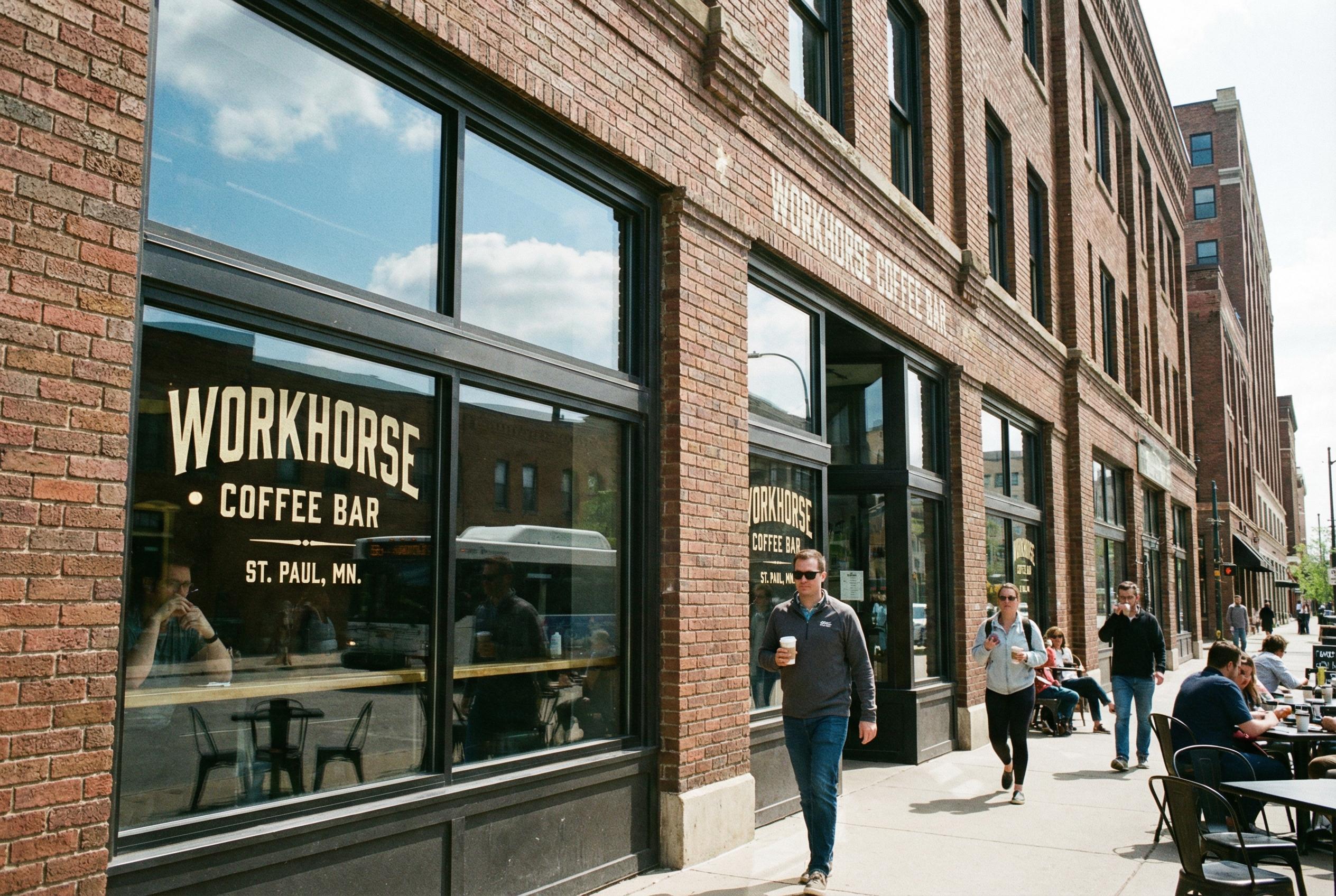
Workhorse Coffee Bar on University Avenue in Saint Paul has been open since 2015 and is run by partners Ty Barnett and Shannon Forney. Barnett’s journey from teenage barista to owner underlines a simple truth: many cafés become beacons because someone kept showing up, learning the craft and building relationships.
Workhorse is known for cold brew, in-house bakes and quiche, plus sourcing coffee from a Minneapolis roaster. Beyond the menu, the shop has hosted knitting groups, board-game nights and other gatherings, and Barnett says these gatherings create a special kind of queer community building that’s hard to replicate elsewhere.
Choosing a café like Workhorse means backing businesses where menu quality and atmosphere are equally important. If you’re looking for a safe, sober hangout for younger queer people or anyone seeking connection, a long-running place like this often offers consistent programming and a sense of history.
Why queer-owned, sober spaces still matter
Owners across both cafés mention an under-supplied need: queer-centred sober spaces. Even in cities that are generally accepting, places that cater to queer people without alcohol are rare but valuable, offering comfortable settings for teens, families and anyone avoiding drink-focused venues.
Industry observers and owners alike note that cafés naturally fill this role , they’re informal, low-cost, and easy to adapt for events. If you’re planning to open or support such a space, practical steps include partnering with local bakers, rotating maker stalls, and scheduling regular community nights to keep momentum going.
The takeaway is simple: these cafés offer visibility and safety while keeping the focus on connection, not consumption.
What to look for when you visit
When you wander into a queer-owned café, watch for a few simple signs that it’s community-minded: staff asking your name, local pastries on display, event listings by the counter, and a mix of customers who look like they belong. Word of mouth in local LGBTQ+ groups is often how people discover the best spots, so don’t be shy about asking locals for recommendations.
Supporting these businesses can be as easy as buying a pastry, attending a bingo night, or joining a craft meetup. Small gestures help maintain spaces where people can relax, belong and celebrate together.
It’s a small change that can make every coffee stop feel like a little act of community.
Source Reference Map
Story idea inspired by: [1]
Sources by paragraph: